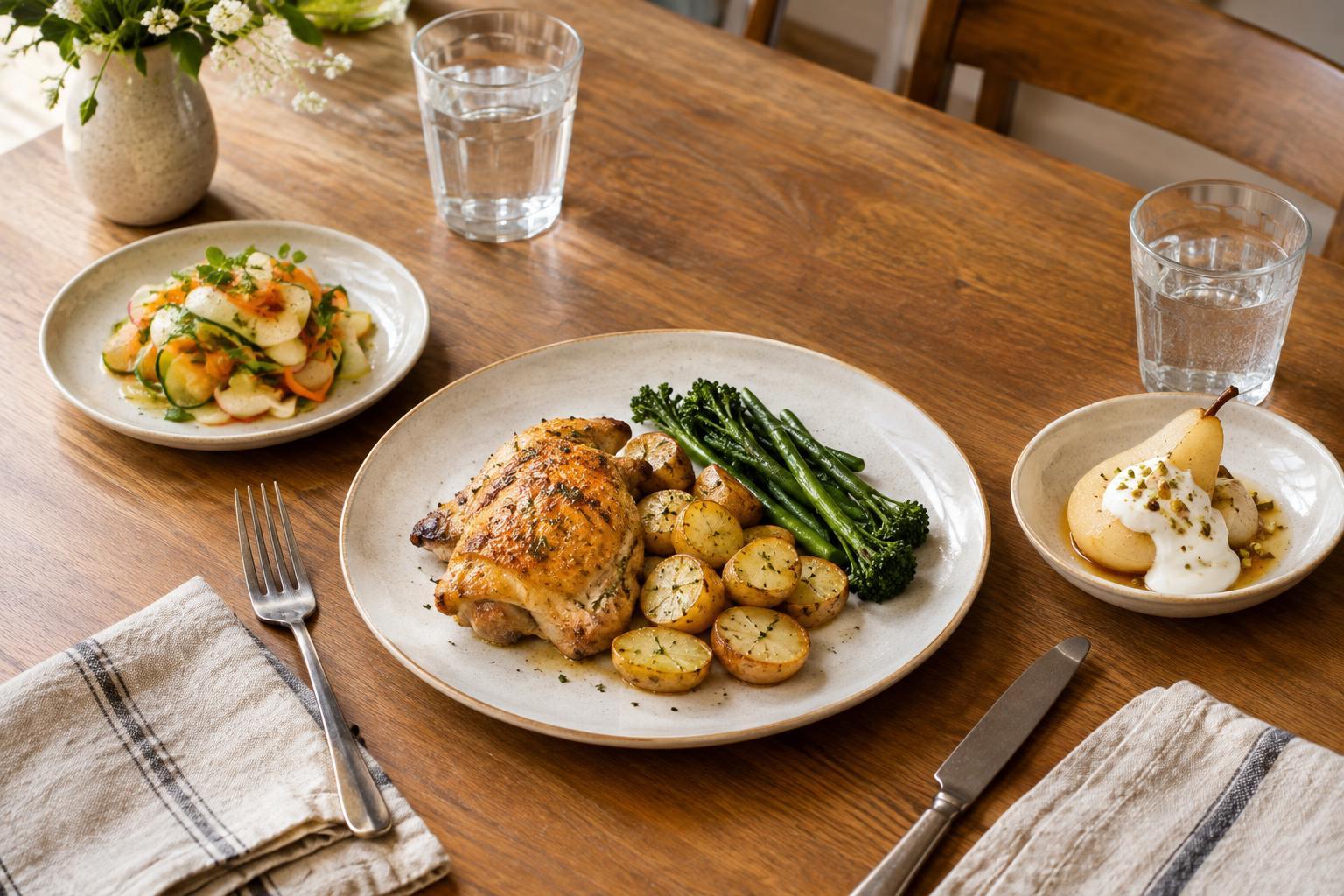
Menus and PairingsA satisfying three-course dinner is more than three good dishes served in order. Learn how to choose an opening course, a main and a dessert that work together through contrast, portion size, pacing and practical preparation.
Read article · 4 min↗
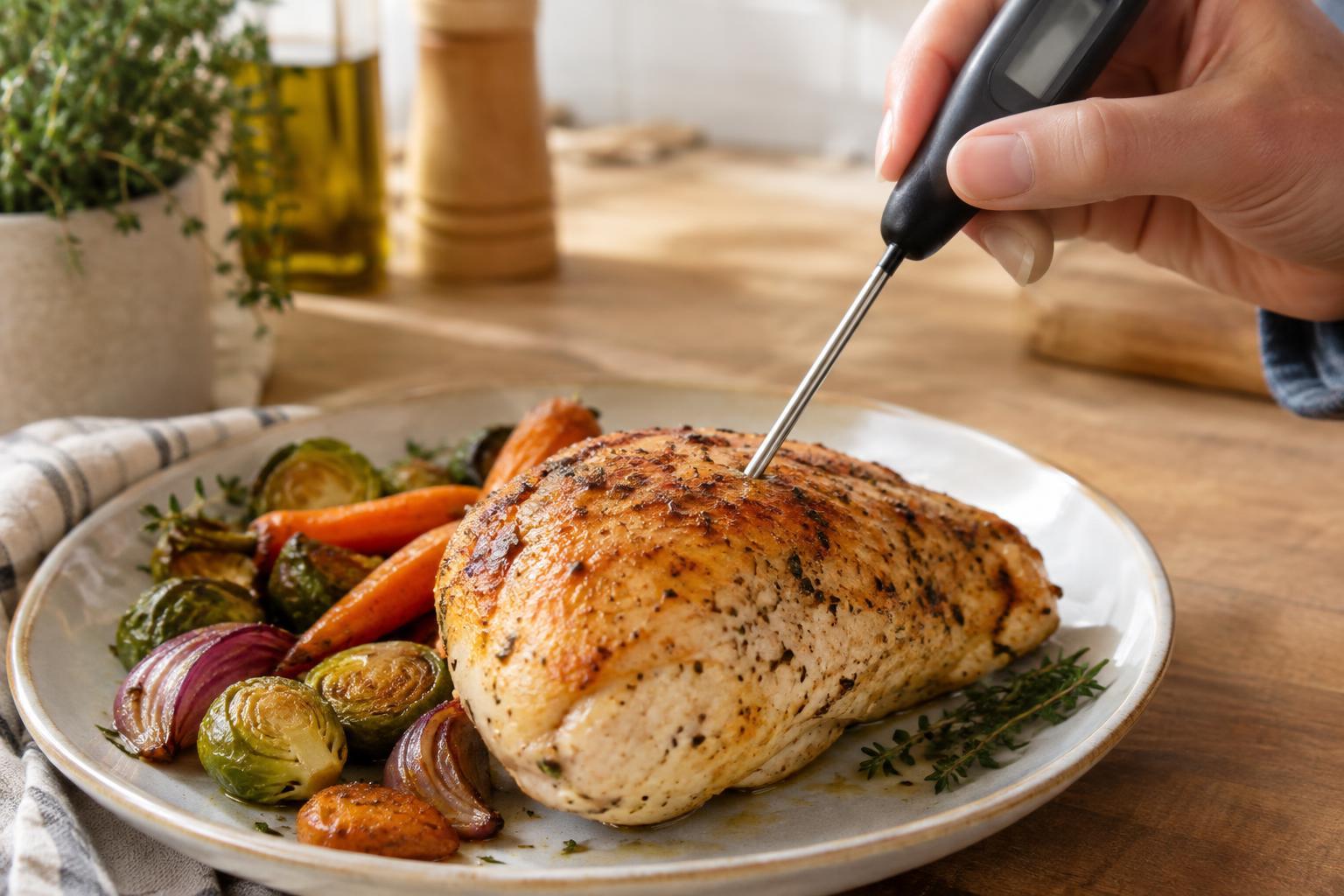
Ingredients and TechniquesA food thermometer takes some of the guesswork out of cooking. Learn where to place the probe, when to start checking, and how to account for carryover heat so food is cooked appropriately without spending longer on the heat than it needs to.
Read article · 4 min↗
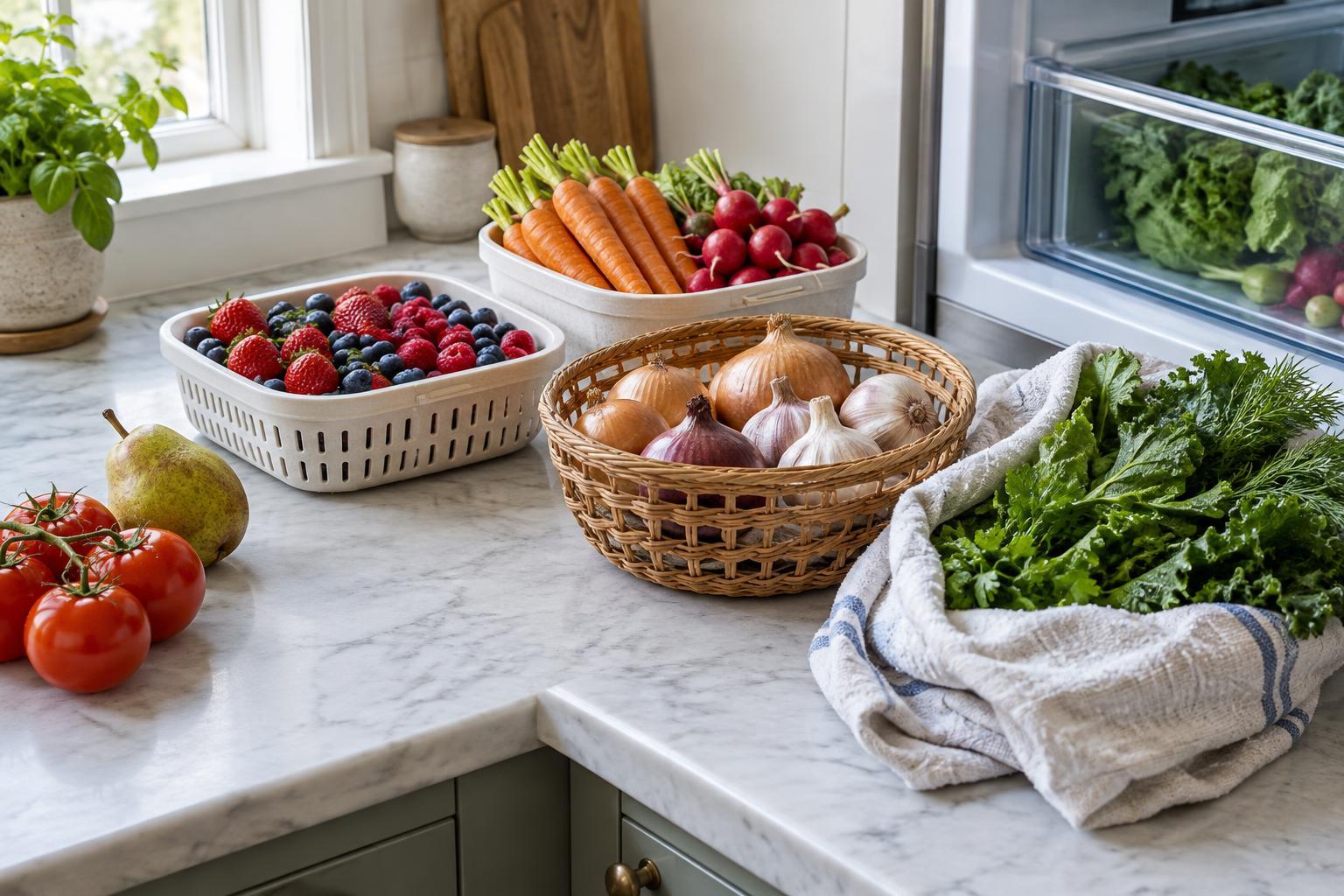
Ingredients and TechniquesFresh produce does not all belong in the same drawer. Learn how to use temperature, humidity and airflow to keep greens, herbs, berries, roots and ripening fruit in better condition at home.
Read article · 4 min↗
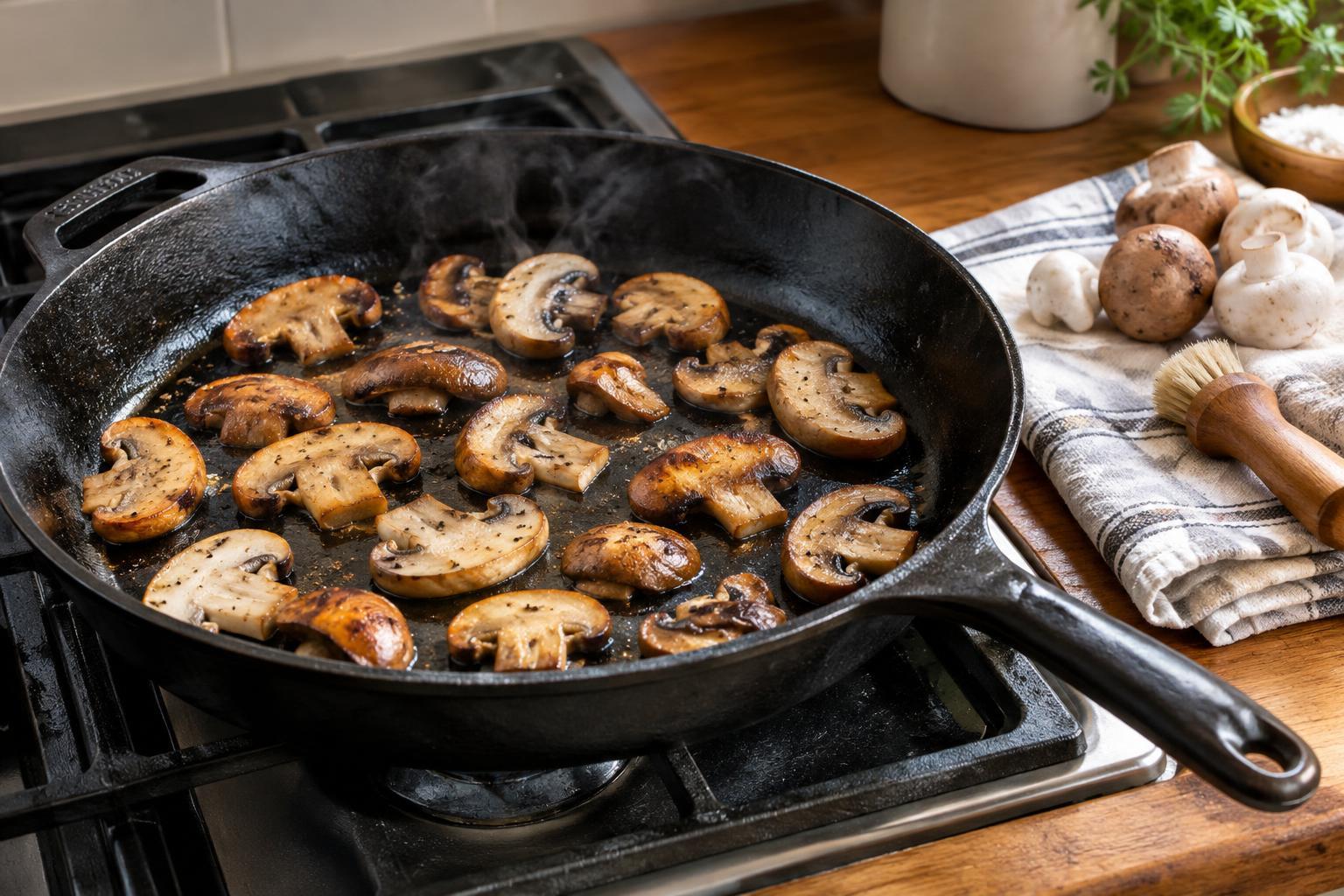
Ingredients and TechniquesMushrooms do not need to be perfectly dry before they reach the pan, but excess water and a crowded skillet can get in the way of browning. Here is a practical approach to cleaning, drying and cooking common cultivated mushrooms.
Read article · 4 min↗
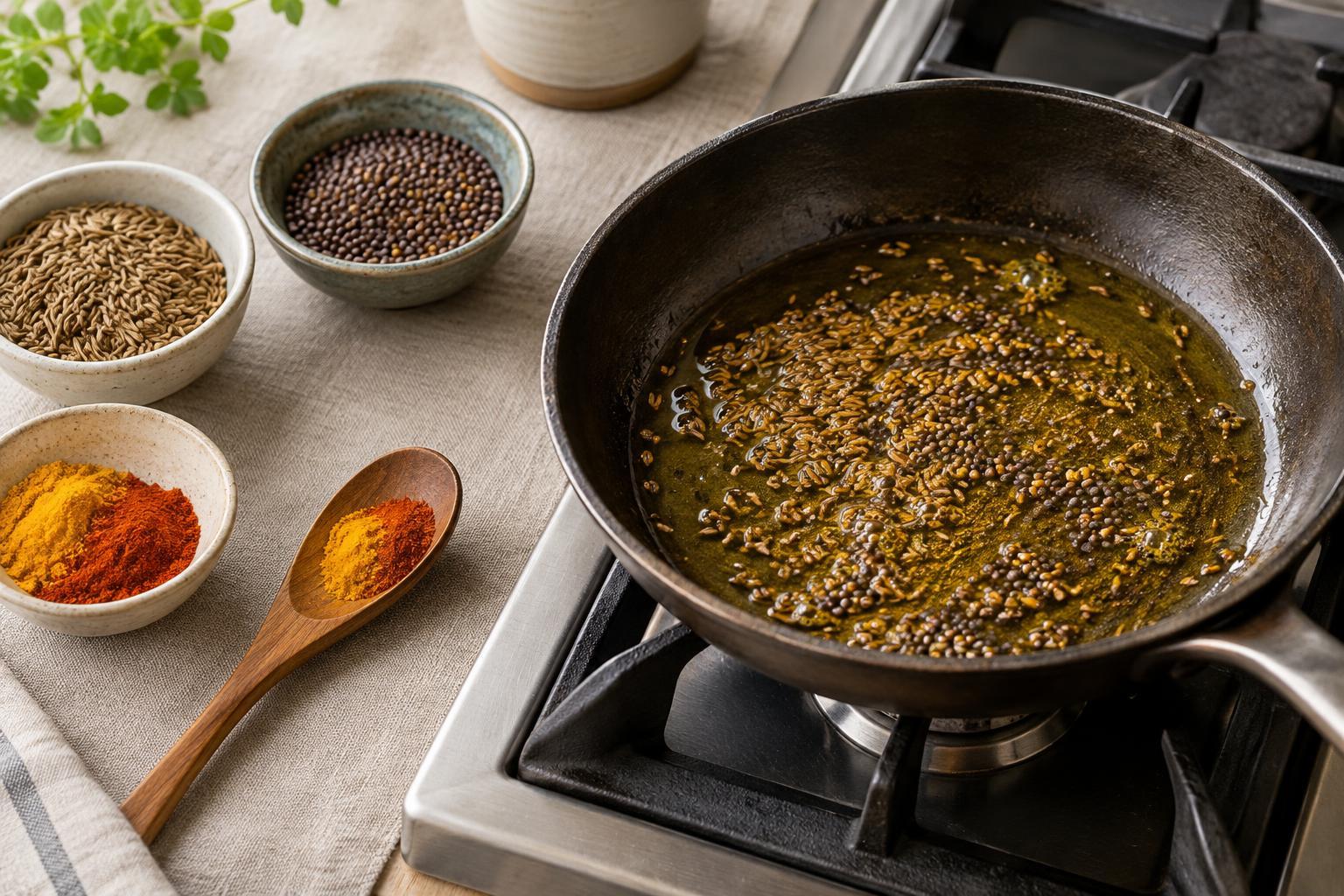
Ingredients and TechniquesBlooming spices in warm fat can bring their aroma into a dish, but whole seeds and ground powders need different treatment. Learn how to choose the heat, watch for useful cues, and recover when a pan gets too hot.
Read article · 4 min↗
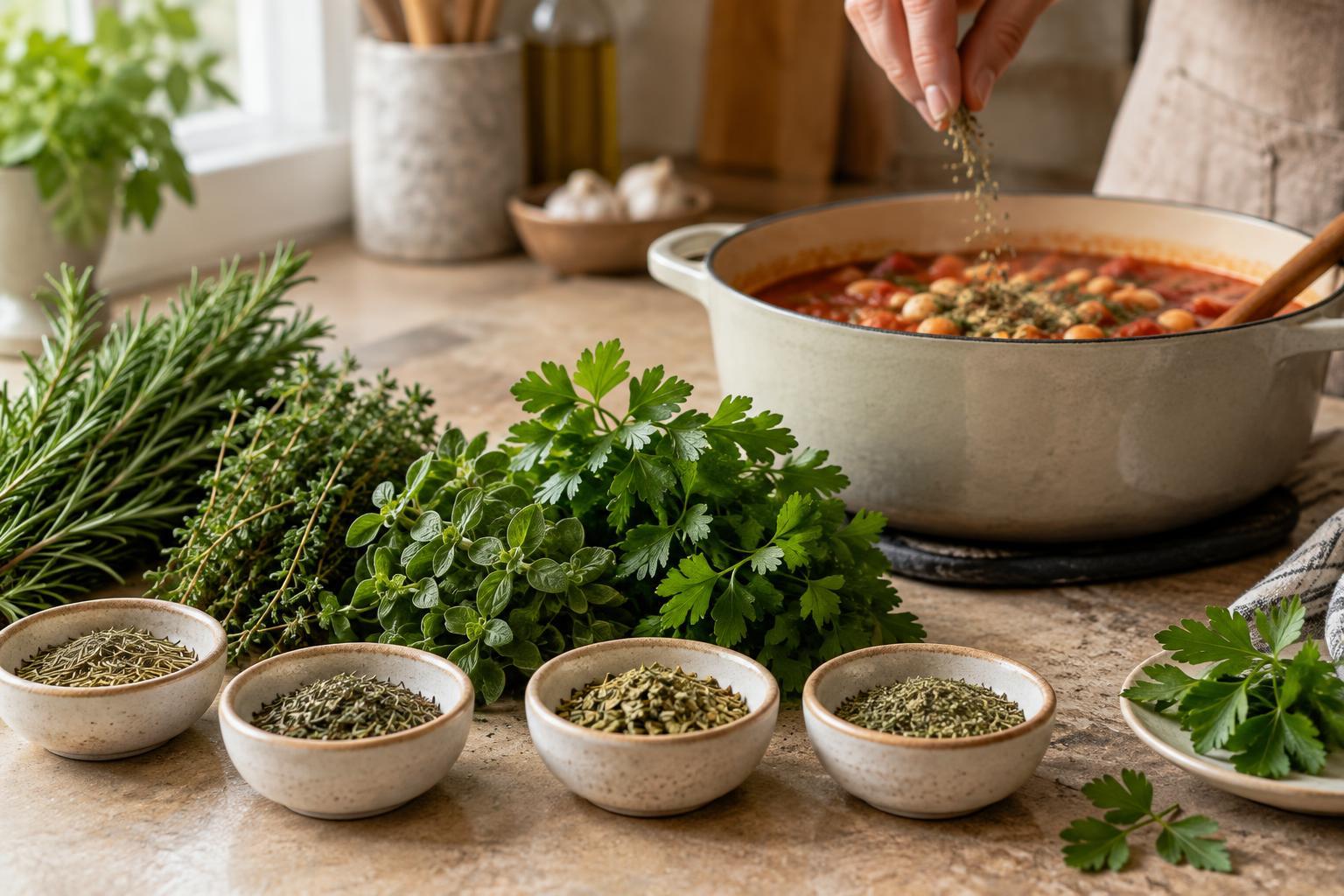
Ingredients and TechniquesFresh and dried herbs can come from the same plant, yet bring different flavors to a dish. Learn when to add each, how to substitute one for the other, and which herbs are worth keeping fresh.
Read article · 4 min↗
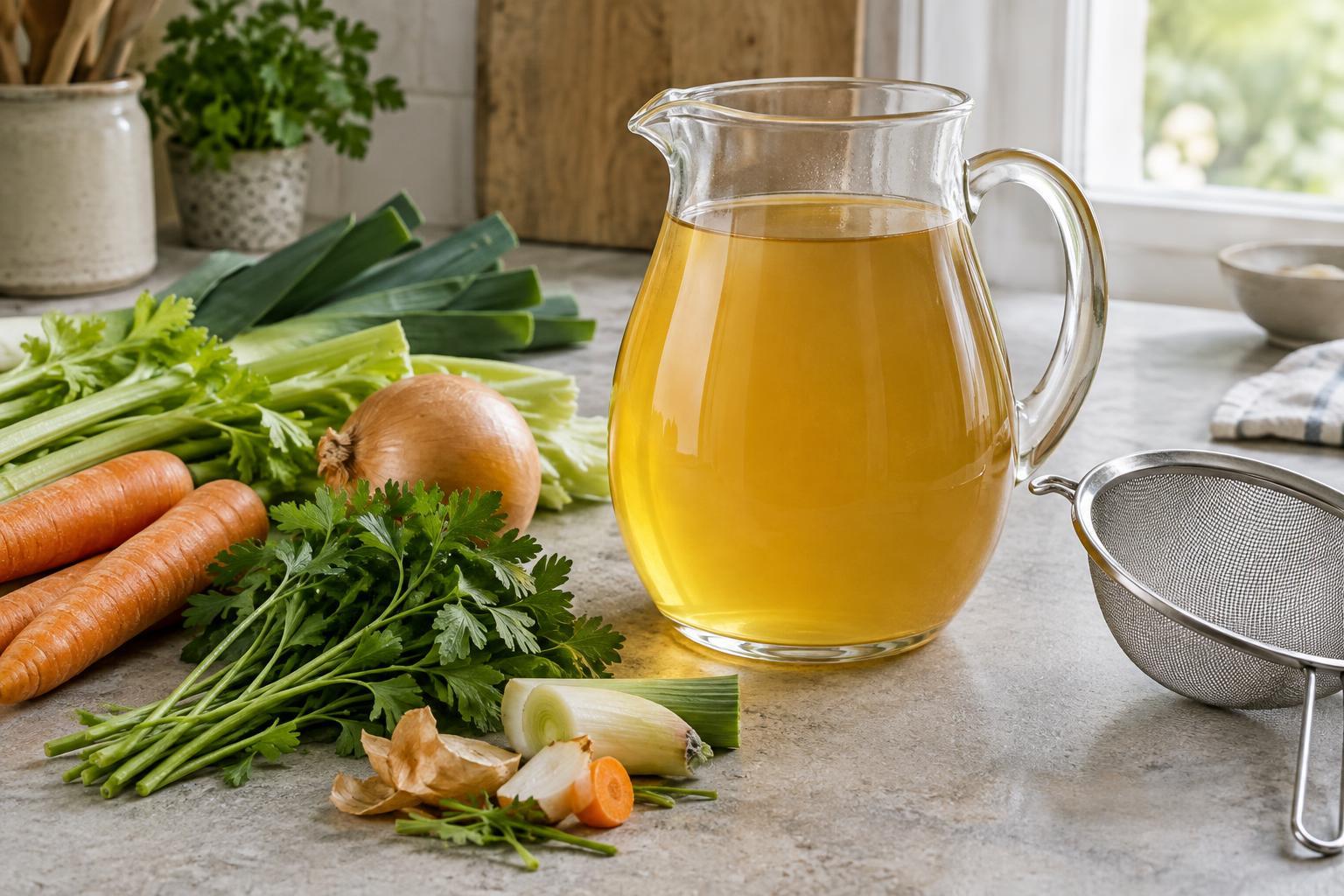
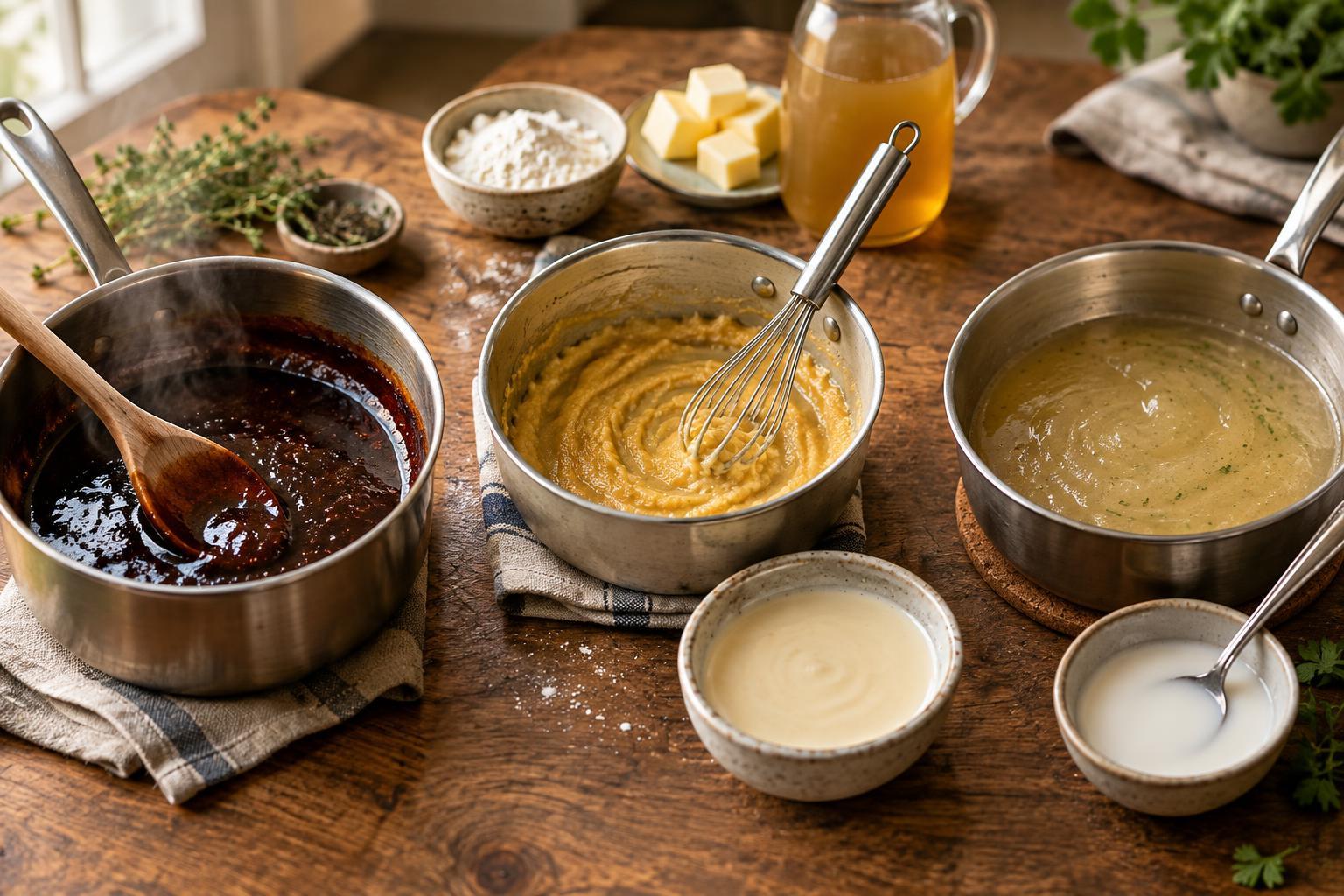
Ingredients and TechniquesA sauce can gain body by losing water, absorbing liquid into a cooked flour base, or setting with a starch slurry. Learn what each method does best, how to avoid lumps and over-thickening, and how to adjust the finished sauce.
Read article · 4 min↗
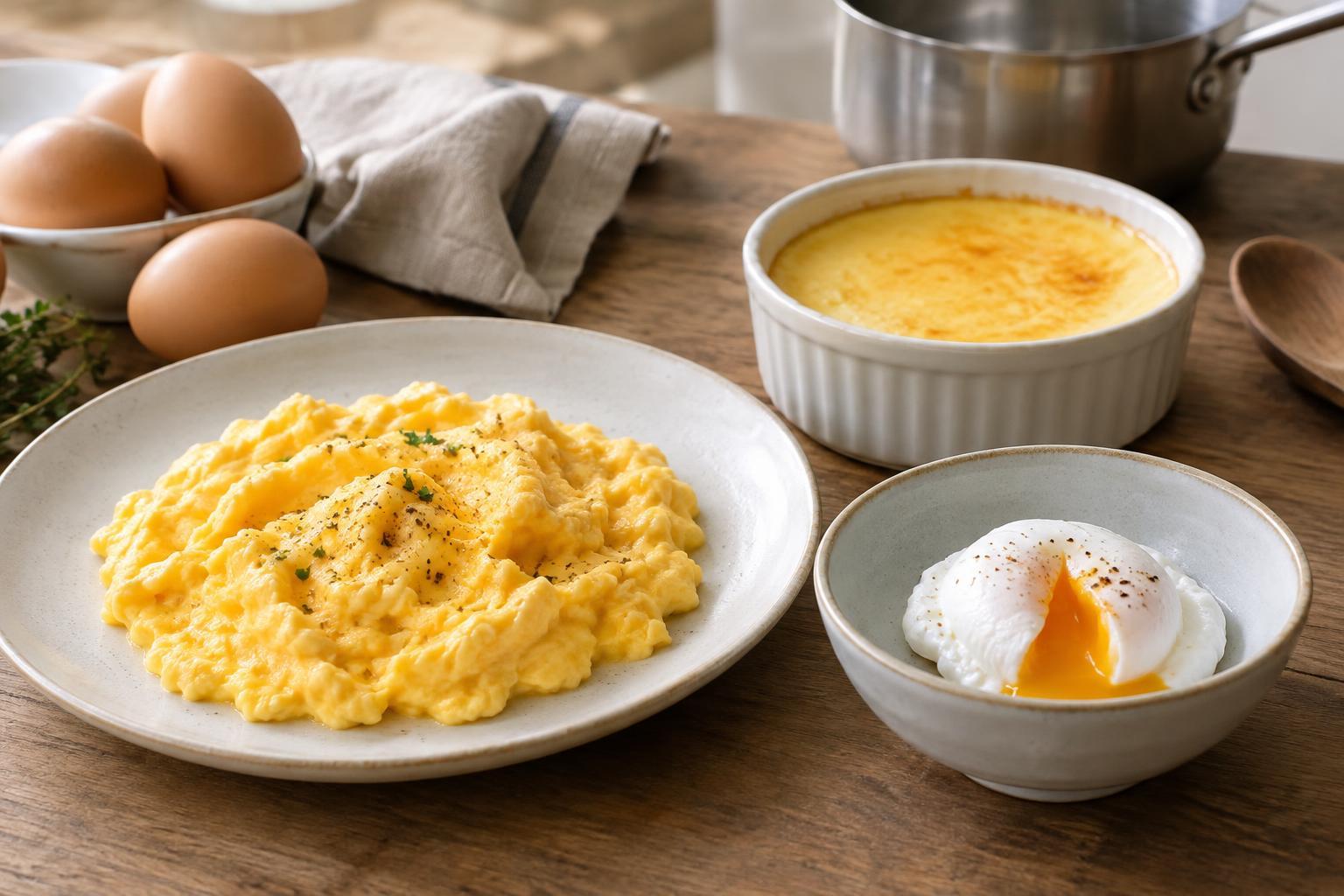
Ingredients and TechniquesEggs can turn from tender to rubbery quickly. Learn how gentle heat, carryover cooking and a few useful temperature ranges help you make soft scrambles, neatly poached eggs and smooth custards.
Read article · 4 min↗
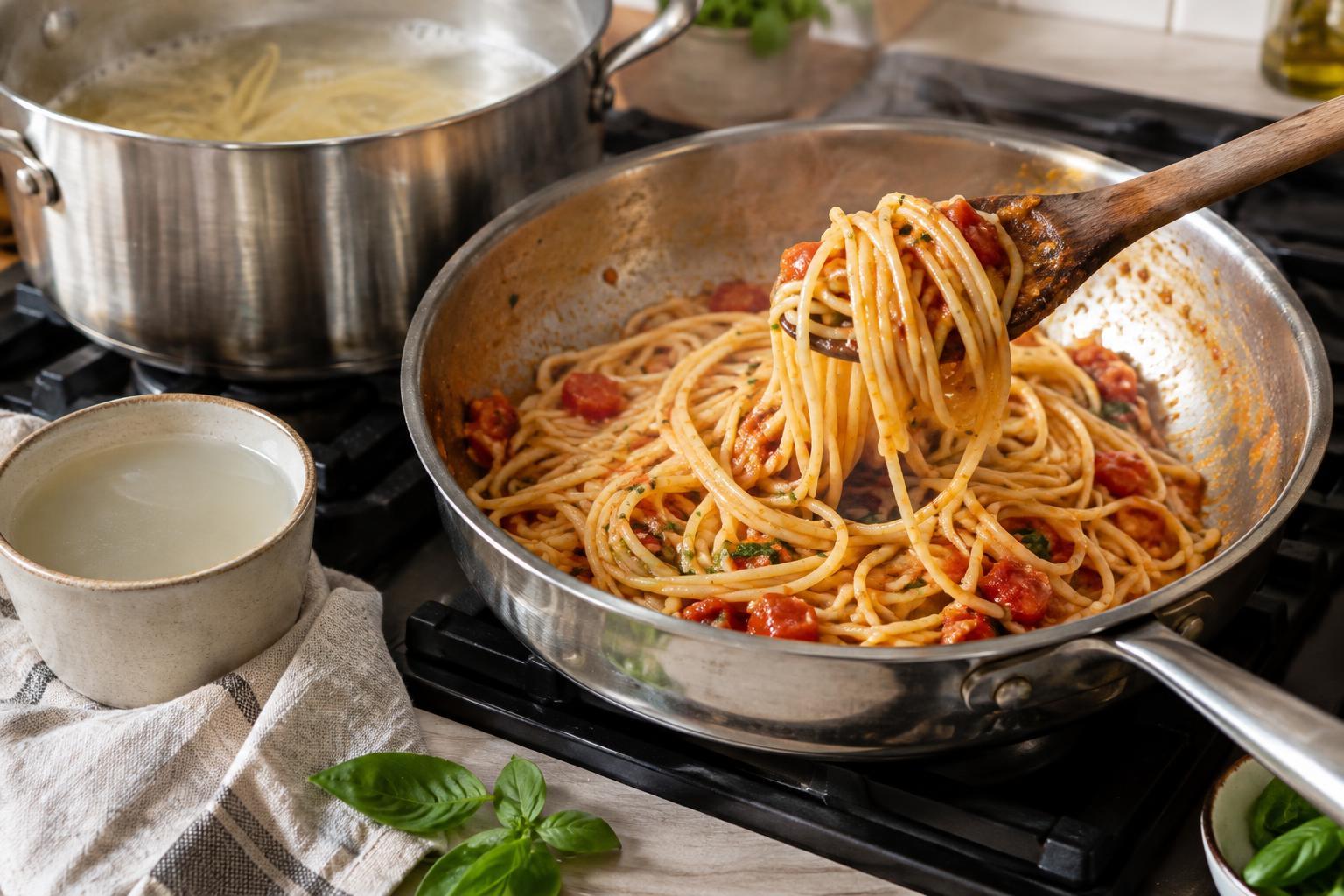
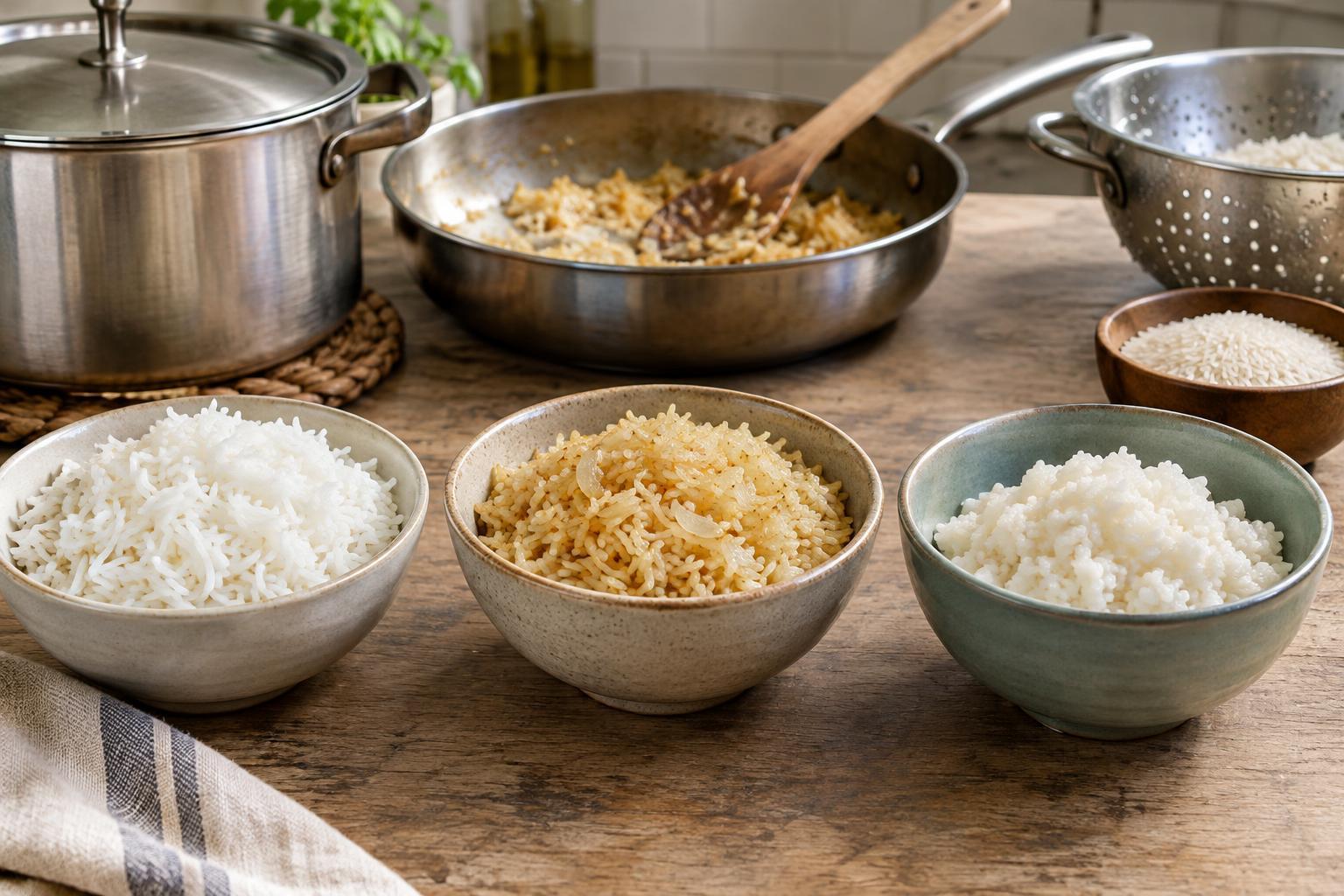
Ingredients and TechniquesRice can be cooked by absorbing a measured amount of water, toasting before simmering, or boiling in plenty of water. Learn how each method works, what texture to expect, and how to choose one for dinner.
Read article · 4 min↗
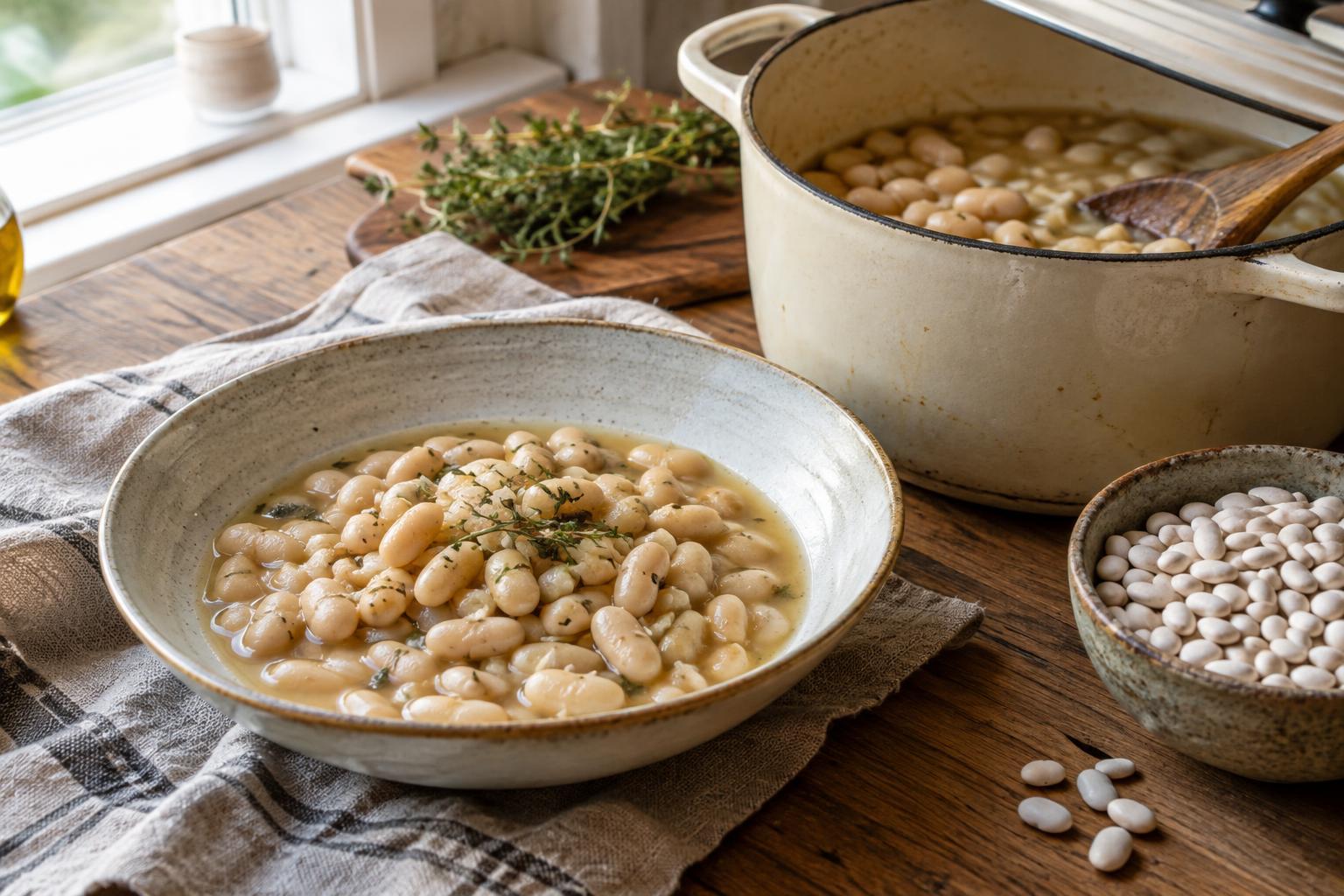
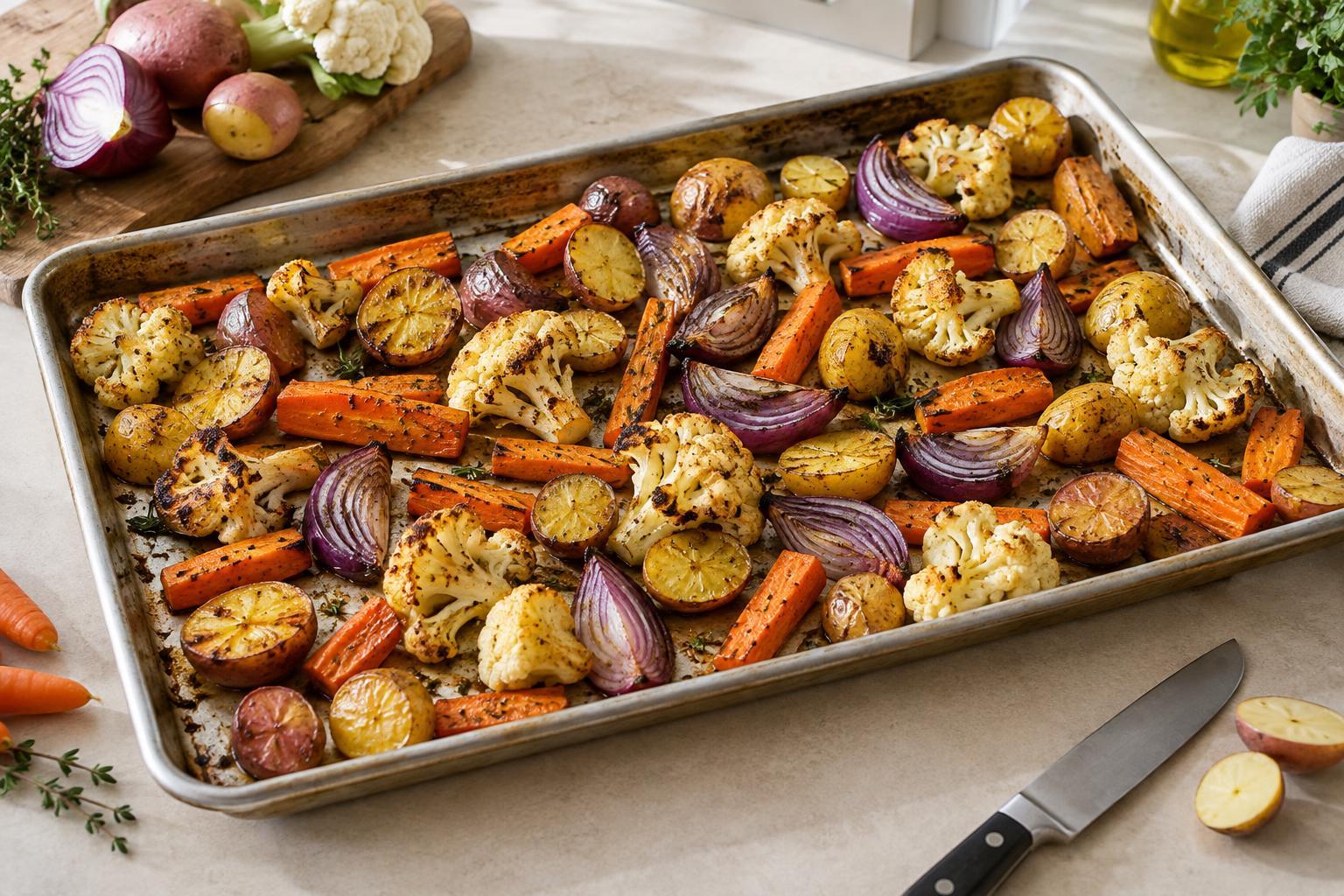
Ingredients and TechniquesUnevenly roasted vegetables usually come down to a few practical details: how they are cut, how much room they have on the pan and how the oven is set. Learn how to make those choices work together for tender centers and browned edges.
Read article · 4 min↗
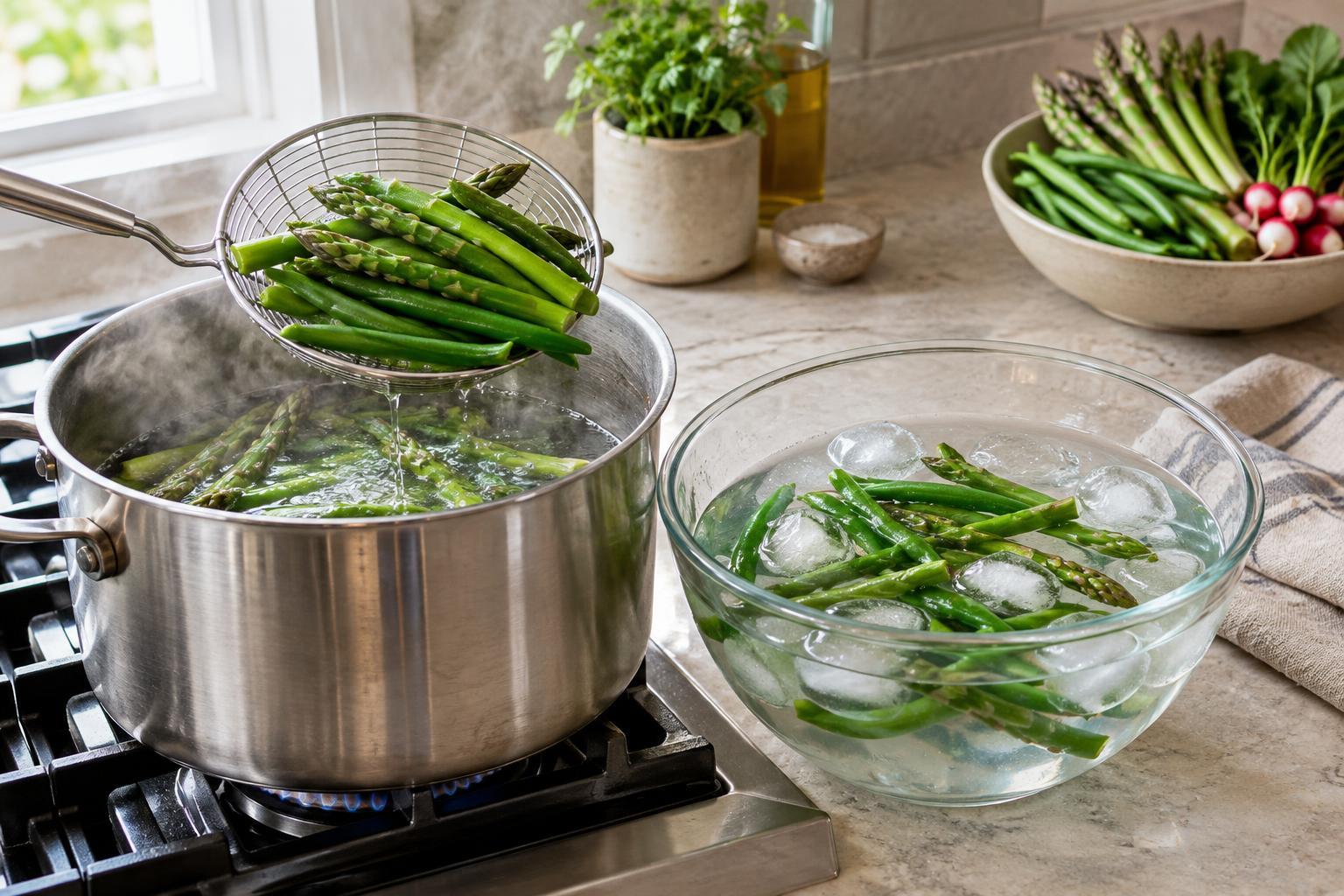
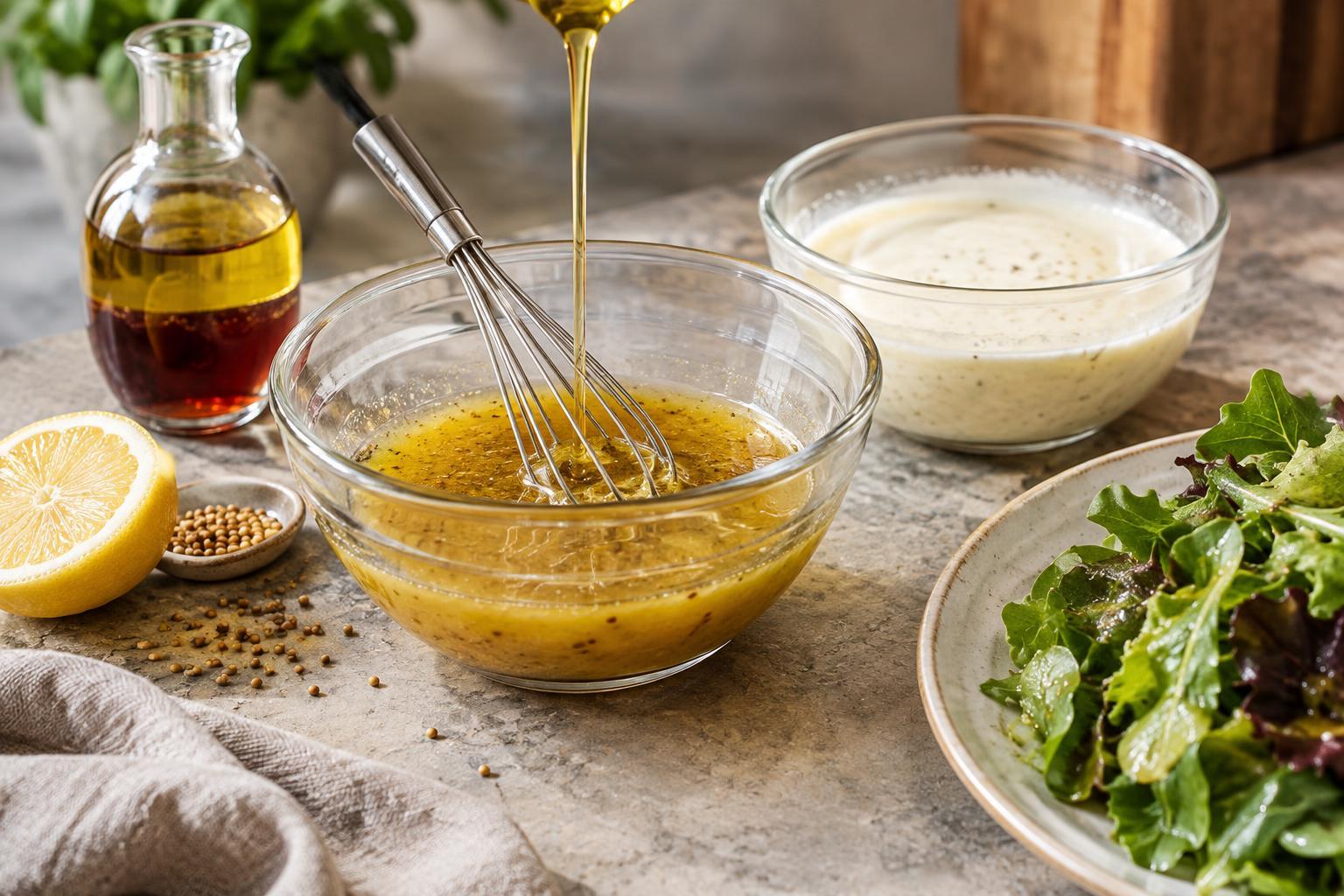
Ingredients and TechniquesOil and vinegar separate for a reason, but a good dressing can bring them together long enough to coat every leaf. Learn what mixing, emulsifiers and ingredient order do—and how to fix a dressing that splits.
Read article · 4 min↗
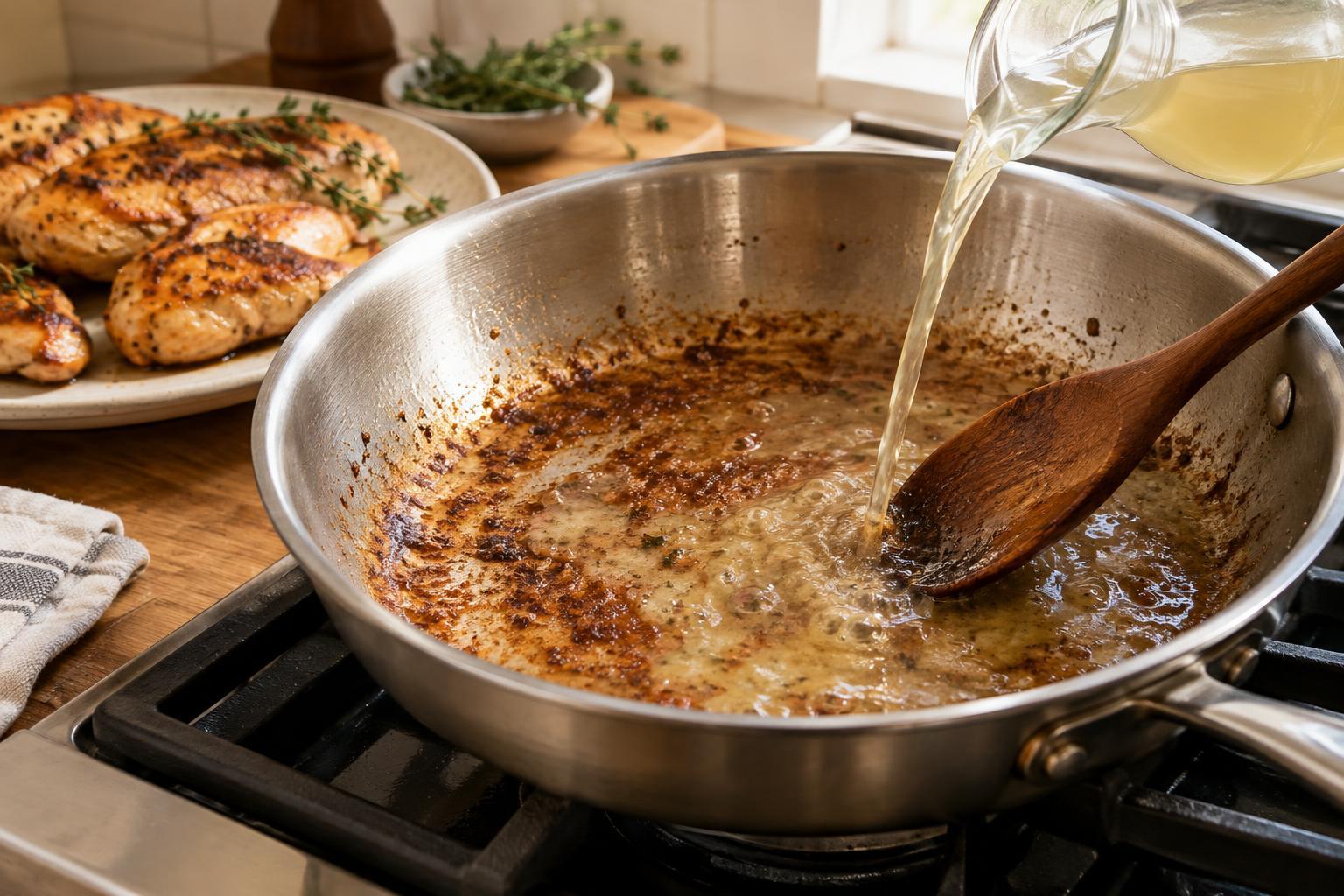
Ingredients and TechniquesThe browned bits left after cooking can become the foundation of a quick pan sauce. Learn when to add liquid, how to scrape up the flavorful residue, and how to finish a sauce that suits the food you’ve cooked.
Read article · 4 min↗
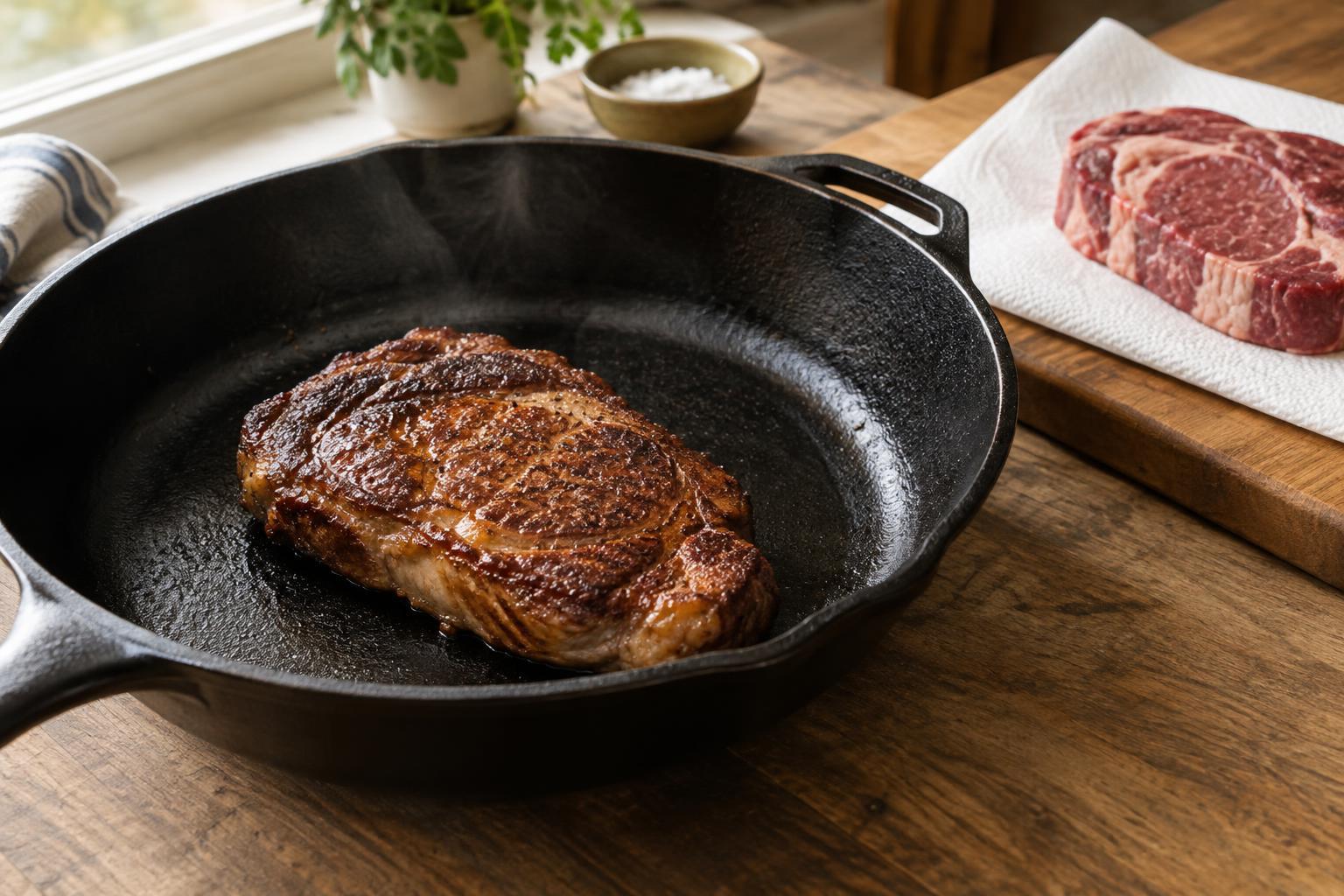
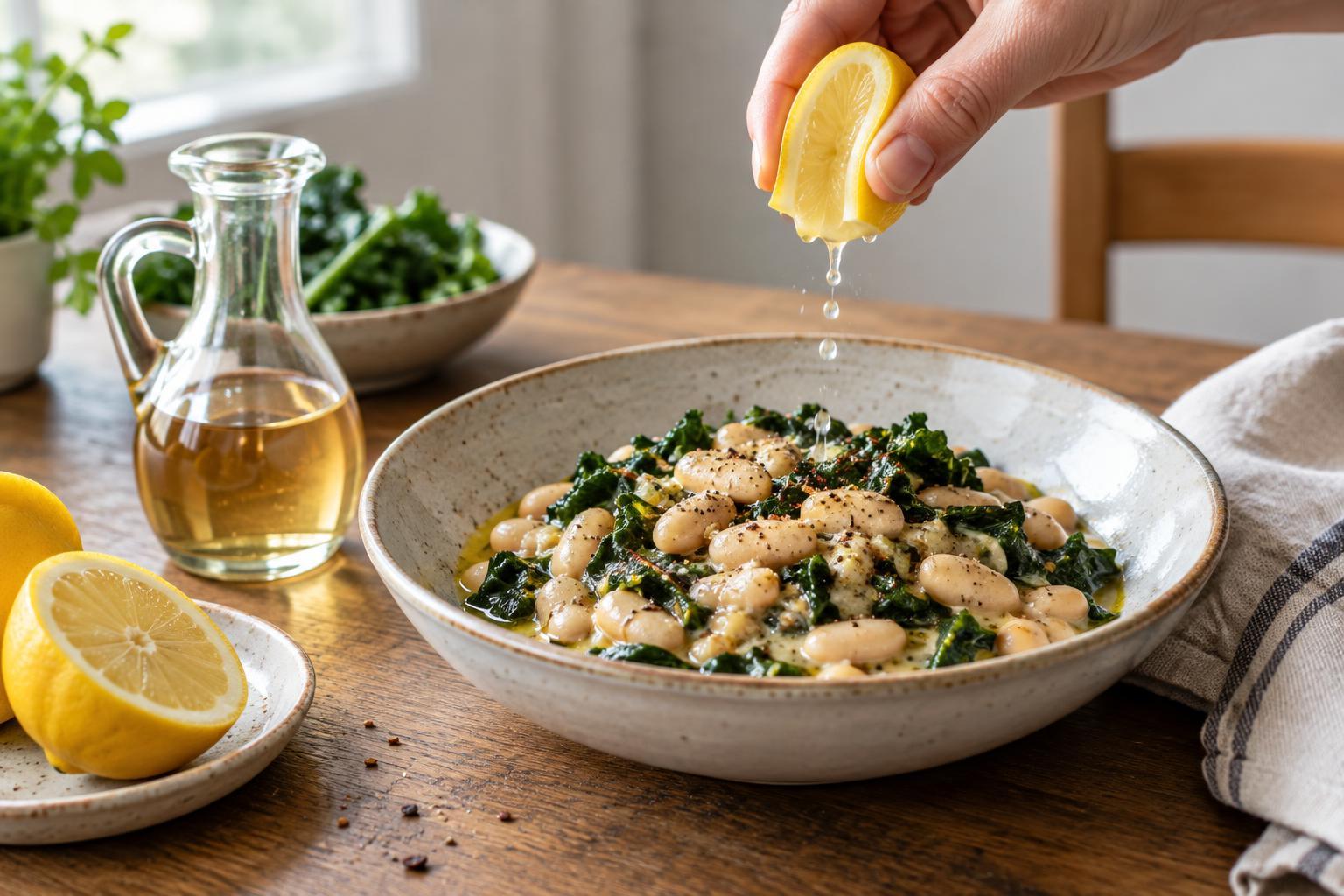
Ingredients and TechniquesA squeeze of lemon or a splash of vinegar can make a dish feel brighter, but the best results come from knowing what the dish needs. Learn how to choose an acid, add it gradually, and correct a plate that has gone too sharp.
Read article · 4 min↗
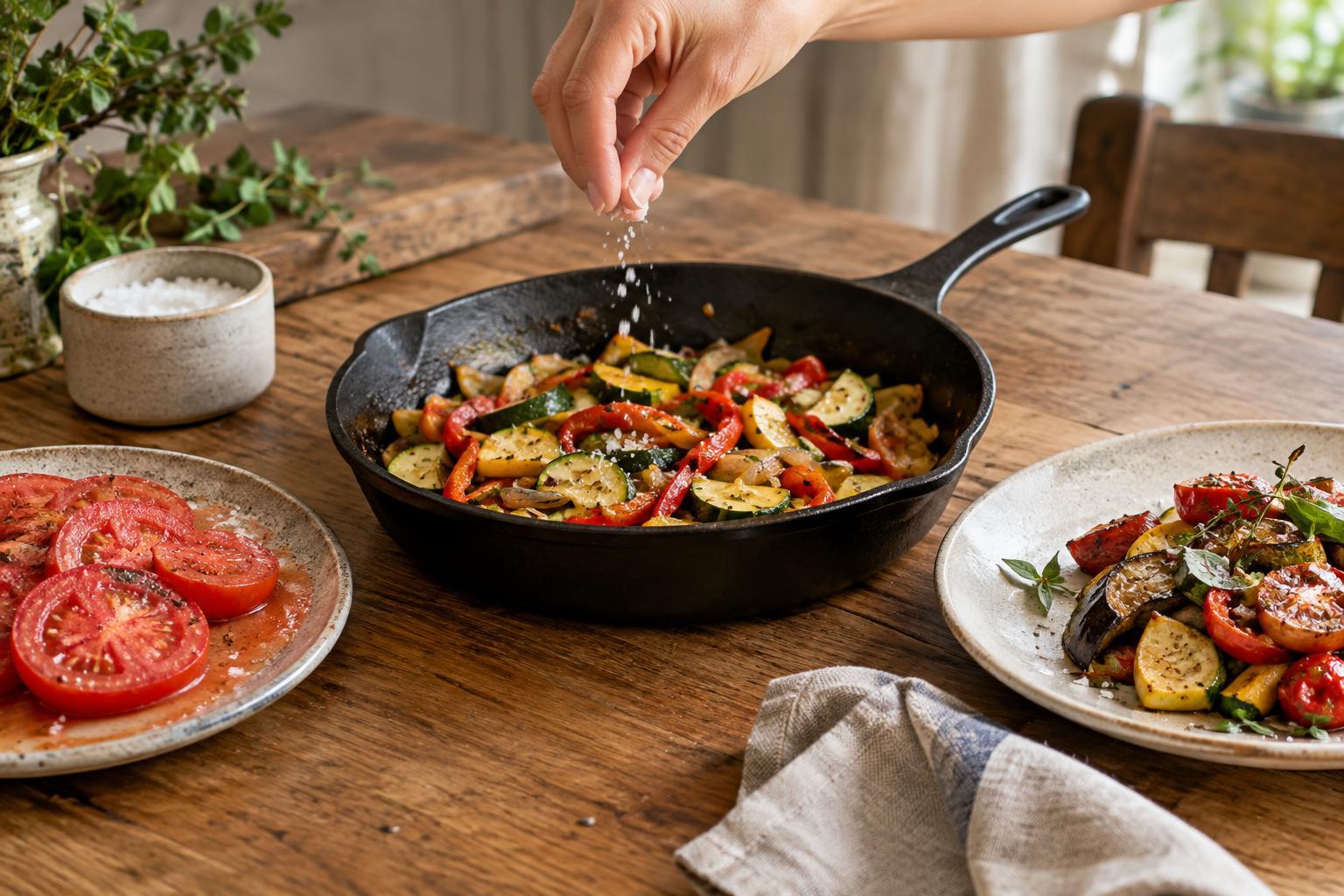
Ingredients and TechniquesSalt does more than make food taste salty. Timing affects how evenly it spreads, how ingredients release moisture and how a dish tastes at the table. Here is a practical guide to seasoning before, during and after cooking.
Read article · 4 min↗
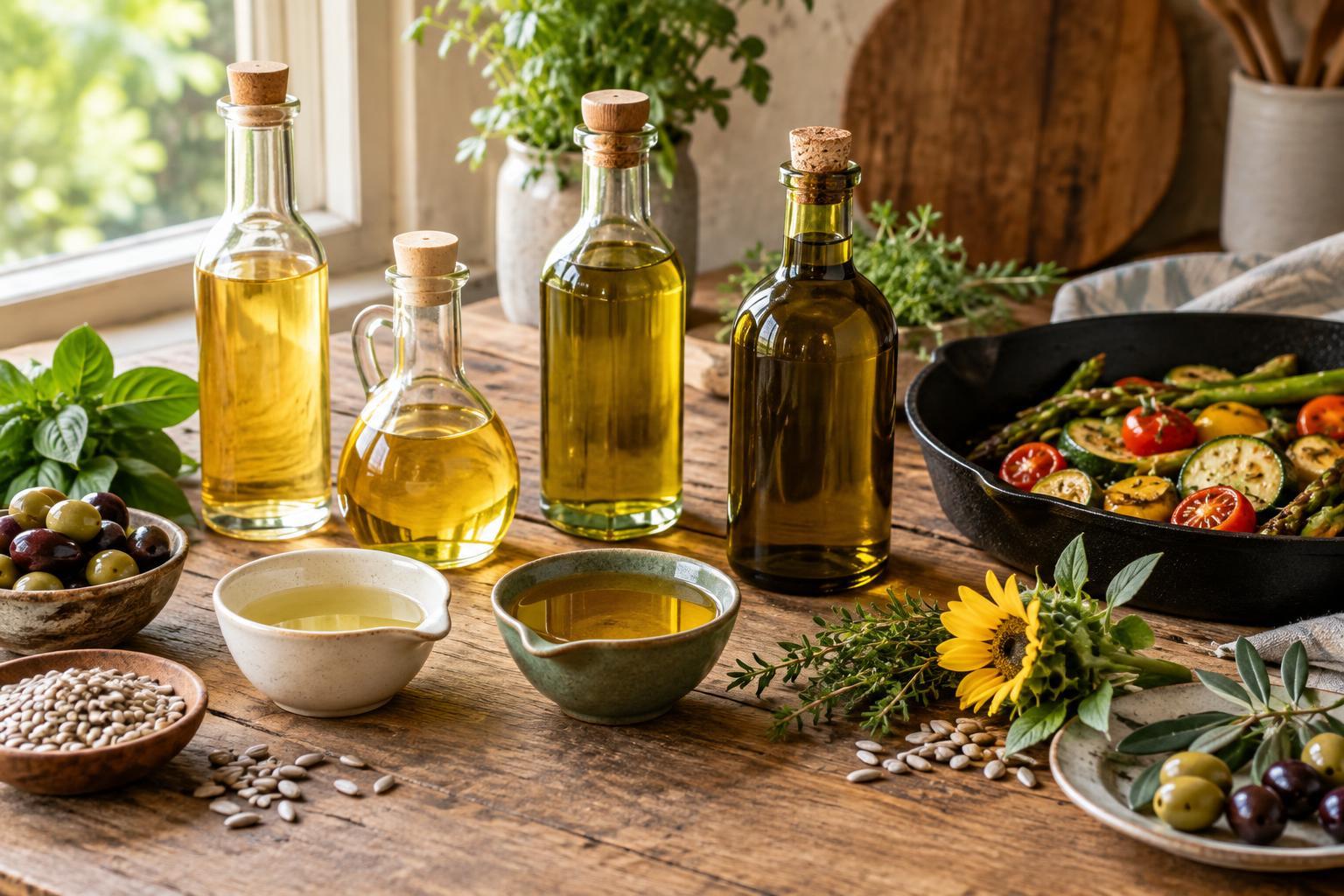
Ingredients and TechniquesThe right cooking oil depends on more than its smoke point. Learn how flavor, refinement and cooking method can guide your choice, from gentle sautéing to high-heat searing and finishing a dish.
Read article · 4 min↗