Start with the dish, not the bottle
Cooking oil has two jobs: it helps transfer heat to food, and it can contribute flavor. Before reaching for a bottle, ask how the food will be cooked and whether you want the oil to be noticed. A delicate salad dressing may benefit from an oil with a distinct taste. A stir-fry with strongly flavored ingredients may call for an oil that stays in the background.
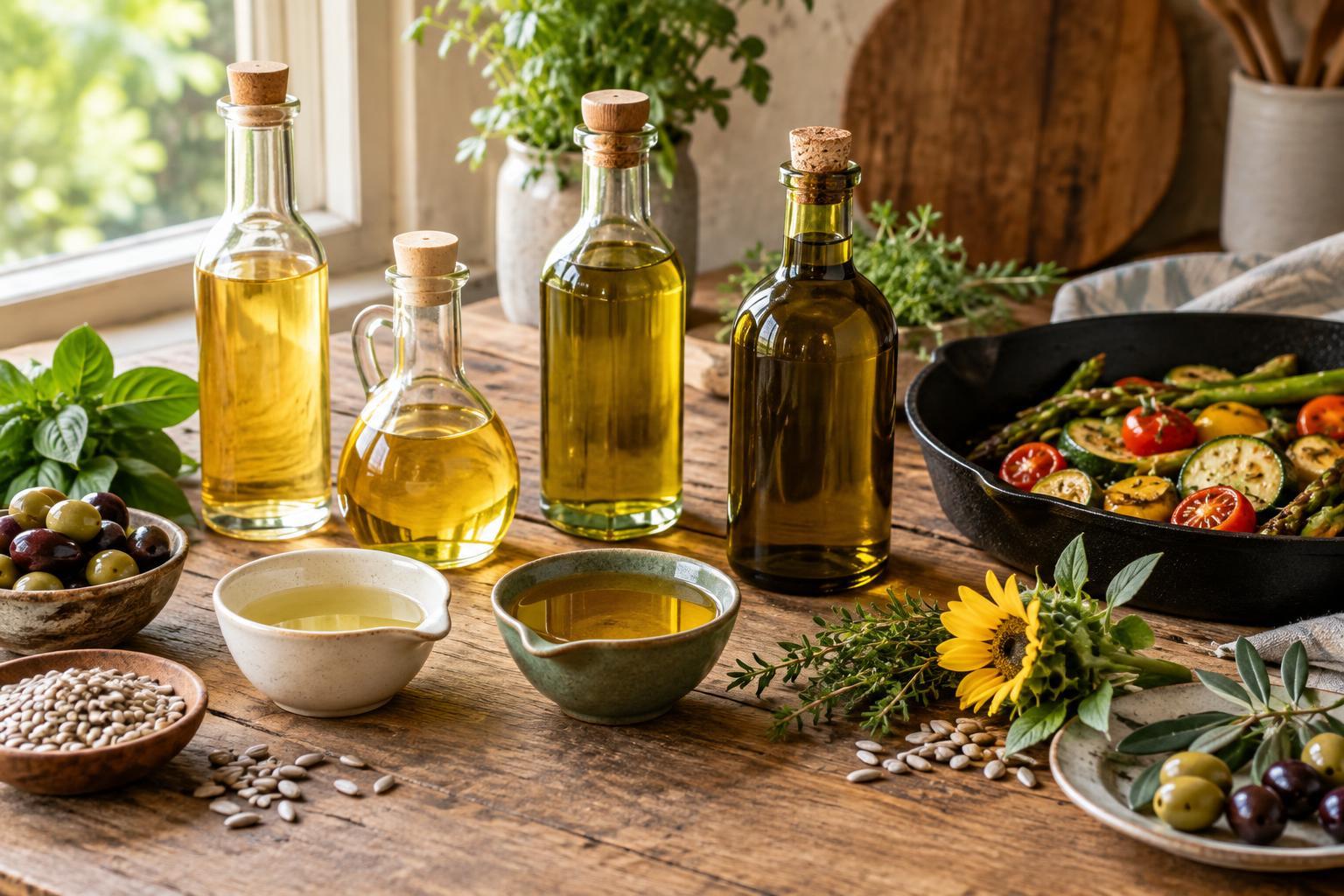
It helps to think in three broad groups. Neutral oils have little noticeable flavor and are flexible for everyday cooking. Characterful oils, such as extra-virgin olive oil, can become part of the dish’s identity. Finishing oils are used in small amounts after cooking, where their aroma is easier to appreciate. These are practical roles rather than strict rules: one oil may serve more than one purpose.
Understand what heat tolerance means
An oil’s smoke point is the temperature at which it begins to smoke noticeably. It offers a useful warning, but it is not a complete guide to cooking quality. Smoke points can vary with refinement, freshness and the particular bottle. The temperature in a pan can also change quickly, especially when it is left empty over high heat.
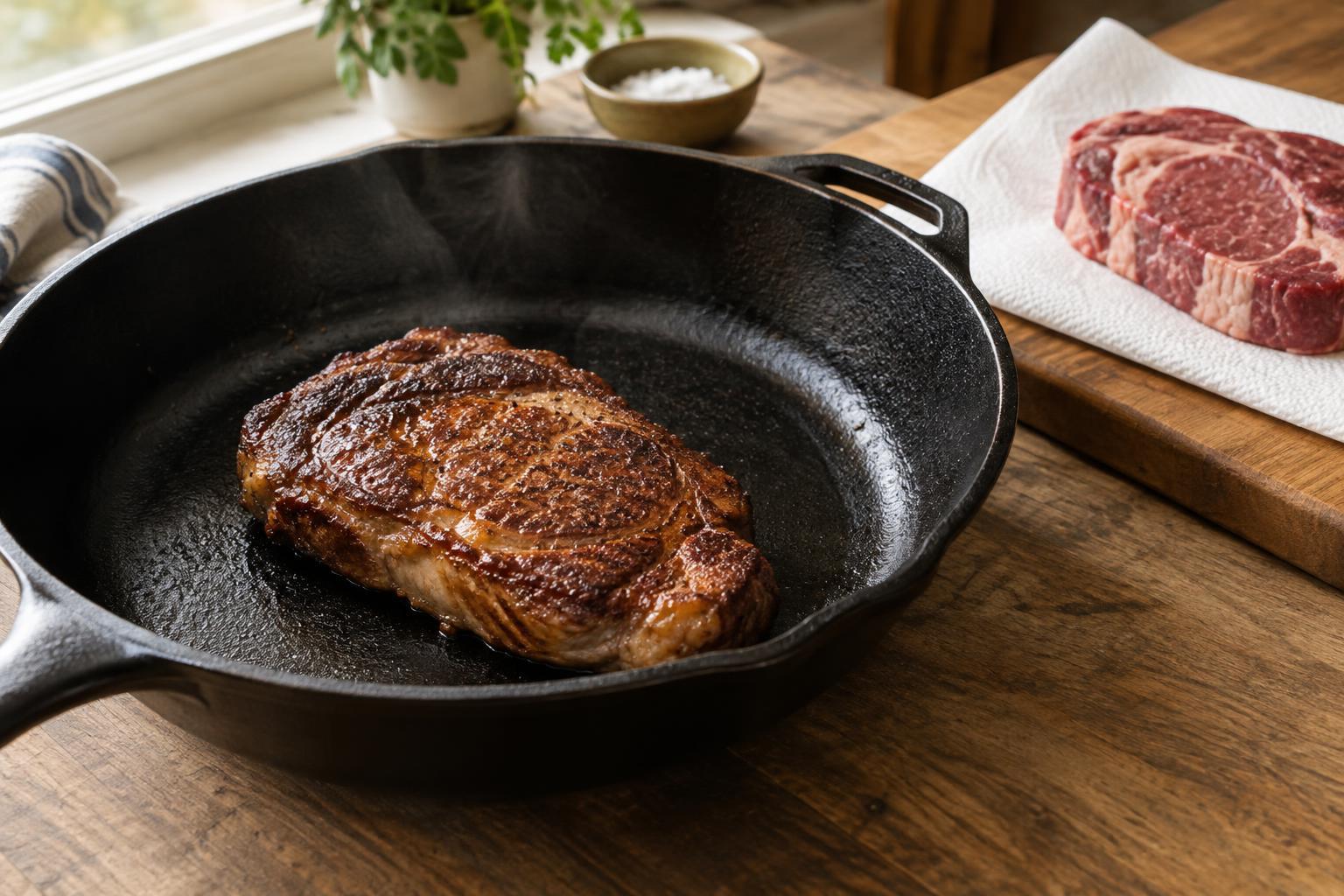
For gentle sautéing, eggs or vegetables cooked over moderate heat, many oils will work. Extra-virgin olive oil is a reasonable choice when you enjoy its flavor and keep the heat controlled. For sustained high heat, such as searing or a hot stir-fry, a refined oil with a mild flavor is often simpler to manage. If oil smokes steadily, lower the heat, move the pan off the burner or start again if the oil smells burnt. The goal is to cook the food well, not to test the oil’s limit.
Match flavor to the cooking method
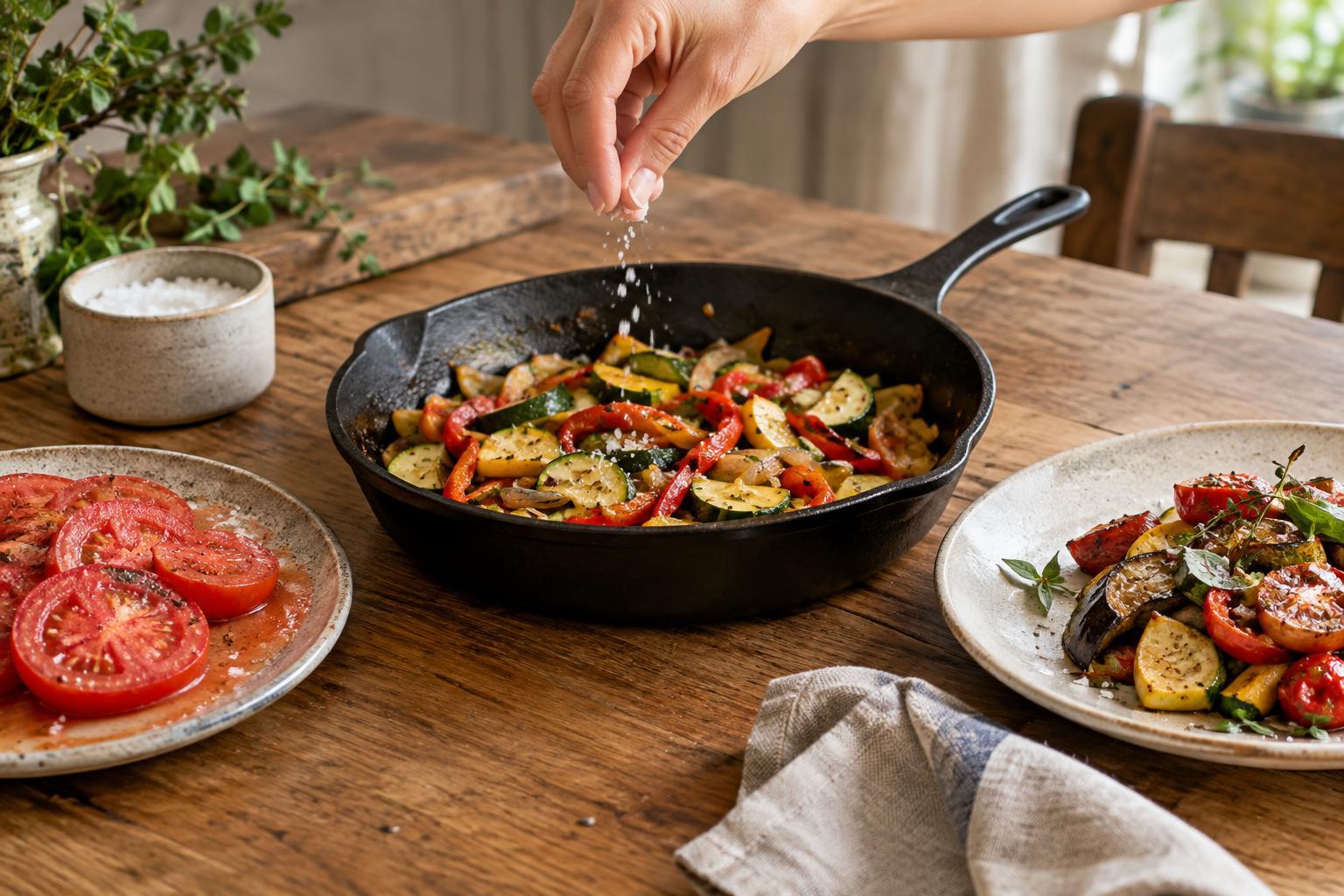
For roasting, consider both oven temperature and the flavor you want on the finished food. A mild refined oil lets spices, herbs and vegetables take the lead. Olive oil brings a more pronounced taste that can suit potatoes, tomatoes and many other savory ingredients. Use enough to coat food lightly rather than leaving a pool on the tray; excess oil does not guarantee better browning.
In dressings and sauces that are not heated, flavor matters more than heat tolerance. Taste an oil on its own before adding it to a large batch: some olive oils are grassy or peppery, while others are mild. Toasted sesame oil has a strong aroma and is usually most useful by the spoonful, stirred into a sauce or added near the end of cooking. Nut oils can bring a similar finishing accent, though their flavor and suitability vary by type. If cooking for guests, check for allergies before using peanut, sesame or nut oils.
Know the difference refinement makes
Refining generally produces a more neutral-tasting oil that can be convenient for hotter cooking. Less-refined oils often retain more of the ingredient’s characteristic flavor, making them appealing when that taste is part of the plan. Neither label tells you everything about how an oil will perform. Packaging, storage and the oil’s age also affect what reaches the plate.
A small, purposeful selection is often more useful than a shelf full of bottles. You might keep one mild oil for flexible cooking, one olive oil you enjoy for sautéing and dressings, and one strongly flavored oil for finishing. Choose sizes you can use while they still taste fresh. Store bottles tightly closed, away from heat and direct light, and smell or taste an oil if it has been sitting for a while. A stale, paint-like or otherwise unpleasant flavor is a sign to replace it.
Use a quick decision routine
When choosing an oil, first decide whether its flavor should stand out. If not, reach for a neutral option. Next, consider the heat: moderate cooking gives you a wide range of choices, while prolonged high heat favors an oil suited to that task and close attention to the pan. Finally, decide whether the dish would gain more from a flavorful drizzle after cooking than from cooking in that oil.
For example, you might sear mushrooms in a mild oil and finish them with olive oil, or roast carrots with olive oil and add a few drops of toasted sesame oil only after they leave the oven. There is rarely one correct bottle for a recipe. Matching the oil to the method and the flavor you want is a more dependable habit than choosing by a single number on a chart.