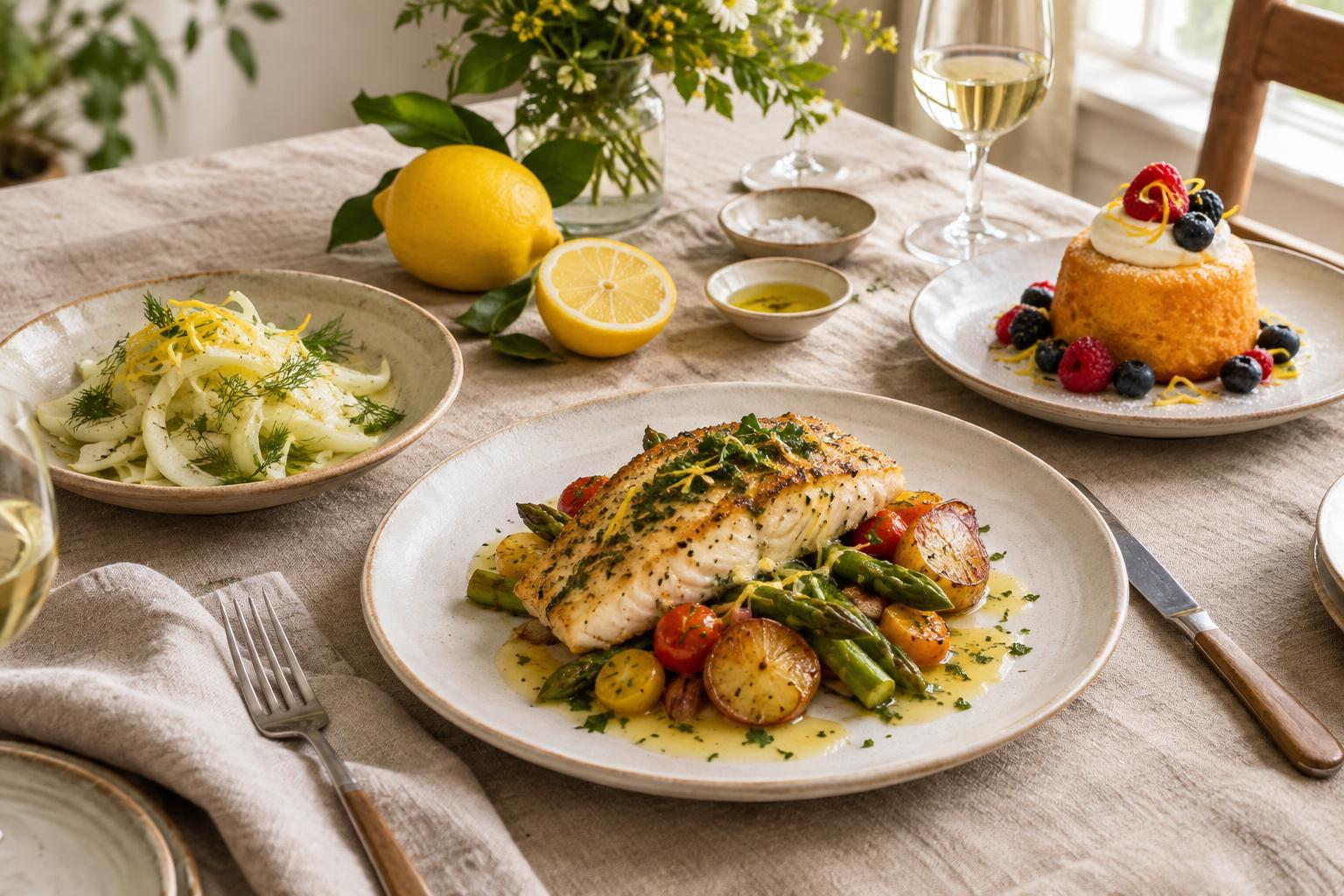
Menus and PairingsA shared ingredient can give a dinner menu a sense of connection without making every course taste alike. Here is how to choose one, vary its role, and keep the meal interesting from start to finish.
Read article · 3 min↗
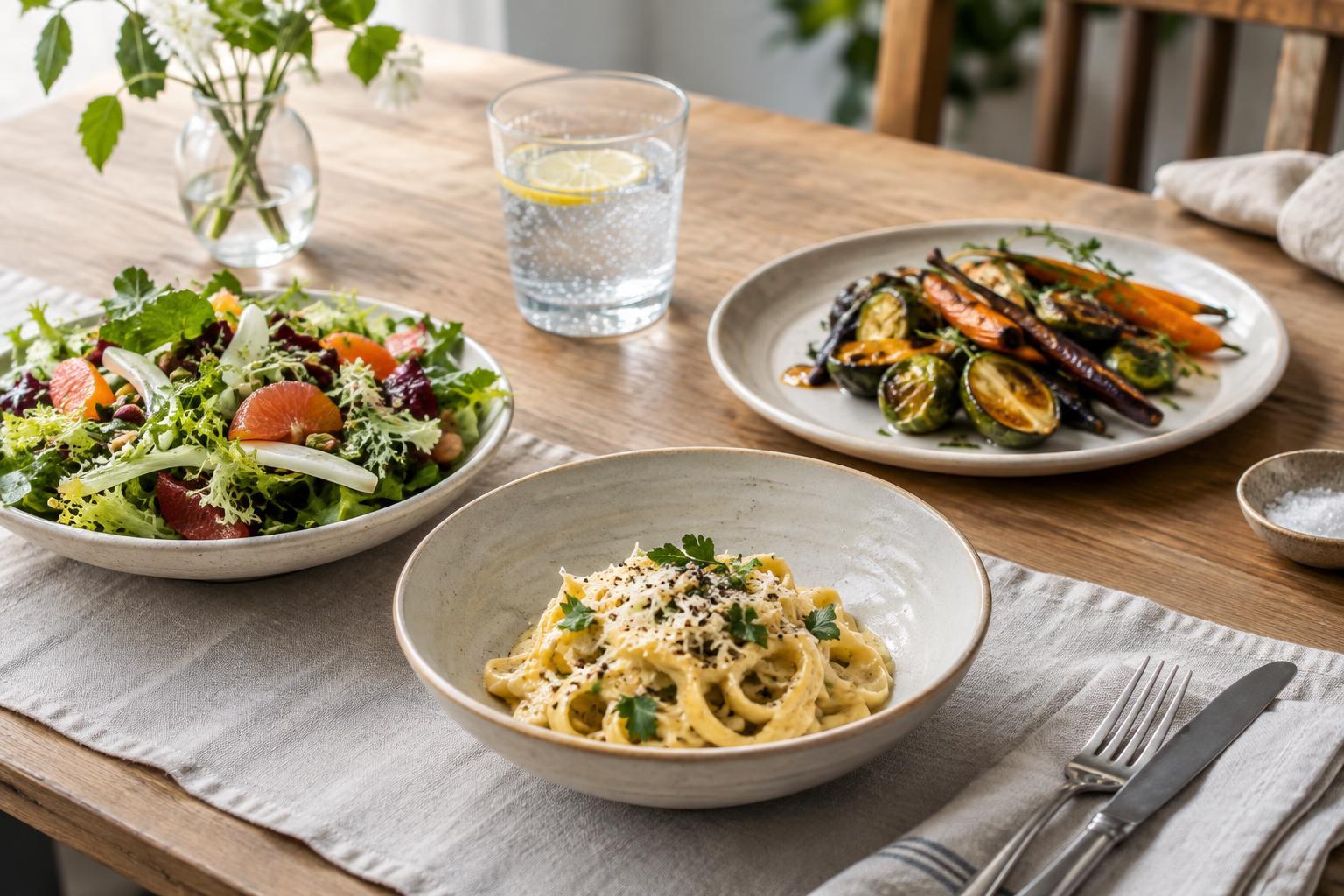
Menus and PairingsA meal can be full of appealing dishes and still feel tiring halfway through. Learn how to spot repeated textures, rich courses and missing contrasts before they reach the table.
Read article · 4 min↗
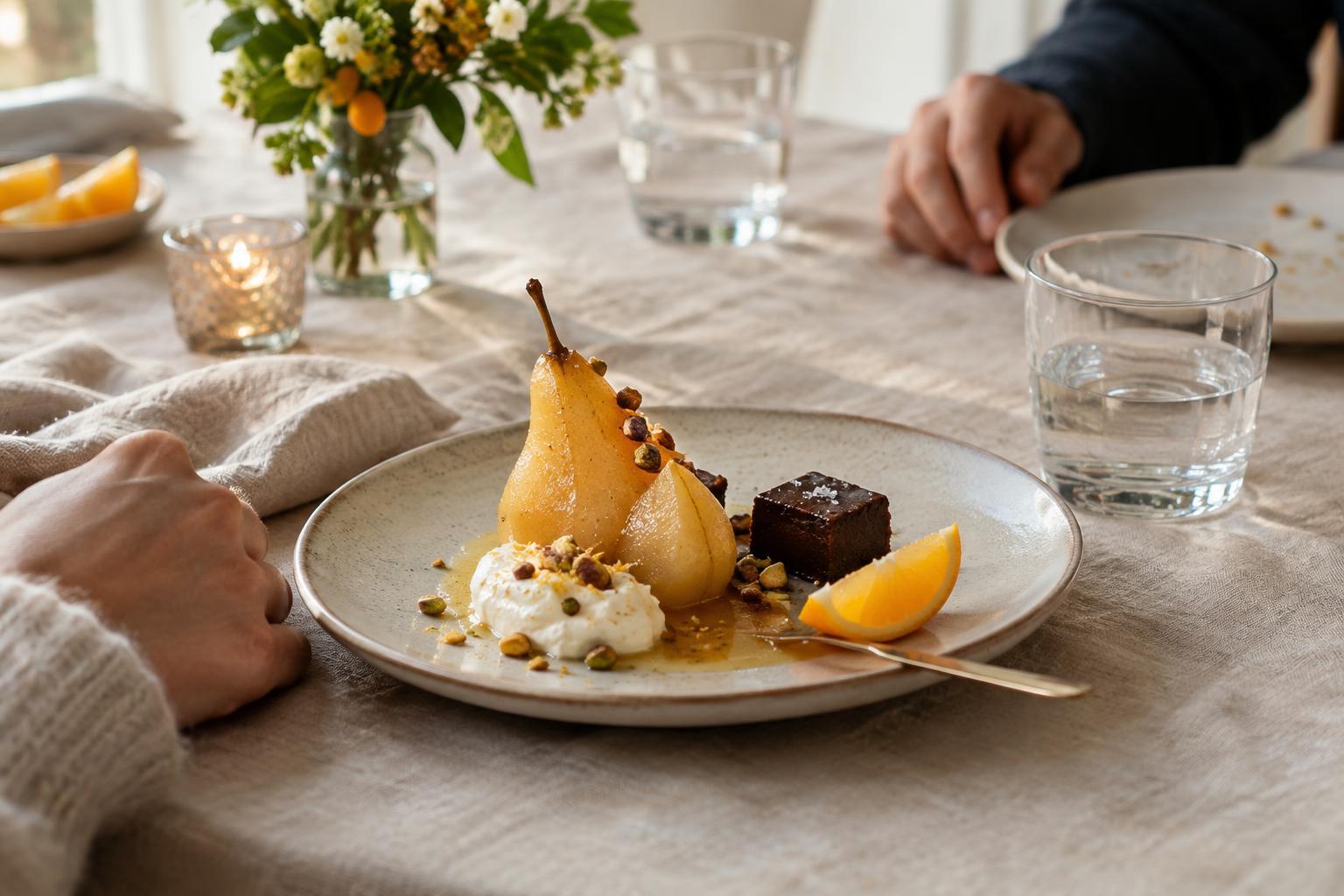
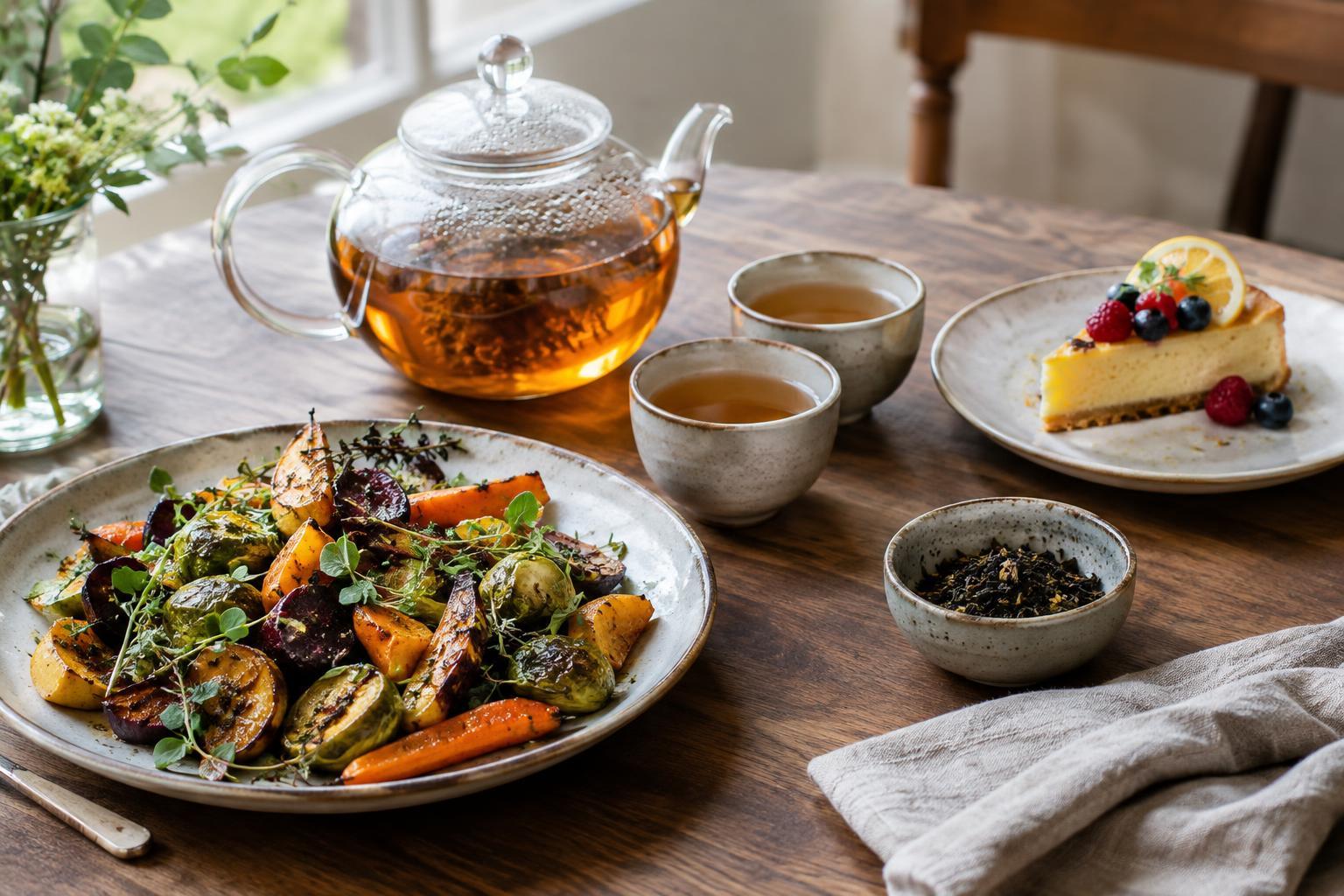
Menus and PairingsTea can do more than accompany a meal. Its body, aroma and astringency offer ways to balance rich dishes, echo delicate flavors and bring desserts into focus. Use a few simple pairing principles to plan a tea-friendly menu at home.
Read article · 4 min↗
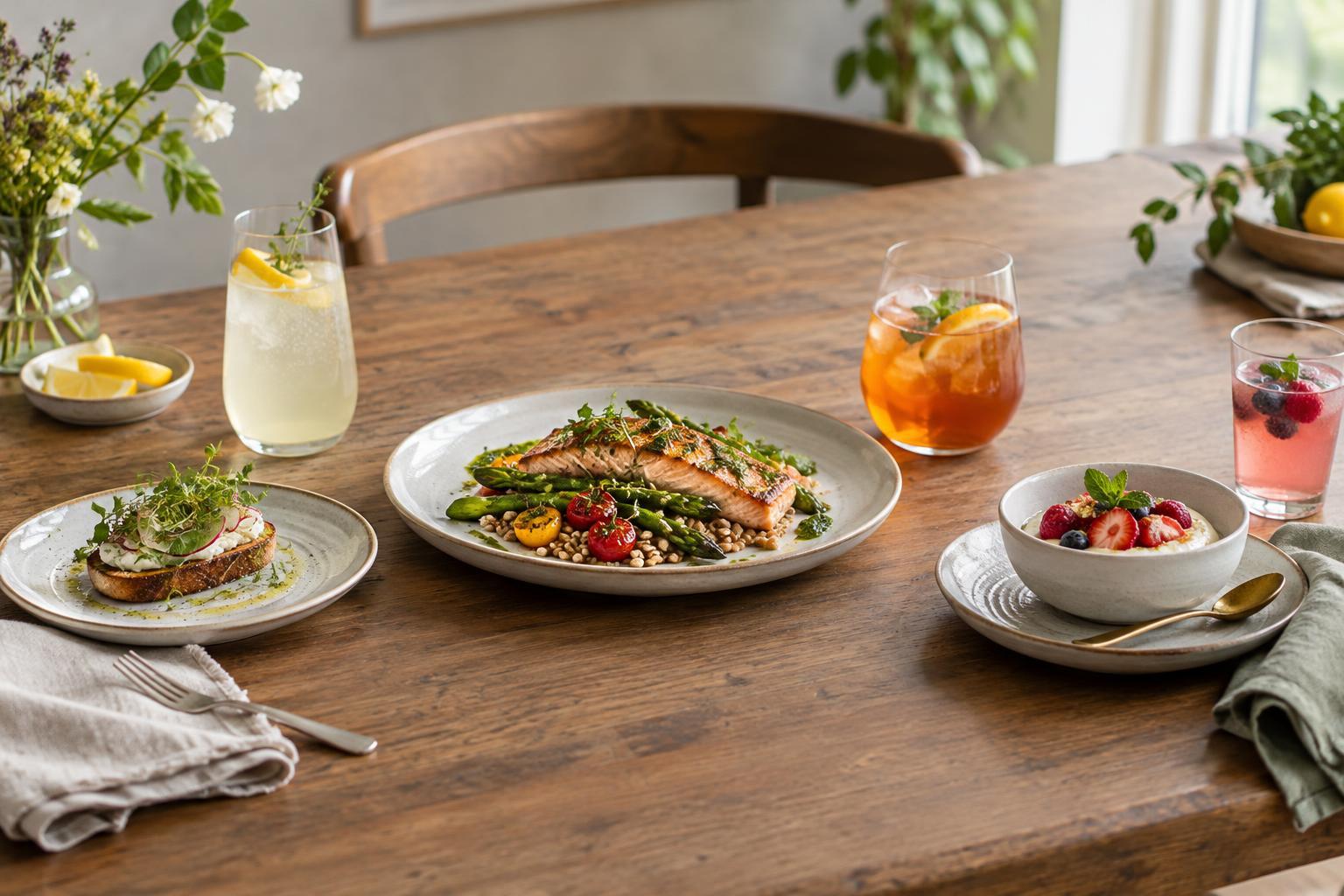
Menus and PairingsA thoughtful nonalcoholic pairing does more than replace wine. Learn how to use acidity, sweetness, texture, aroma, and serving temperature to choose drinks that move naturally from the first bite to dessert.
Read article · 4 min↗
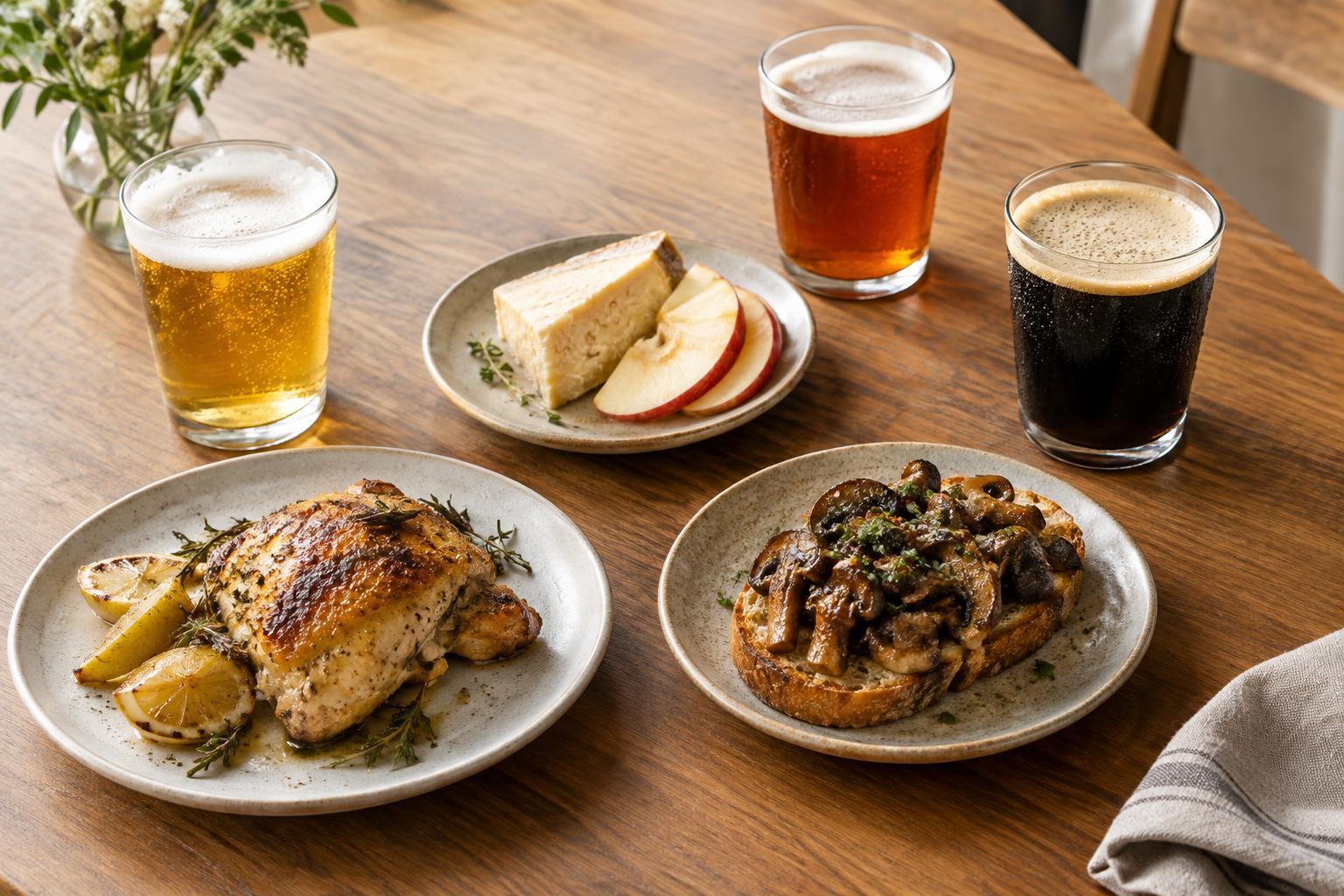
Menus and PairingsA dark beer does not automatically belong with a dark dish, and a pale beer is not always delicate. Learn to build more useful pairings around intensity, bitterness, sweetness, carbonation and the flavors on the plate.
Read article · 4 min↗
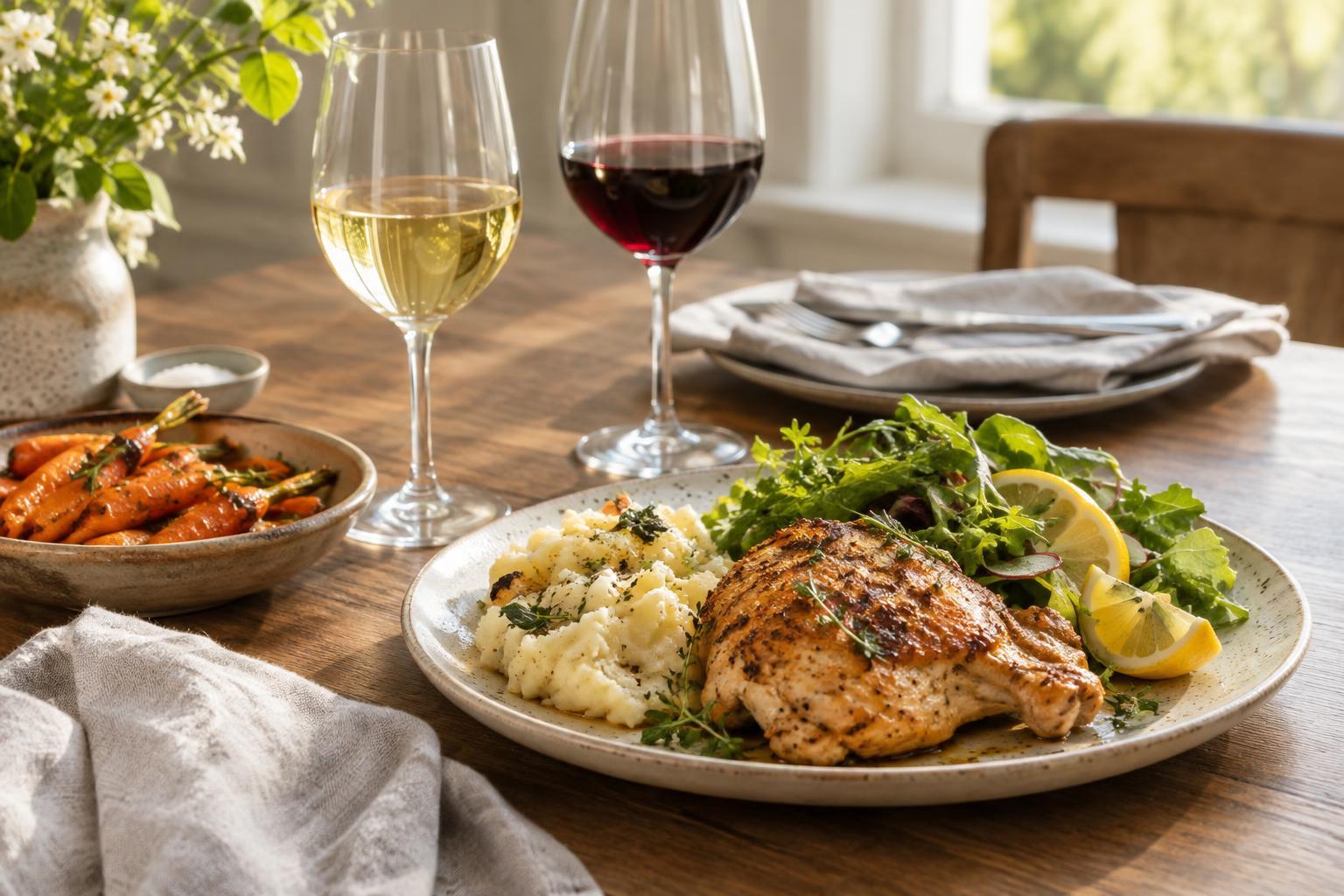
Menus and PairingsA practical way to choose wine for a meal is to compare how substantial the food and wine feel, then consider acidity and sweetness. These three cues can help you build flexible pairings without memorizing a list of rules.
Read article · 4 min↗
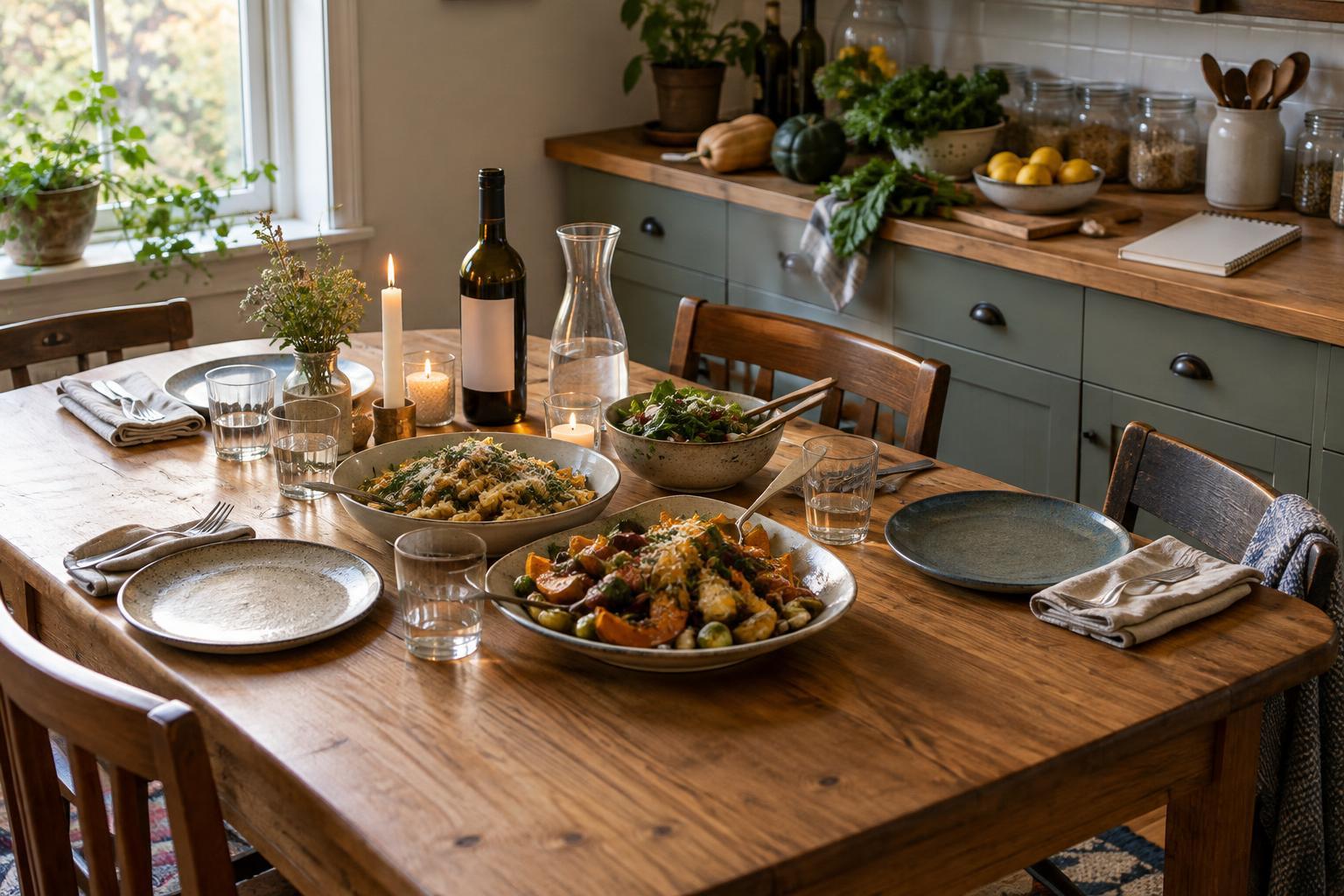
Menus and PairingsA dinner party budget works best when it shapes the menu from the start. Learn how to account for drinks, pantry ingredients, serving sizes and a little flexibility without making the evening feel restrictive.
Read article · 4 min↗
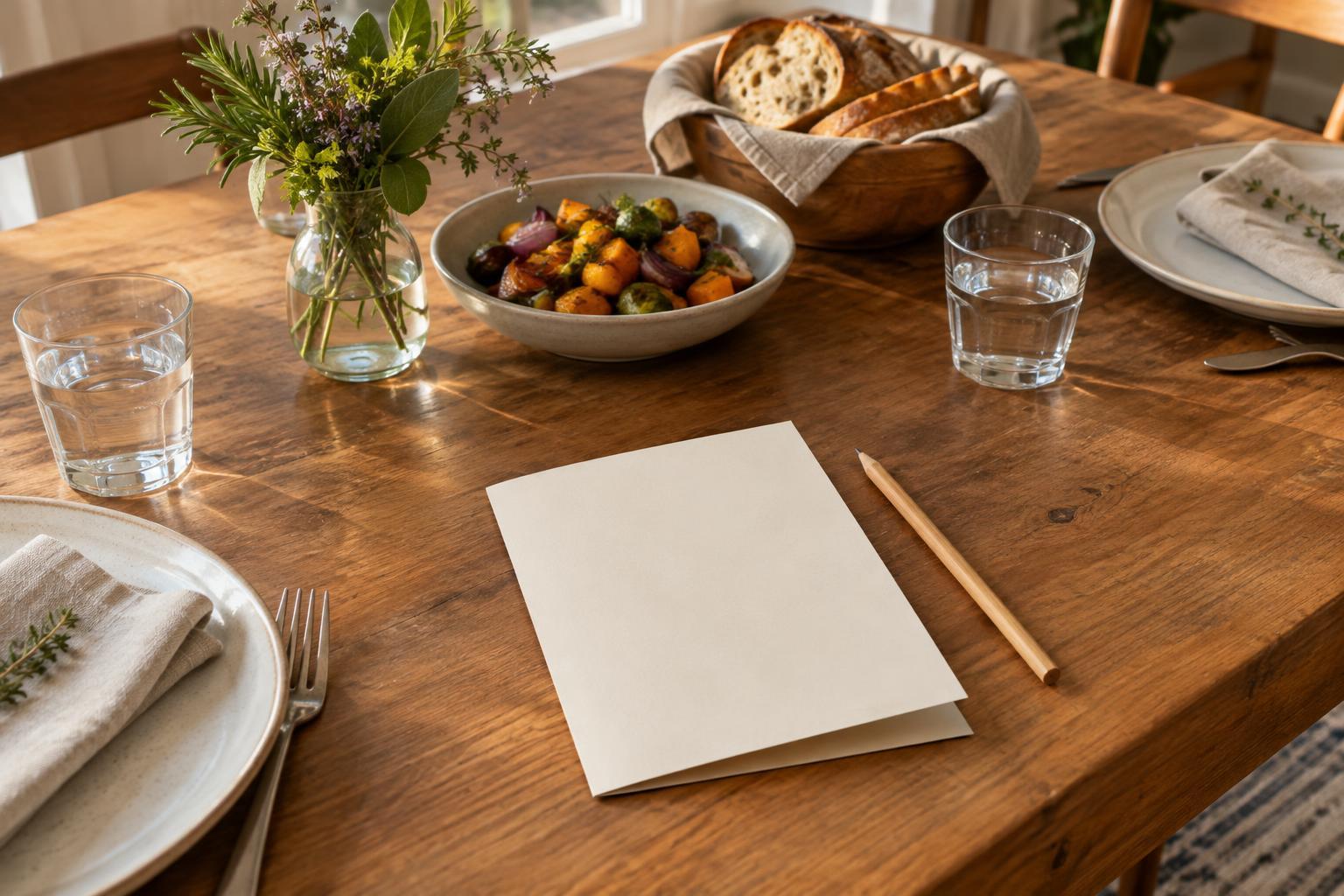
Menus and PairingsA home dinner menu need not sound like a restaurant menu. Clear descriptions help guests picture the meal, notice important ingredients and understand how the courses fit together. Here is a practical way to write one, with examples you can adapt to what you are serving.
Read article · 4 min↗
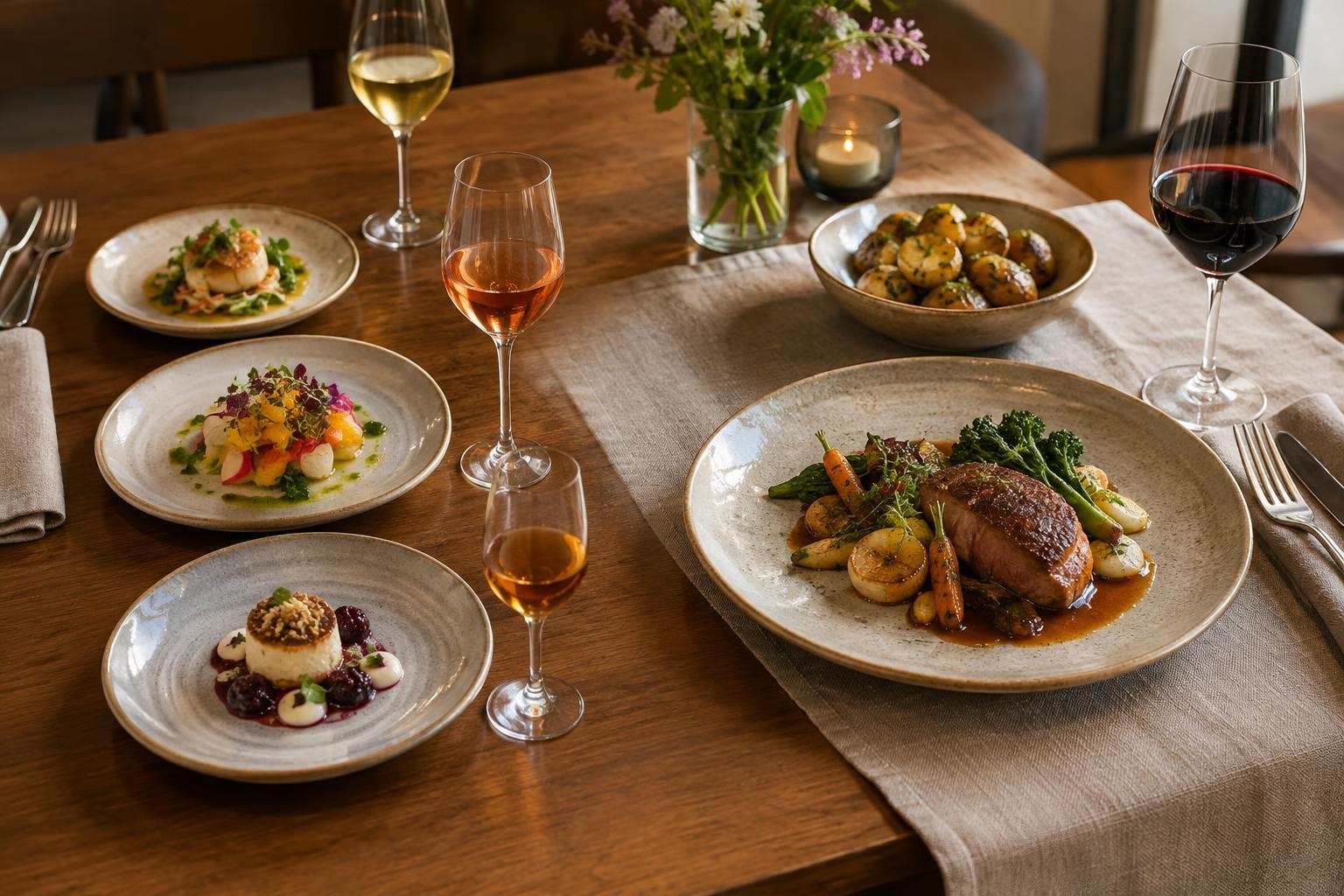
Menus and PairingsA tasting menu is more than a longer dinner. Its fixed sequence changes how dishes are chosen, paced and paired, while a conventional menu gives diners more control over the meal. Understanding the trade-offs can help you choose the experience that suits the occasion.
Read article · 4 min↗
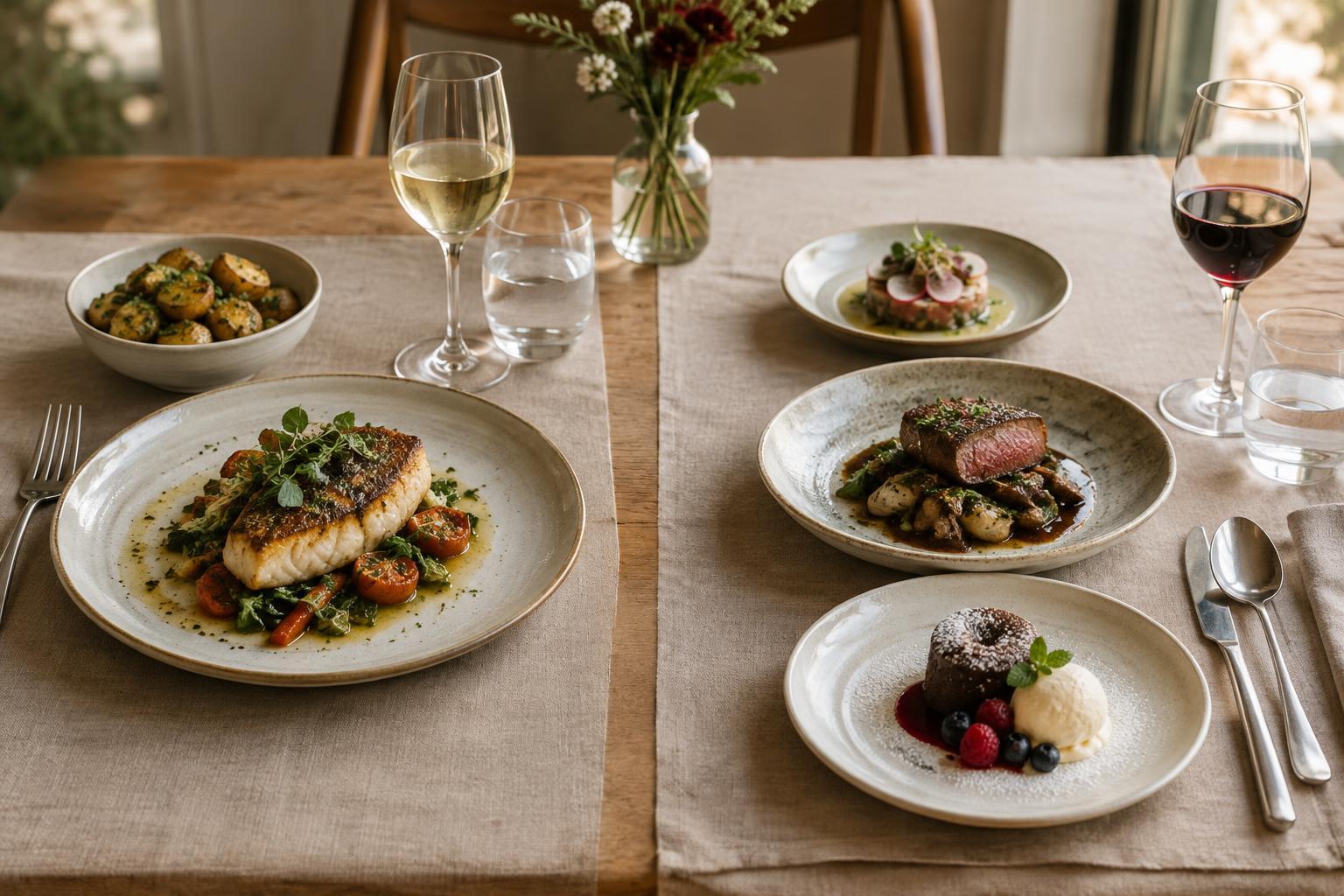
Menus and PairingsAn à la carte menu lets you build your own meal, while a prix fixe menu offers a set sequence at a stated price. Here’s how to compare flexibility, cost, pacing and pairings before you order.
Read article · 3 min↗
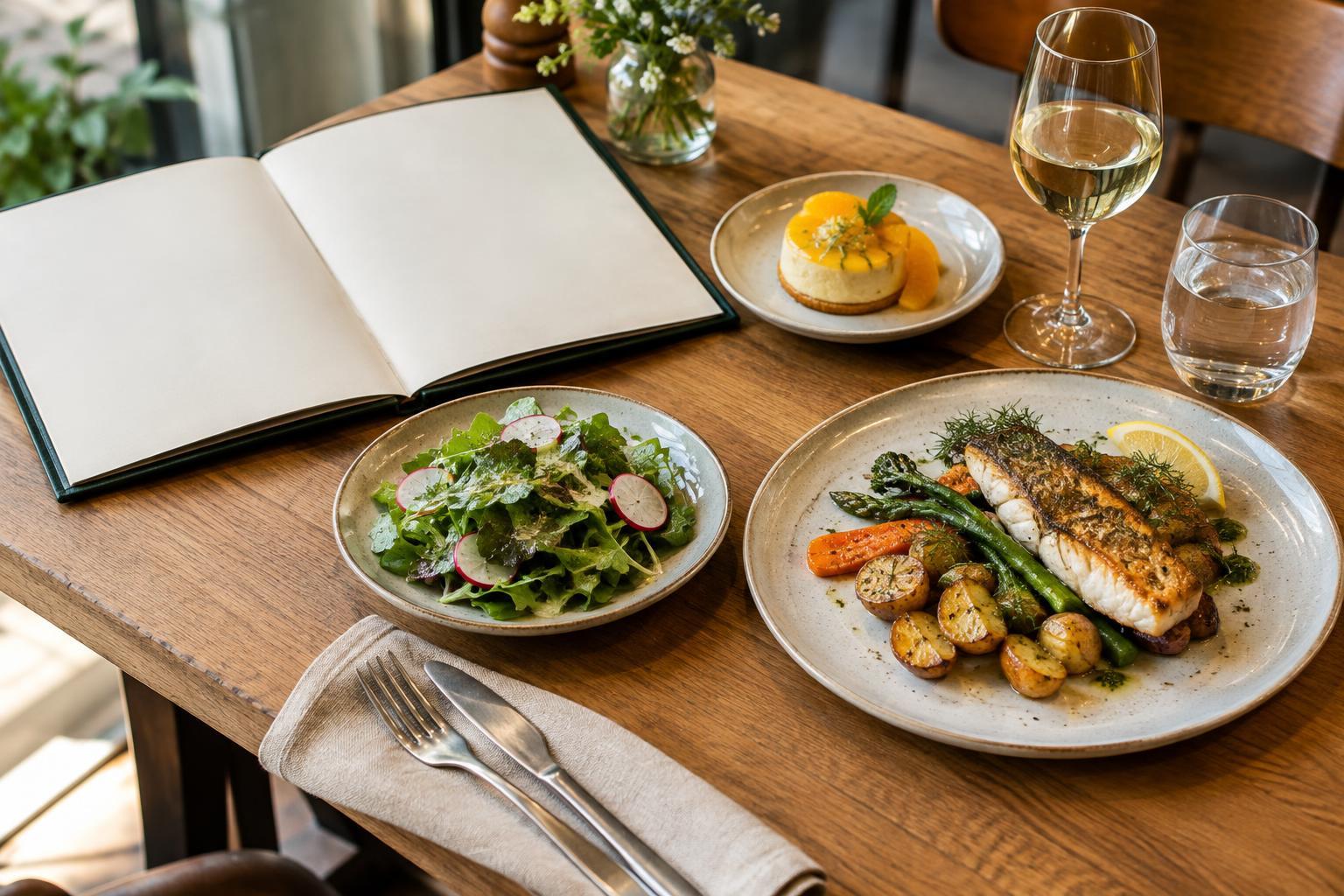
Menus and PairingsA restaurant menu offers more than a list of dishes. Its descriptions can help you picture flavors, textures, richness and portion sizes before you order. Here’s a practical way to put together a meal that feels satisfying without treating balance as a set of rigid rules.
Read article · 3 min↗
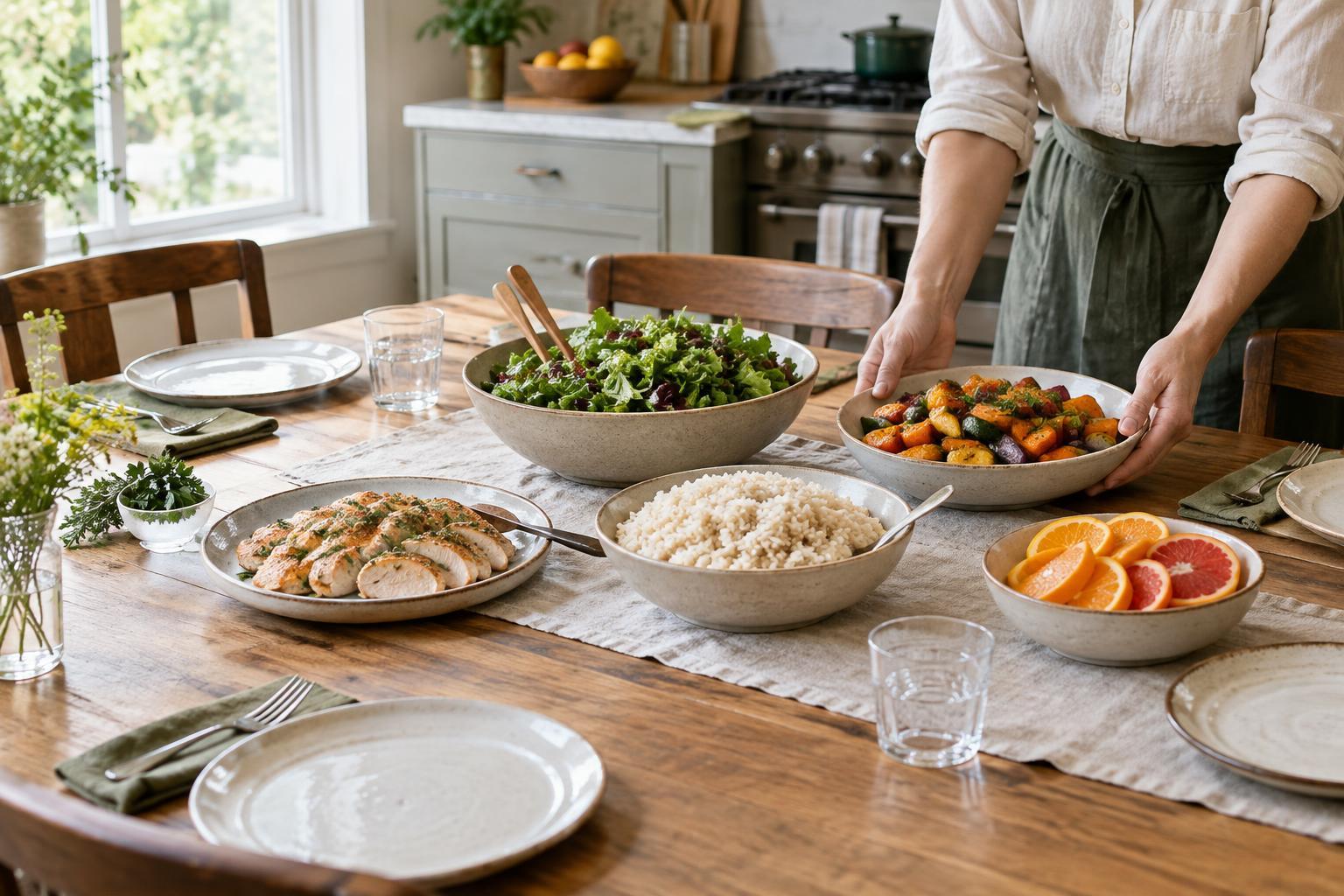
Menus and PairingsA thoughtful menu starts with questions, clear ingredient information, and realistic plans for avoiding cross-contact. Here’s how hosts and menu planners can offer satisfying choices without promising more than their kitchens can deliver.
Read article · 4 min↗
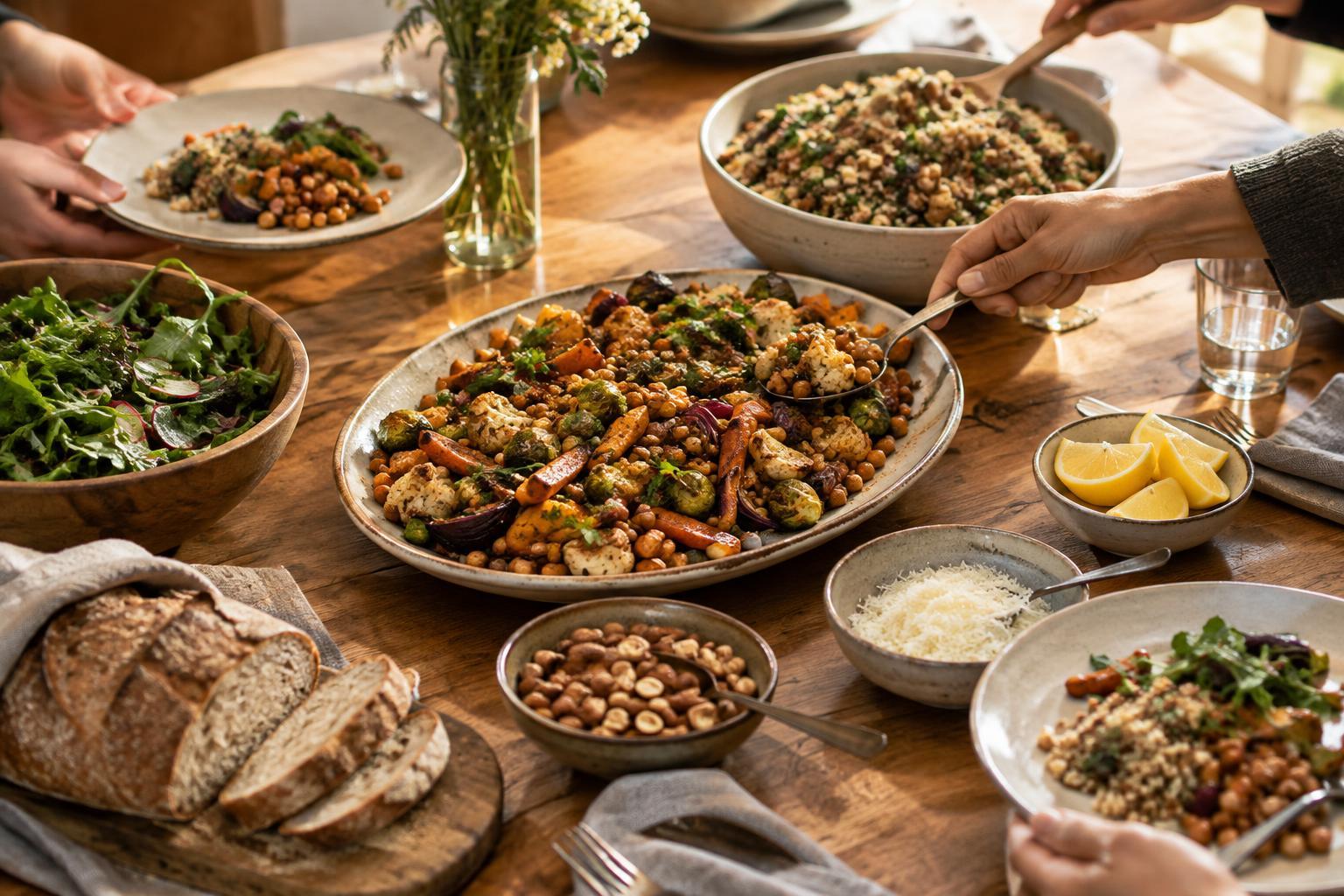
Menus and PairingsA vegetarian-friendly dinner does not require two separate menus. Build a generous shared meal, check the ingredients that are easy to overlook, and let guests choose the finishing touches that suit them.
Read article · 4 min↗
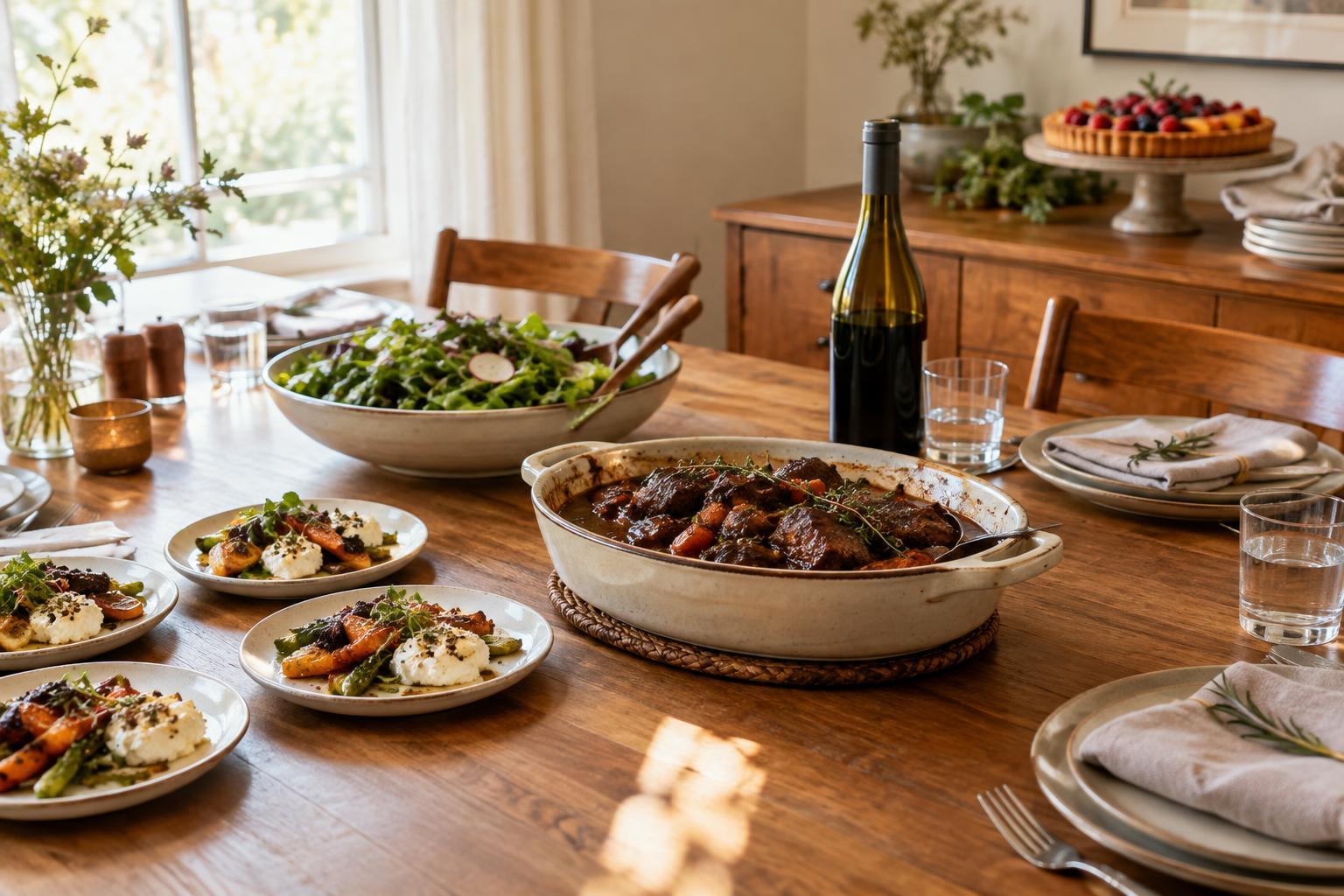
Menus and PairingsA relaxed dinner depends less on preparing everything early than on choosing dishes that need different kinds of attention. Build a menu around a ready-to-serve starter, a forgiving main, simple sides and a dessert that can wait.
Read article · 4 min↗
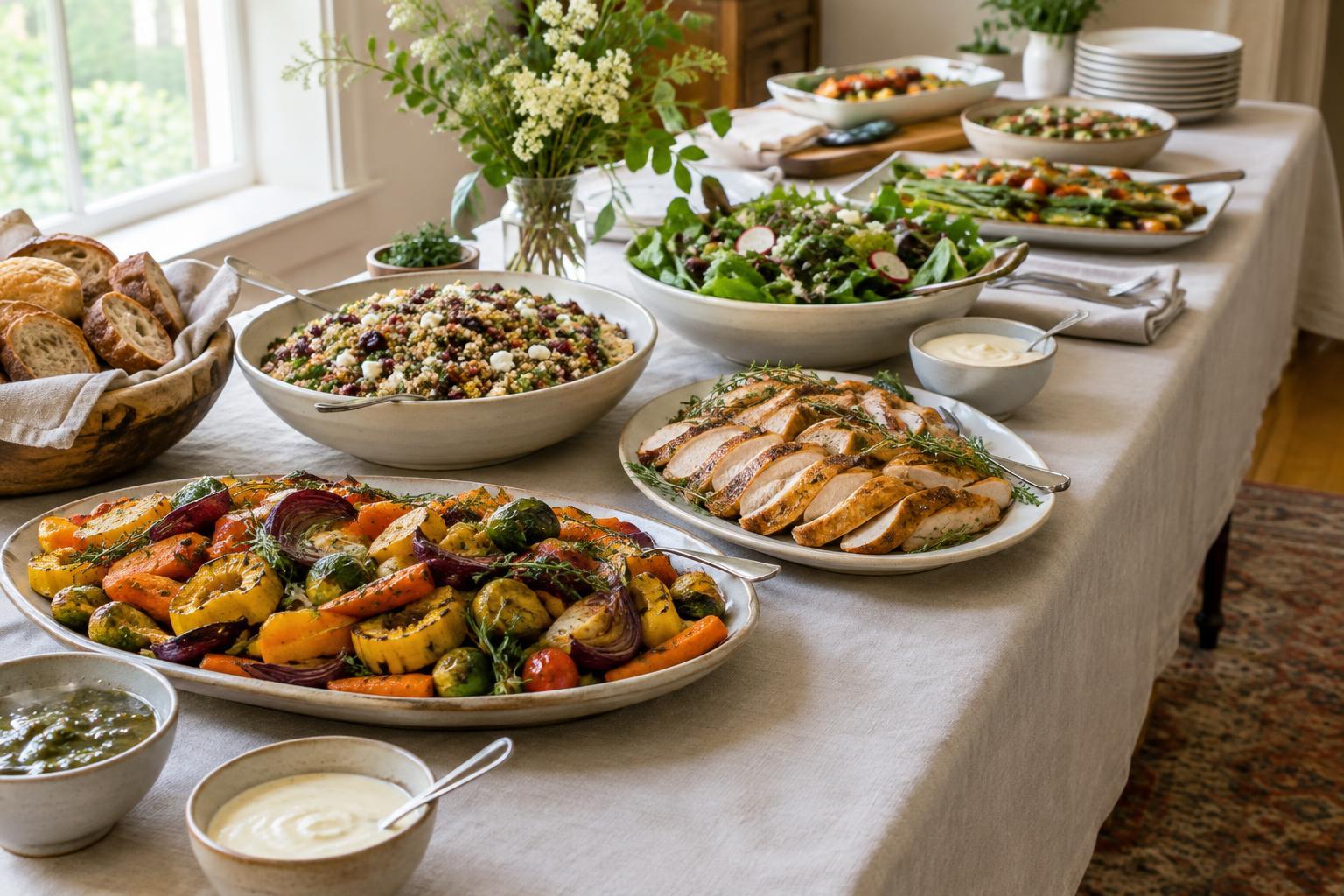
Menus and PairingsA buffet needs more than a good opening spread. Choose dishes that hold their texture, plan a balanced route through the table, and replenish in small batches so the last guests have an inviting meal too.
Read article · 4 min↗
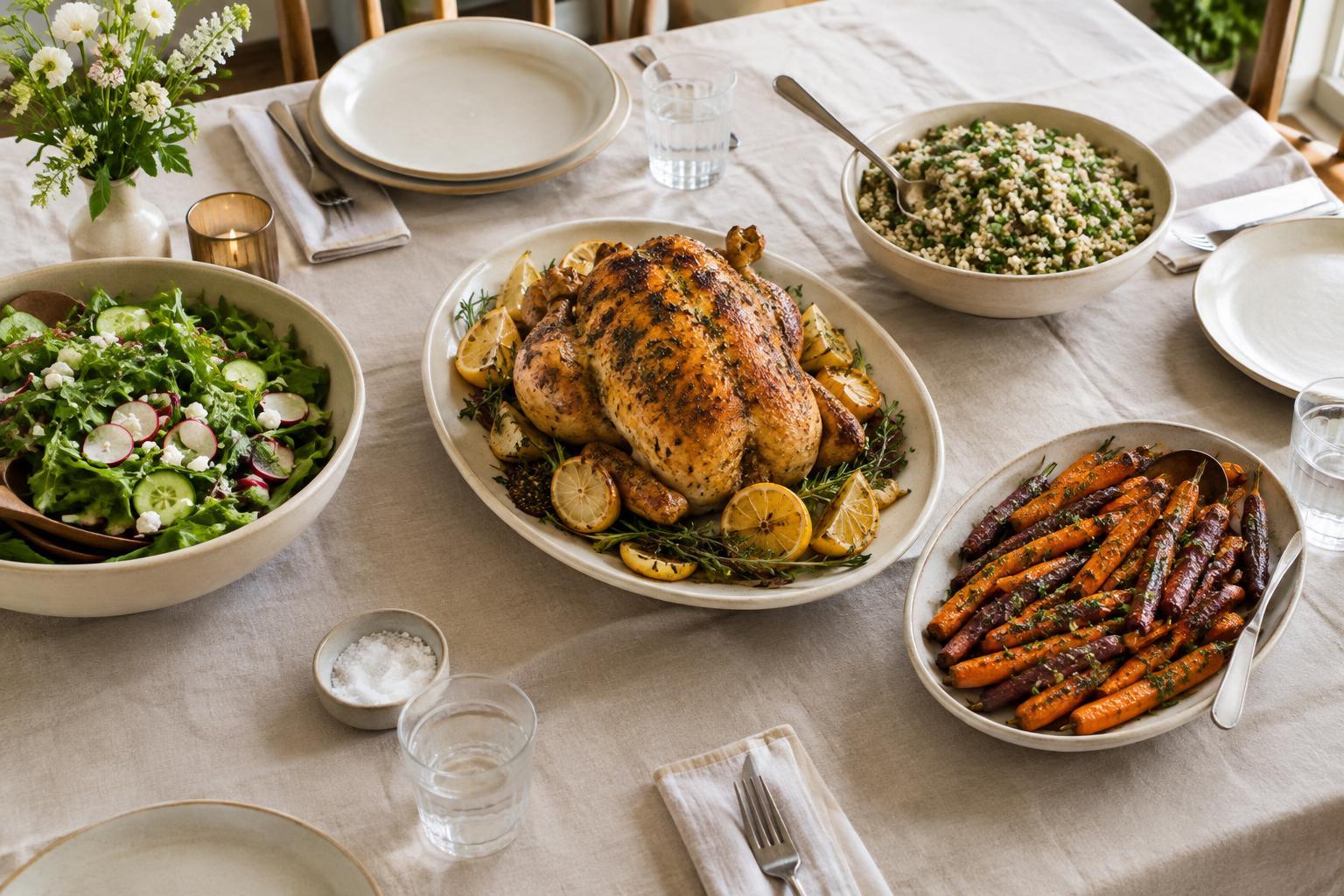
Menus and PairingsA family-style meal feels generous when guests have choices that work together, not when the table is crowded with dishes. Build a balanced menu around one main dish, a few contrasting sides, and a serving plan that lets everyone take part.
Read article · 4 min↗
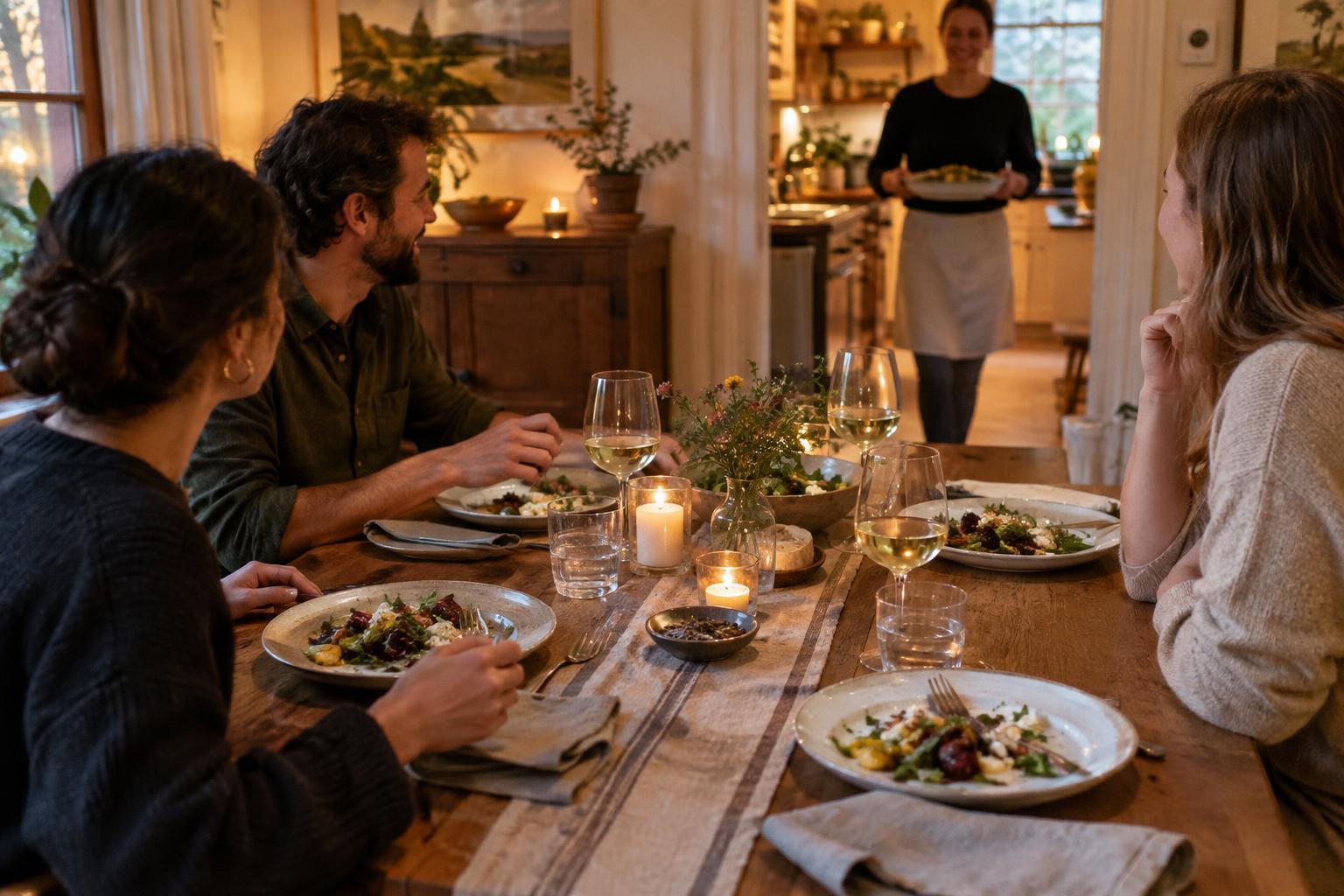
Menus and PairingsA multicourse dinner feels most welcoming when each dish arrives with enough room to enjoy it. Plan a simple sequence, prepare what you can ahead, and let the table’s appetite and conversation guide the timing.
Read article · 3 min↗
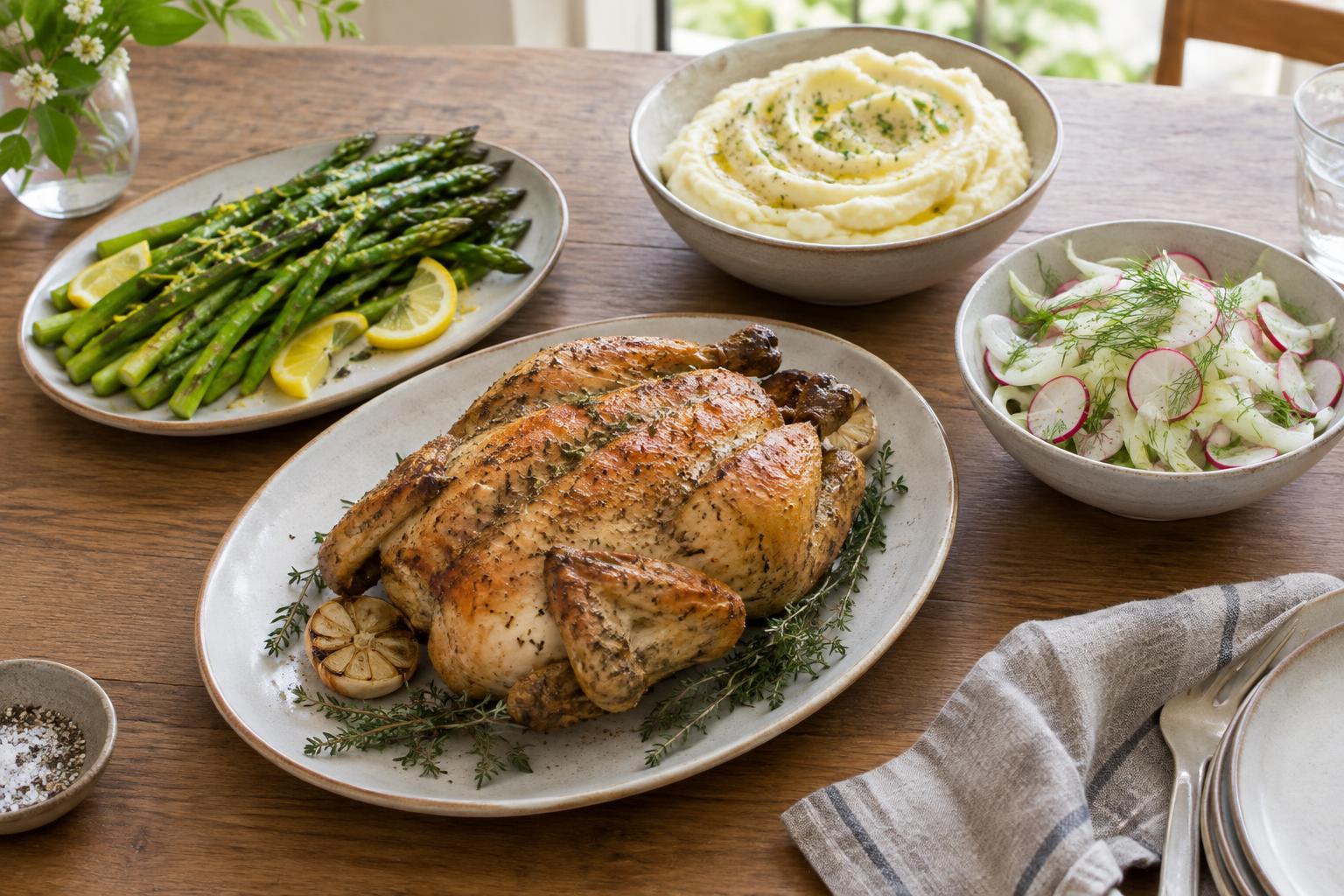
Menus and PairingsA good side dish does more than fill the plate. Learn how to choose sides that complement a main course through contrast, texture, seasonality and a manageable cooking plan.
Read article · 3 min↗
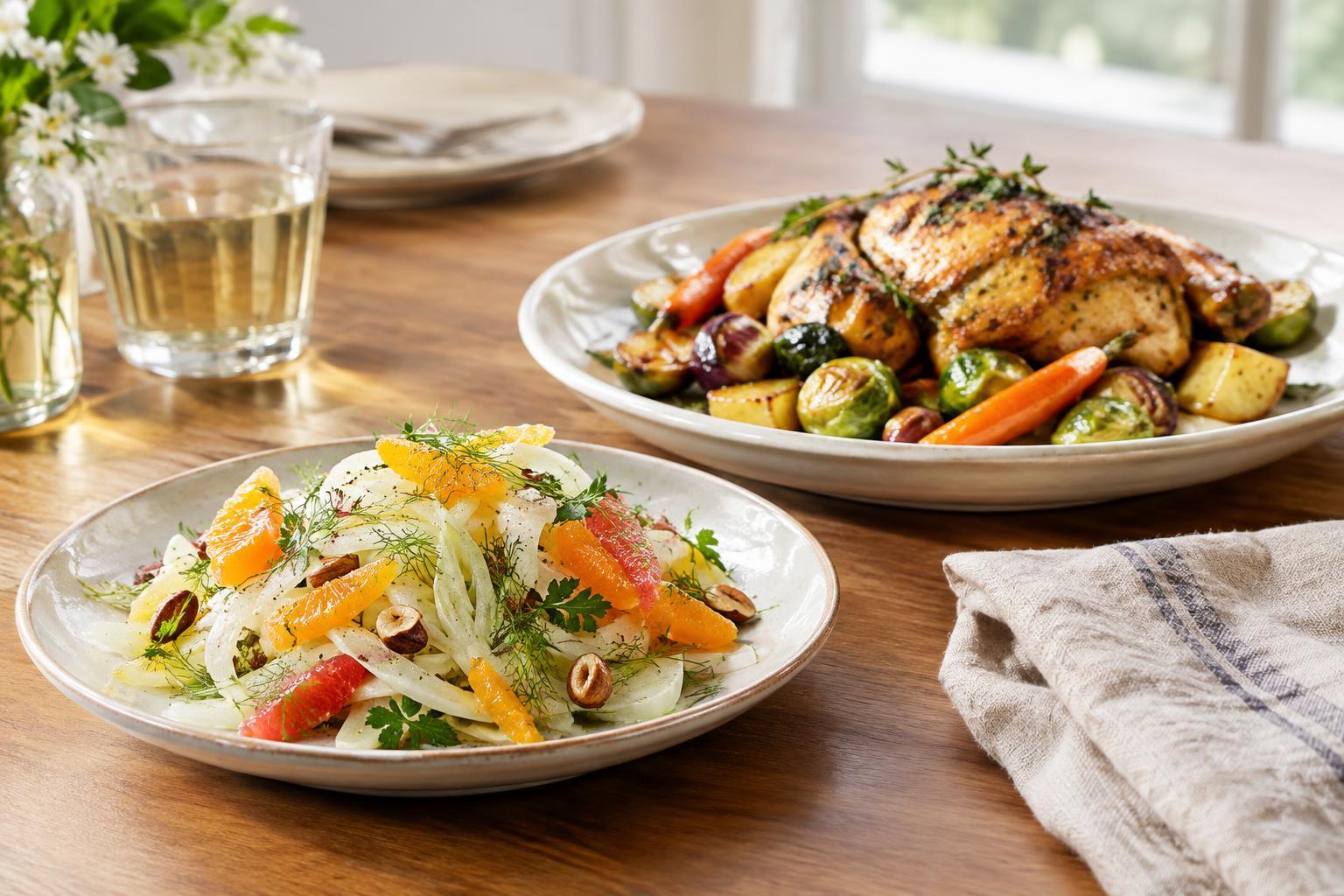
Menus and PairingsA good appetizer sets up the main course without giving away its best ideas. Use contrasts in flavor, texture, richness and portion size to build a meal that feels varied and satisfying.
Read article · 4 min↗
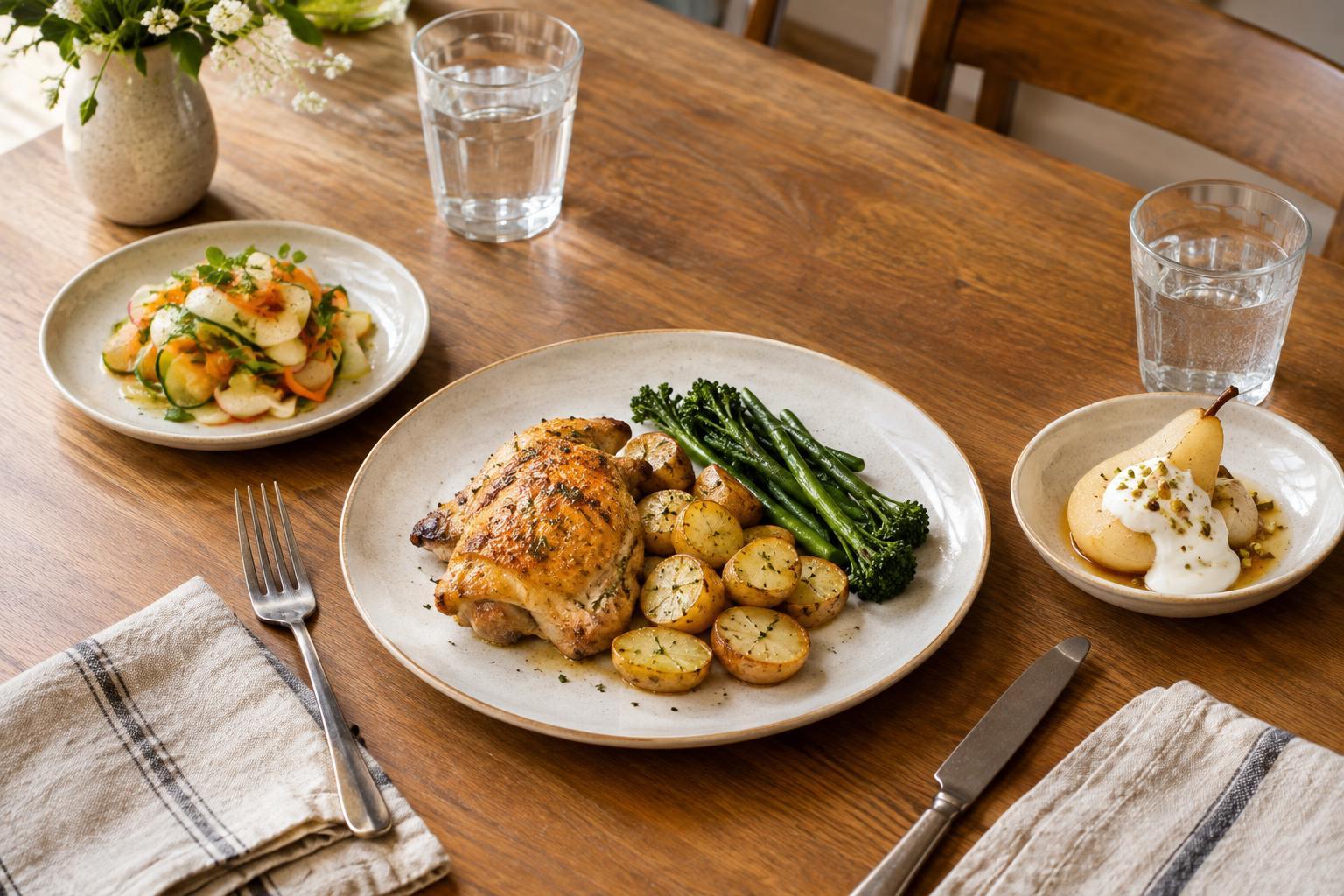
Menus and PairingsA satisfying three-course dinner is more than three good dishes served in order. Learn how to choose an opening course, a main and a dessert that work together through contrast, portion size, pacing and practical preparation.
Read article · 4 min↗