Two ways to shape a meal
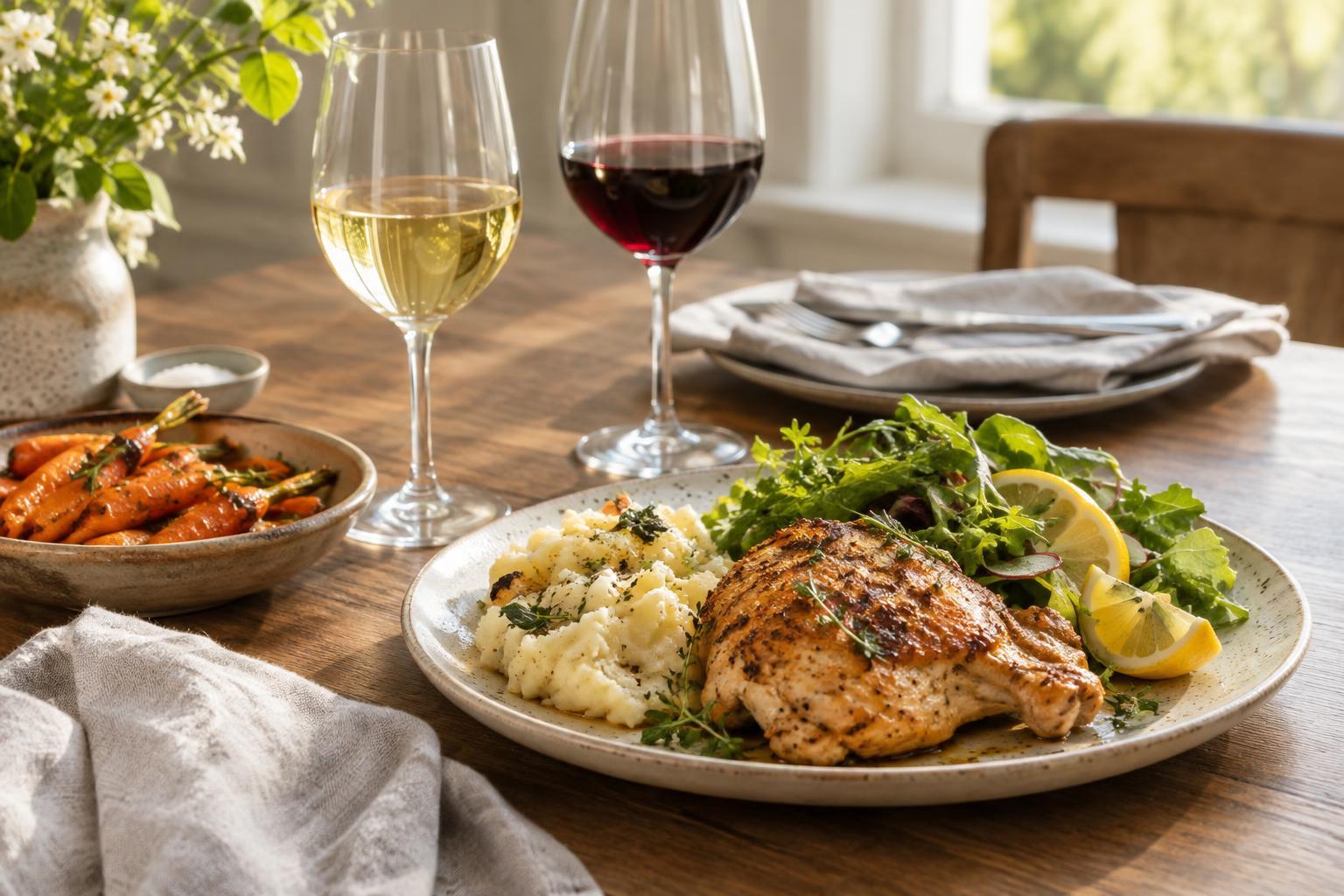
A conventional dinner menu invites diners to build their own meal. They might order a starter and a main course, share several dishes, or skip dessert. Each choice can stand largely on its own, even when the kitchen has designed the menu around a season or a particular style of cooking. The table decides what sounds appealing and, within the restaurant’s service pattern, how much to eat.
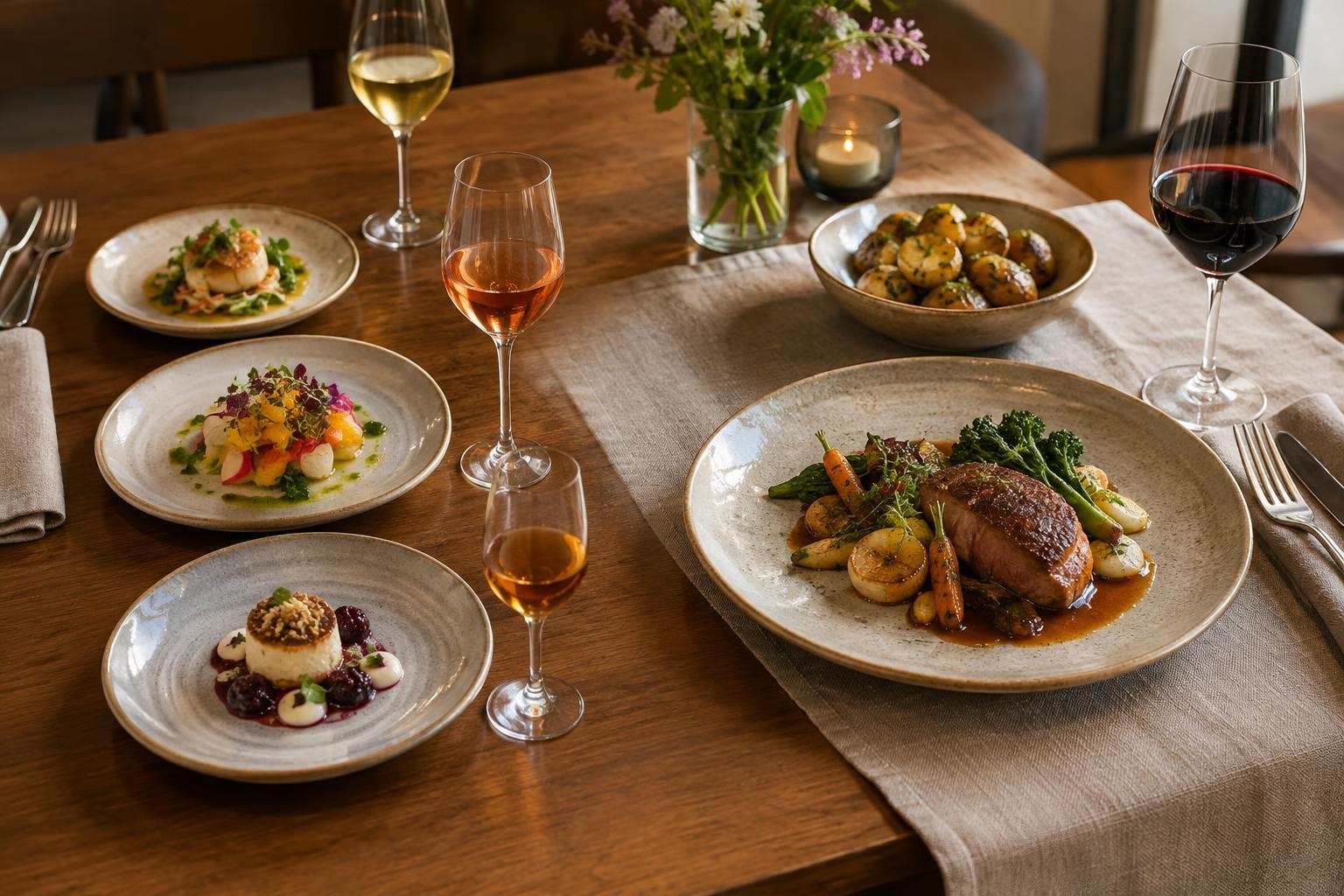
A tasting menu reverses much of that arrangement. The kitchen selects a sequence of smaller courses intended to be eaten in a particular order. A light opening bite may lead to a richer dish, followed by something bright or refreshing before dessert. The aim is not simply to serve more plates; it is to make the progression part of the meal. Neither format guarantees a better dinner. They offer different balances of guidance and freedom.
Choice moves from the table to the kitchen
On a conventional menu, choice is visible. Diners can compare dishes, order according to appetite and avoid ingredients they dislike. People sharing a table can have quite different meals. This flexibility is especially useful when preferences vary or when one person wants a full dinner and another wants something small.
A tasting menu usually asks diners to commit to a more defined experience. Some offer a few options or substitutions, while others have little room for changes. That structure lets the kitchen plan how flavors and textures relate across courses: a crisp element might follow a soft one, or a rich sauce might appear only after several lighter dishes. If you have a dietary restriction or a strong aversion, it is worth checking what the restaurant can accommodate before choosing the menu rather than assuming every course can be replaced.
Pacing and portions work together
The portions in a tasting menu are generally smaller than conventional main courses, but their combined effect matters more than the size of any single plate. Bread, snacks, palate-cleansing bites and dessert can all contribute to a substantial meal. Smaller servings also give a kitchen room to explore an ingredient without asking diners to eat a large portion of it.
Because each course has a place in the sequence, pacing tends to be more coordinated. Plates may arrive only after the preceding course has been cleared, and the meal can take longer than a straightforward starter-and-main dinner. A conventional menu can feel more adaptable: a table may linger over shared dishes or keep its order simple. In either format, good pacing leaves enough time to enjoy a dish without making the wait for the next one the focus of the evening.
Pairings tell a different story
A conventional menu lets diners choose drinks that suit the dishes they order, whether that means one glass with a main course or a single nonalcoholic drink throughout. When several people order different foods, a versatile choice may make more sense than trying to find an exact match for every plate.
With a tasting menu, optional pairings can follow the changing flavors from course to course. They might echo an ingredient, provide contrast or reset the palate after a rich dish. Pairings need not be alcoholic to serve that purpose; acidity, sweetness, temperature and texture all affect how a drink meets food. A full pairing can add both cost and volume to the meal, so choosing a few glasses or drinking water throughout can be just as sensible.
Choosing the right format for the occasion
A tasting menu often suits diners who want to explore the kitchen’s point of view and are comfortable giving up some control. It can make unfamiliar ingredients easier to try in small portions, especially when the sequence provides context. Before committing, consider the likely length of the meal, the total price, whether everyone at the table must choose the same format and how dietary requests are handled.
A conventional menu may be the better fit when time is limited, appetites differ or the pleasure of choosing is part of the outing. It also makes it easier to return for a favorite dish or focus on one ingredient you already know you enjoy. The useful question is not which format is more ambitious. It is whether you want the kitchen to compose most of the evening for you or would rather compose your own dinner from its offerings.