Start with what the guest needs to know
A written menu can make dinner feel considered, but its first job is orientation. Guests should be able to glance at it and understand what they will eat, in what order, and whether a dish contains an ingredient they may need to ask about. It does not need elaborate language to do that well. In fact, a straightforward description often sounds warmer at home than a string of restaurant-style adjectives.
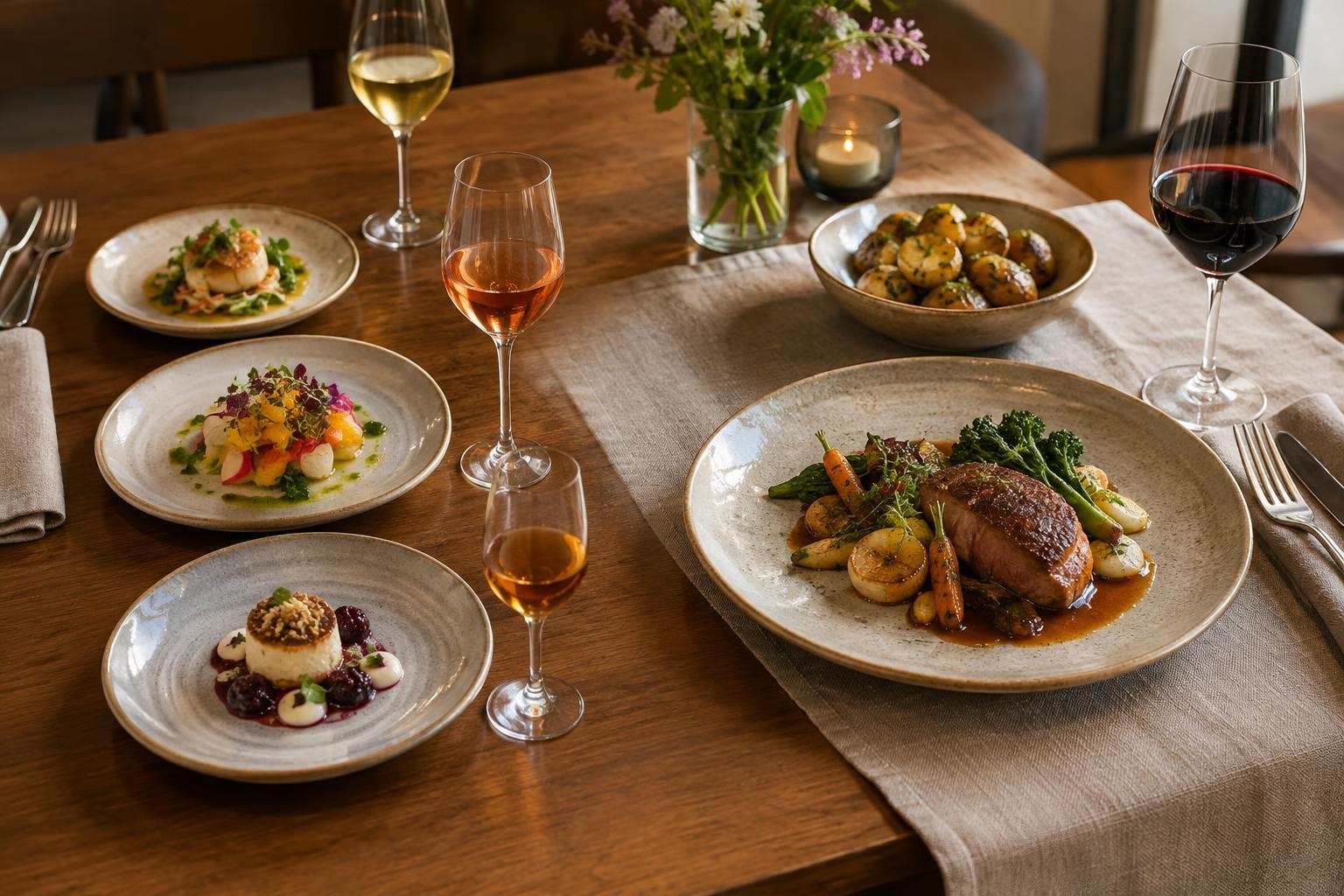
Before writing, decide how much detail the occasion calls for. For a casual supper, a short list of dishes may be enough. For a meal with several courses, choices or unfamiliar ingredients, add a line beneath each dish. That line should answer the questions a guest would naturally have: What is the main ingredient? How is it prepared? What accompanies it? You can leave out details that are easy to see or that do not change anyone’s understanding of the plate.
Name the dish, then add the detail that matters
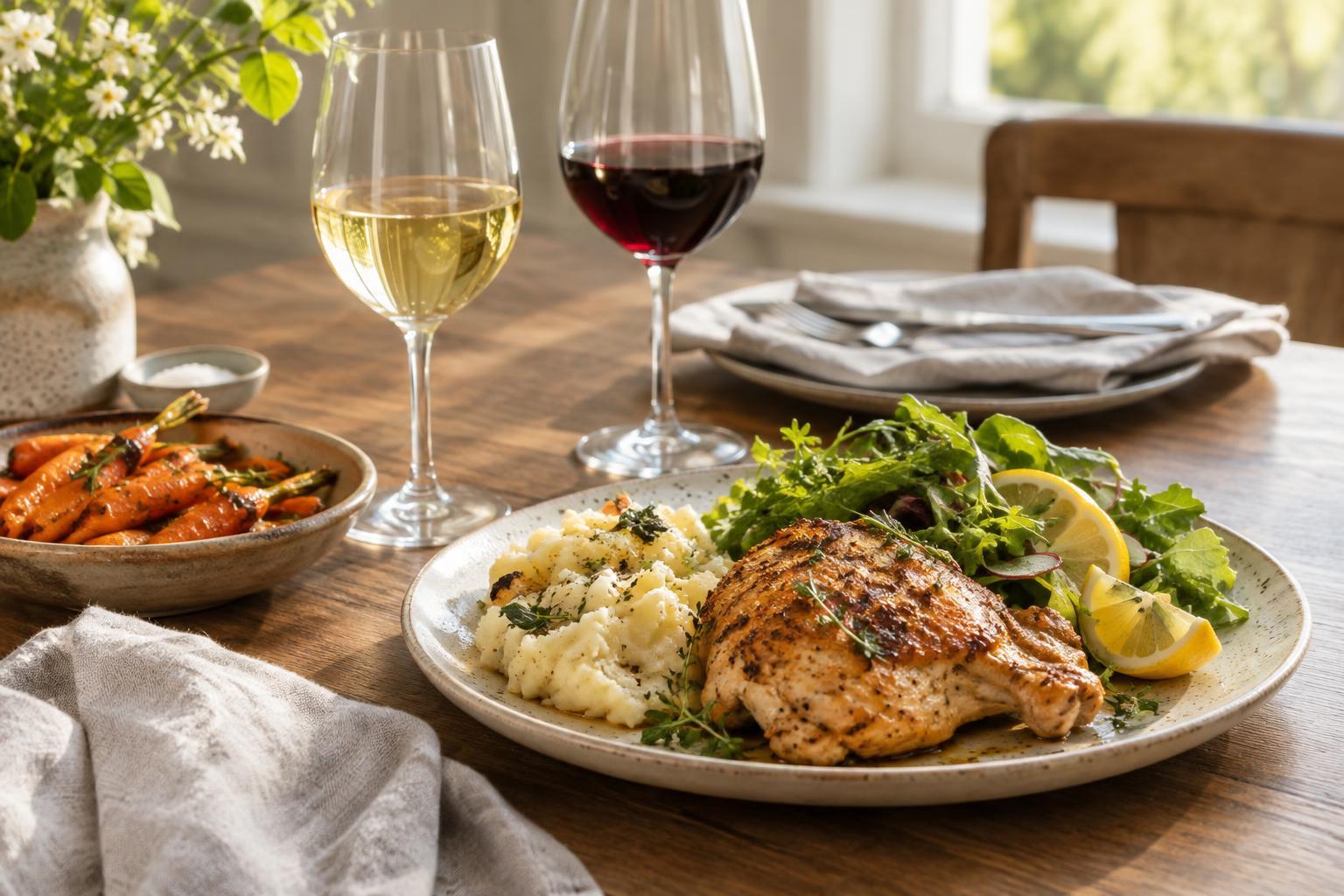
Build each entry around a familiar anchor: “Roast chicken,” “Mushroom risotto” or “Baked pears.” Follow it with a few specific details that distinguish your version. “Roast chicken with lemon, thyme and pan juices” is more useful than “A delicious herb-infused poultry experience.” Specific nouns tell the reader more than praise does, and they give you a natural way to make the meal sound appealing without overselling it.
Preparation words can help when they set expectations. Grilled, braised, crisp, chilled and lightly dressed each suggest something about texture or temperature. Use them accurately and sparingly. If the dish is a bowl of beans topped with sautéed greens, say so rather than calling it a stew. If a sauce is served on the side, mention that when it affects how guests will eat the dish.
Keep descriptions parallel in length. A menu where the starter gets two ornate sentences and the main gets only a name can feel oddly weighted. One concise line per dish is usually enough: “Tomato salad — ripe tomatoes, cucumber and a basil vinaigrette”; “Baked pasta — spinach, ricotta and a crisp breadcrumb topping.” Read the full menu aloud. If a phrase sounds awkward to say, it will probably be awkward to read.
Make choices and dietary details easy to find
If guests are choosing between dishes, make the difference obvious. “Roast squash with lentils and herbed yogurt” and “Roast chicken with lemon and thyme” are clearer options than “Vegetarian main” and “Chef’s main.” Put sides and sauces alongside the dish they accompany so guests can understand the complete plate. When everyone will share a dish, a simple “for the table” label can prevent confusion about whether it is a separate course.
A menu can flag prominent ingredients, but it should not stand in for a conversation about allergies or dietary needs. If you know a guest has a restriction, ask them directly before planning and be candid about ingredients and preparation. Avoid promising that a dish is free from an allergen unless you can account for everything used, including packaged ingredients and possible contact during cooking. For a printed menu, plain notes such as “contains walnuts” or “yogurt served separately” are more useful than vague symbols guests must decode.
Let pairings support the meal, not crowd the page
If you plan to suggest drinks, keep the pairing note as clear as the food description. Name what is being offered rather than claiming a perfect match: “With the roast chicken: chilled sparkling water with lemon, or a light white wine.” A nonalcoholic option belongs naturally beside an alcoholic one, not as an afterthought. You may also skip pairings entirely if guests will serve themselves.
Think about the menu as a whole before you print or set it out. Repeated ingredients can be pleasing when intentional, but a list full of lemon, herbs and “fresh” tells guests little about how the courses differ. Vary the details you highlight: the crispness of a starter, the comforting texture of a main, the tart fruit in a dessert. Then check every entry against the food you will actually serve. A small change in the kitchen is normal; updating the wording, or simply explaining it at the table, keeps the menu honest.
Finally, give the words room to breathe. Clear course labels, legible type and a sensible order do more for a home menu than decorative language. The best description gives guests just enough information to look forward to the next plate—and leaves the rest of the conversation for dinner.