Think about the meal before the dessert
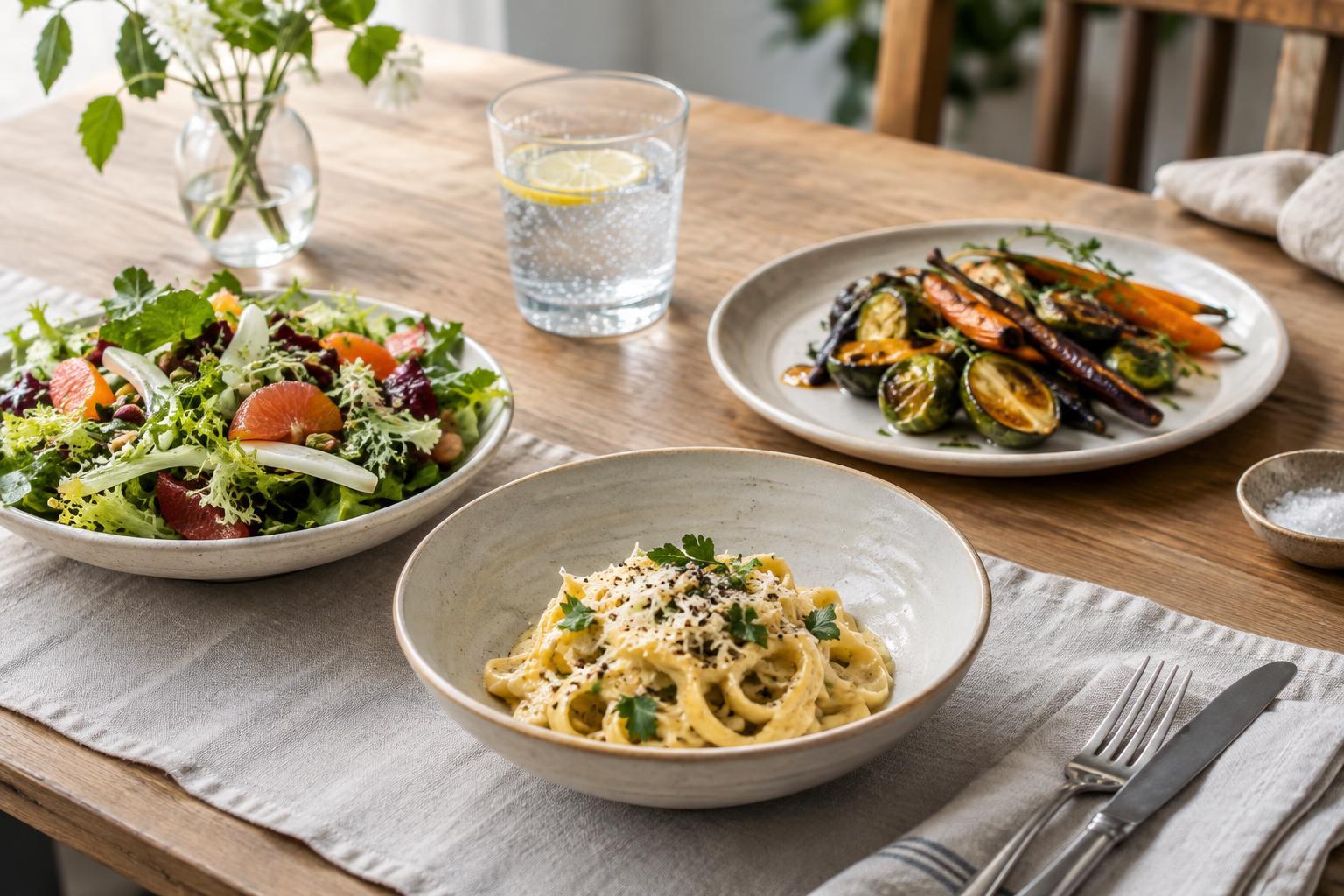
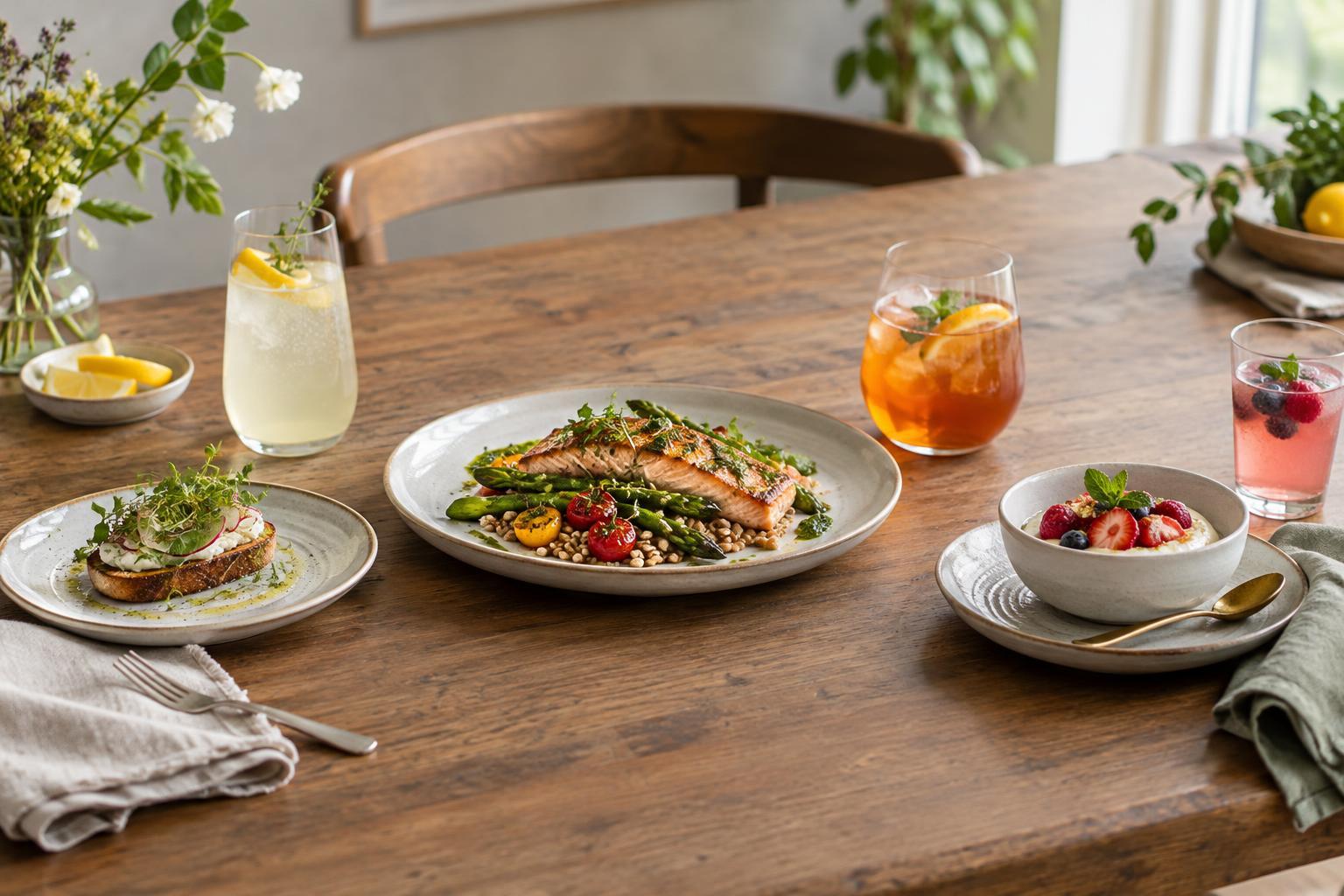
Choosing dessert is easier when you start with what came before it. A meal of creamy pasta, roasted meat or several generous courses may call for a lighter finish than a simple supper of grilled vegetables and fish. This is not a strict rule: a small serving of rich chocolate can work after a hearty dinner. The useful question is how you want everyone to feel when the meal ends.
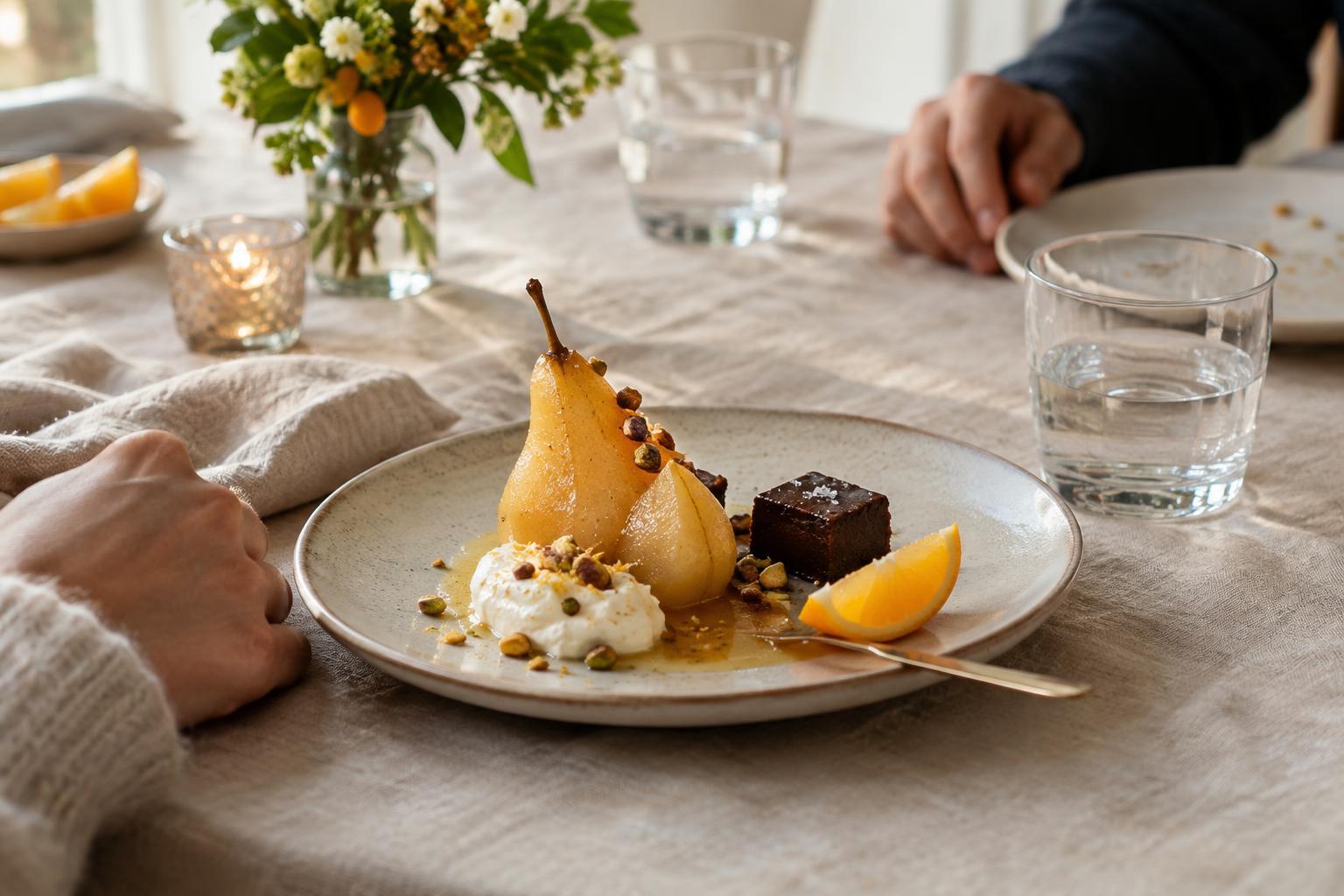
Consider the progression of the menu as well as its main dish. Were the earlier courses bright and delicate, or deeply savory and substantial? A dessert can carry that mood forward or offer a gentle contrast. A lemon granita after a rich main course creates a sense of refreshment; a warm baked pear after an autumnal dinner keeps the meal feeling cozy without making the final course too heavy.
Balance richness with brightness
Richness comes from more than chocolate. Custard, pastry, cream, nuts and buttery sauces can all make a dessert feel substantial. If dinner already featured several of those qualities, look for fruit, citrus, yogurt or a modest portion to bring balance. Berries with lightly sweetened cream, for example, can still feel celebratory while leaving the fruit at the center.
Acidity and bitterness can also keep sweetness from becoming tiring. Citrus zest can lift a dense cake, while coffee or a little dark chocolate can give a sweet dessert a more measured finish. Think of these as adjustments rather than formulas. A tart dessert may seem jarring after a very mild meal, just as an intensely sweet one may overwhelm a menu built around subtle flavors.
Use texture and temperature to create a satisfying ending
Dessert does not need to repeat the textures of dinner. After a soft risotto or a slow-cooked stew, something crisp or cool can be especially welcome. A baked fruit dessert with a crumbly topping offers contrast, while a scoop of sorbet provides a clean change of temperature. After a salad-led meal with plenty of crunch, a spoonable pudding might feel more comforting.
Temperature also affects the pace at the table. A warm dessert straight from the oven invites everyone to linger, but it requires good timing. A chilled mousse or fruit compote can be prepared ahead and served whenever the conversation reaches a natural pause. For a relaxed dinner at home, the dessert that is ready when you need it may be a better choice than a more elaborate option that pulls you away from your guests.
Let portions and drinks support the choice
A dessert’s size matters as much as its ingredients. A full slice of cake can be just right after a light meal, while a few bites of the same cake may be enough after a long one. Small portions need not feel apologetic: serve them on a suitable plate, add a contrasting spoonful of fruit or cream, and give guests the option of more if there is plenty to share.
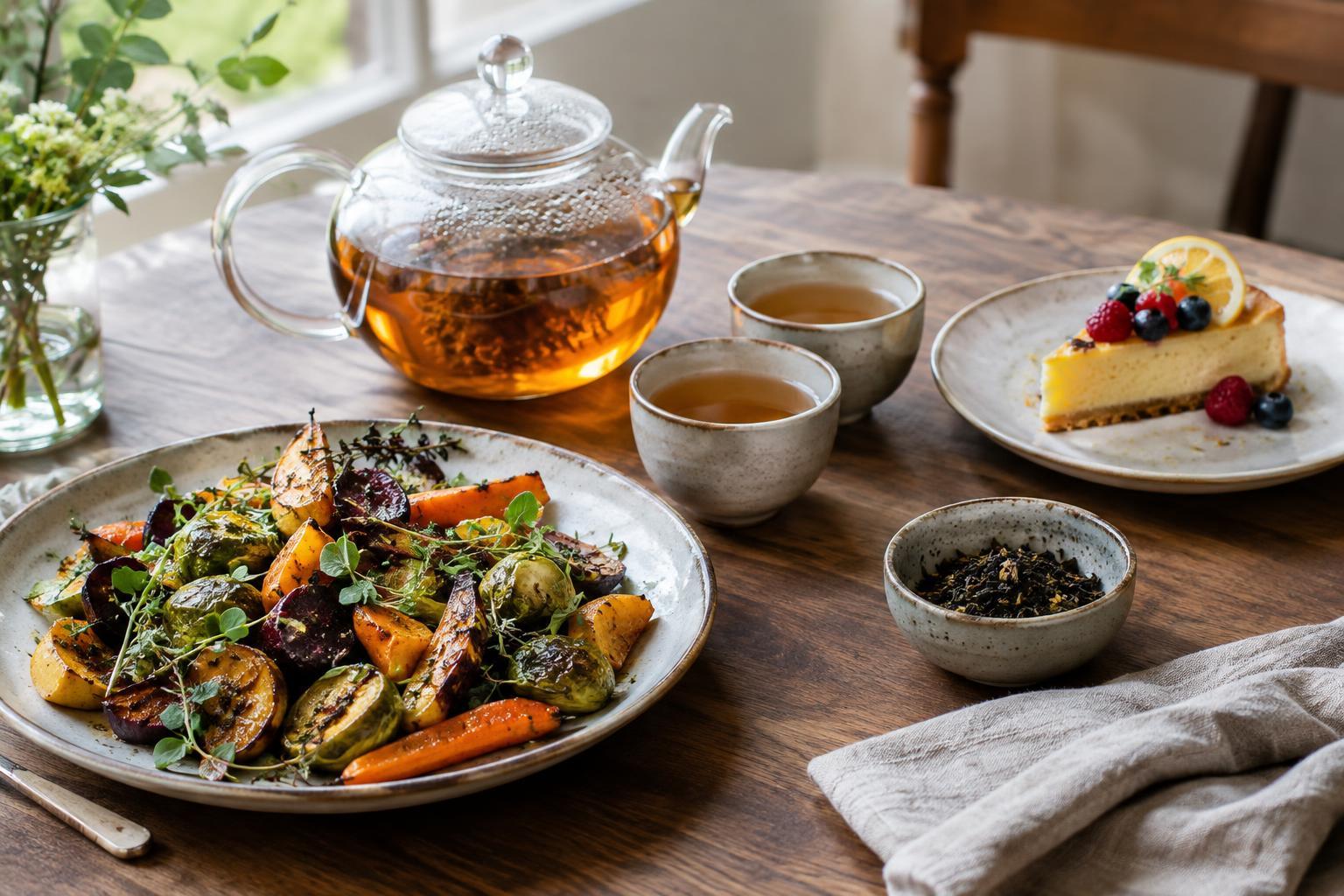
If you plan to serve a drink with dessert, consider the two together without making the pairing complicated. Unsweetened tea or coffee can sit comfortably beside a sweet tart. Water is always worth keeping on the table, especially after a salty meal. A dessert should also stand on its own; guests who skip the accompanying drink should still enjoy a complete final course.
Make room for the people at the table
The most fitting dessert is one your guests can enjoy. Ask about dietary needs when planning the meal rather than waiting until the final course. If a guest avoids dairy or nuts, for instance, a thoughtfully chosen fruit dessert that everyone can share may be more hospitable than preparing one elaborate dessert and a last-minute substitute. Check ingredients carefully when an allergy is involved.
Finally, leave some flexibility. Offer a choice between a small sweet serving and fresh fruit, or put a dessert in the center of the table so people can take the amount they want. A successful ending does not have to be dramatic. When its flavor, size and timing make sense after the meal, dessert feels less like an extra course and more like its natural conclusion.