Starting with favorite dishes instead of the whole meal
A menu often begins with a dish someone is excited to make. The trouble starts when every other course is chosen the same way. A creamy starter, a roast with a buttery side and a dense dessert might each be inviting on its own. Together, they offer little relief. Planning a meal means looking beyond whether dishes are good individually and asking what it will feel like to eat them in sequence.
Before settling on recipes, write a short description of each course: its main ingredient, cooking method, texture and strongest flavor. This makes patterns easier to see. If several descriptions include words such as creamy, fried, sweet or slow-cooked, consider changing one course rather than trying to fix the entire menu with smaller portions.
Repeating richness without adding contrast
Richness is not a mistake. It gives a dish depth and can make a meal feel generous. Repetition is the problem: cheese in the first course, a cream sauce in the main and custard for dessert may leave guests wishing for something crisp or bright. Even a light-looking salad can add to the effect if it arrives under a heavy dressing.
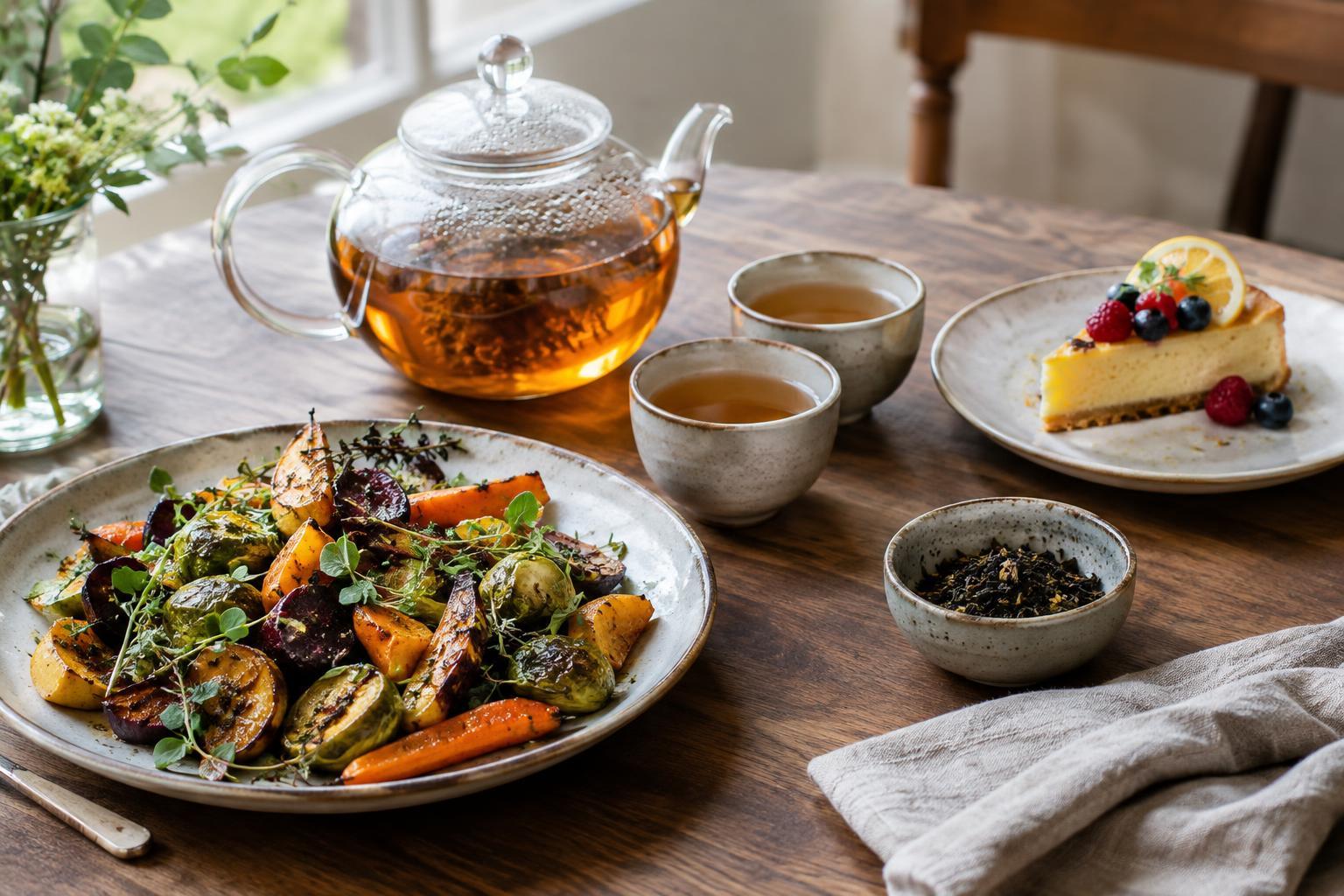
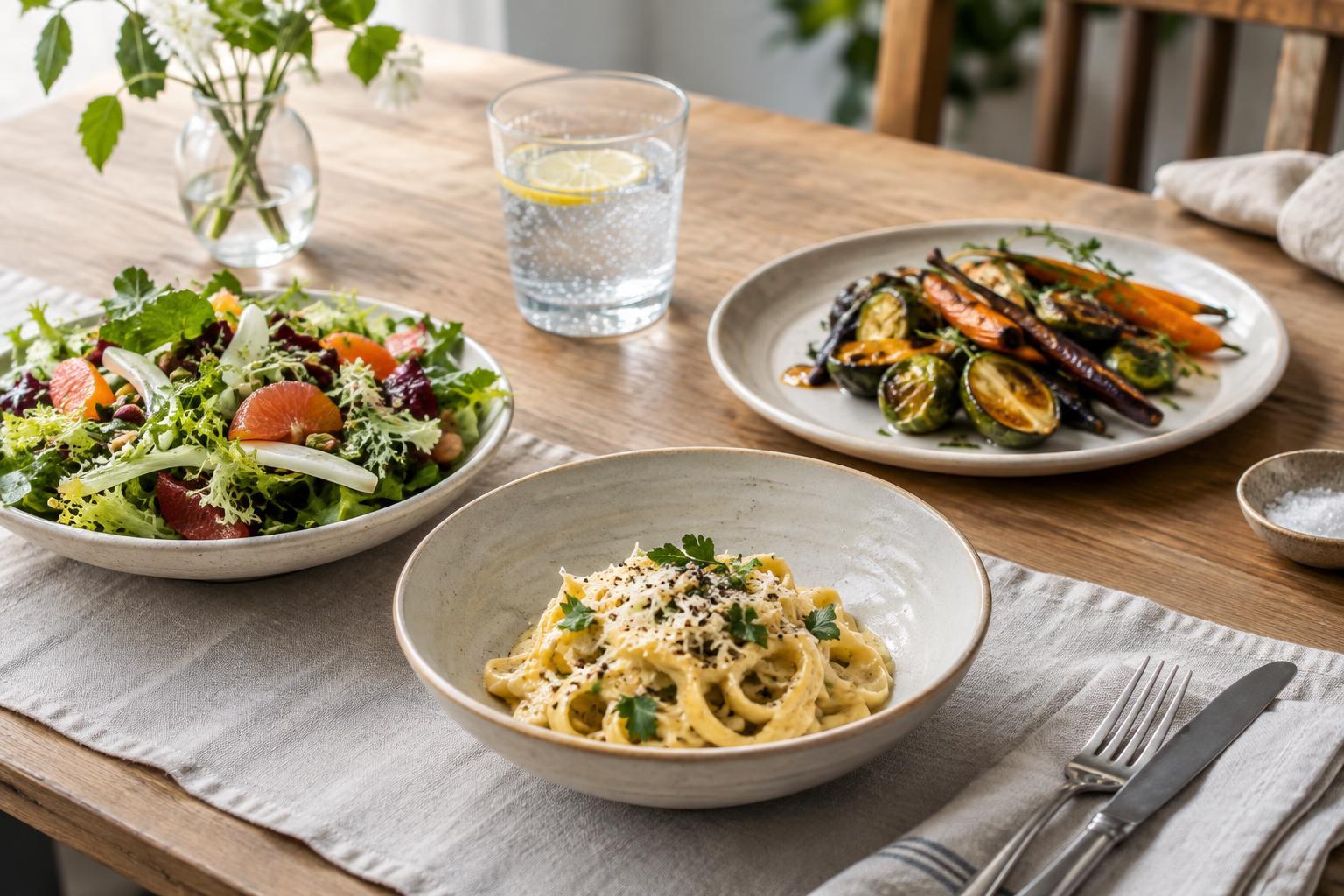
Give rich dishes a partner with a different character. A sharp vinaigrette can lift roasted vegetables; a squeeze of citrus or a spoonful of pickled vegetables can brighten a savory plate. If the main course is substantial, a starter built around raw vegetables, broth or fruit may provide a welcome change. Contrast should support the dishes, not turn every course sour or austere.
Serving the same texture course after course
Repetition is not only about ingredients. A soft soup followed by a creamy pasta and a pudding asks for the same kind of eating throughout the meal. Similarly, a series of crisp or fried plates can become tiring, even when their flavors differ. Texture helps create a sense of movement from one course to the next.
Look for a mix of tender, crunchy, silky and chewy elements, without forcing all four onto every plate. Toasted breadcrumbs on vegetables or fresh herbs over a stew can provide a small shift. A crisp salad before a soft main course creates a larger one. When choosing a garnish, ask whether it changes the experience of the dish; if it only repeats what is already there, it may not be needed.
Overlooking portion size and the order of courses
A balanced menu on paper can still feel heavy when every course is served as though it were the main event. A generous starter leaves less room to appreciate the centerpiece, while several substantial side dishes can make a modest main seem oversized. Portions need not be tiny, but they should reflect how many dishes are coming and which one is meant to anchor the meal.
Order matters, too. Moving from delicate flavors to more robust ones usually makes each easier to notice. If a bold, spicy or deeply savory starter comes first, a subtle dish immediately afterward may seem flat by comparison. There is no fixed rule for every dinner, but reading the menu aloud in serving order can reveal awkward transitions. Imagine finishing one plate and receiving the next: does it feel like a change of pace or more of the same?
Treating pairings as matches rather than a chance to refresh
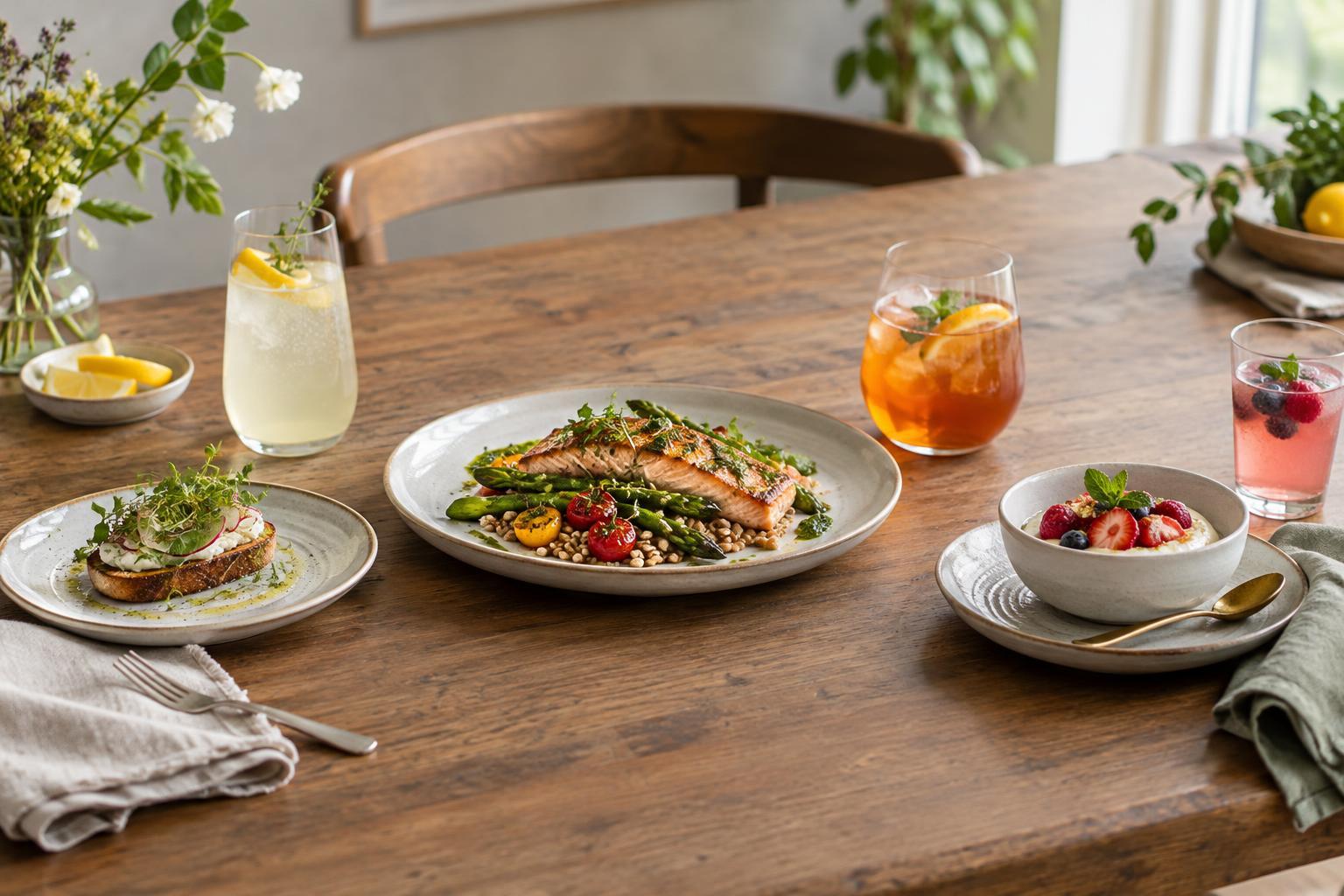
Pairings extend beyond wine. Bread, sauces, drinks and even the choice of dessert can reinforce a menu’s heaviest qualities. Serving buttery bread with a rich starter may be comforting, but adding a creamy sauce and a sweet drink can crowd the plate. A pairing is useful when it gives diners a reason to return for another bite, not merely when it shares an ingredient or flavor with the food.
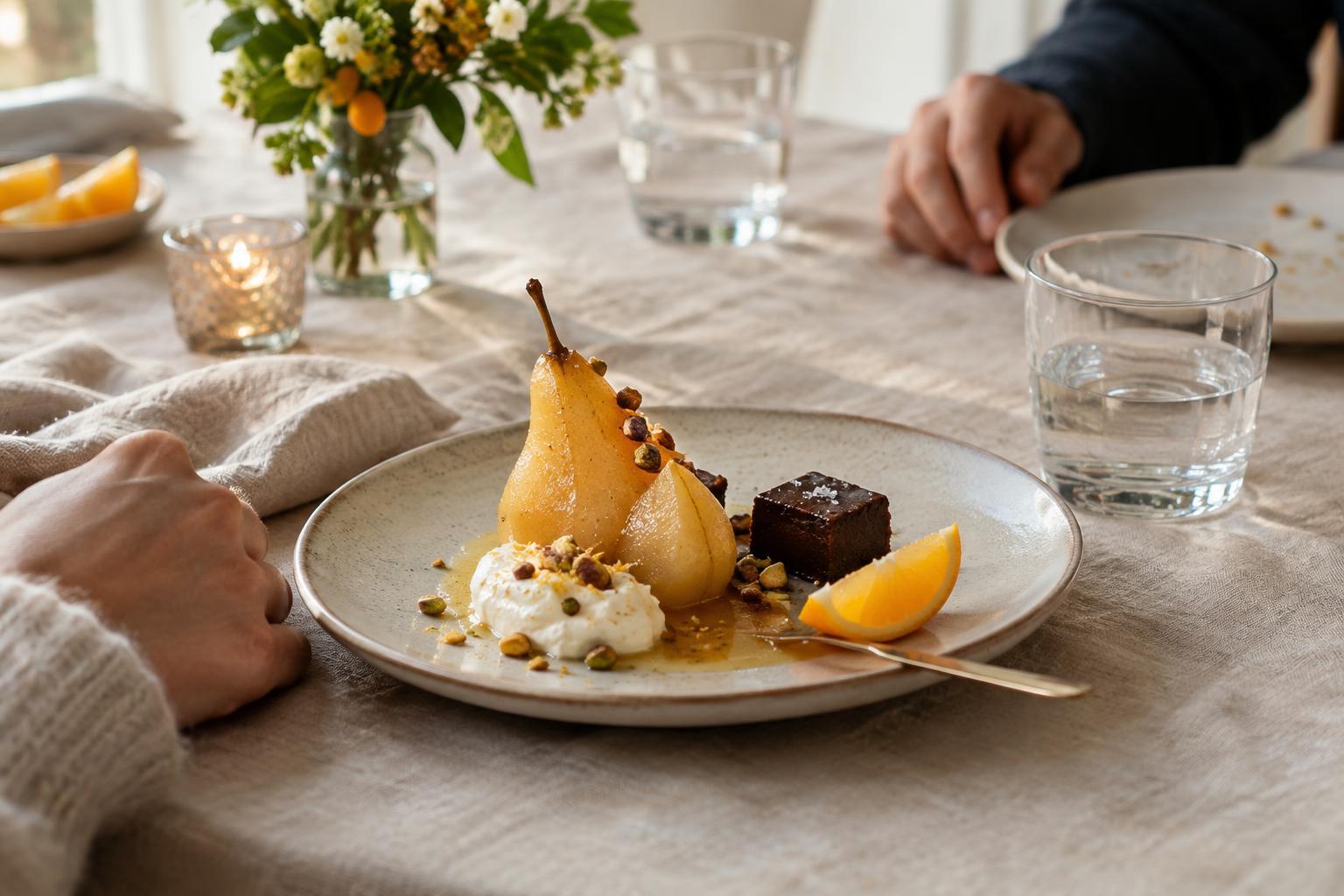
Consider what the menu is missing before adding anything. Water, an unsweetened drink or a lightly flavored nonalcoholic option can sit comfortably alongside a rich meal. A simple fruit dessert may finish it more pleasantly than another dense preparation. The goal is not to make every course light; it is to leave room for each course to be enjoyed. A final review of richness, texture and serving size can turn a collection of favorite dishes into a meal with a clear, satisfying rhythm.