Why color is only a starting point
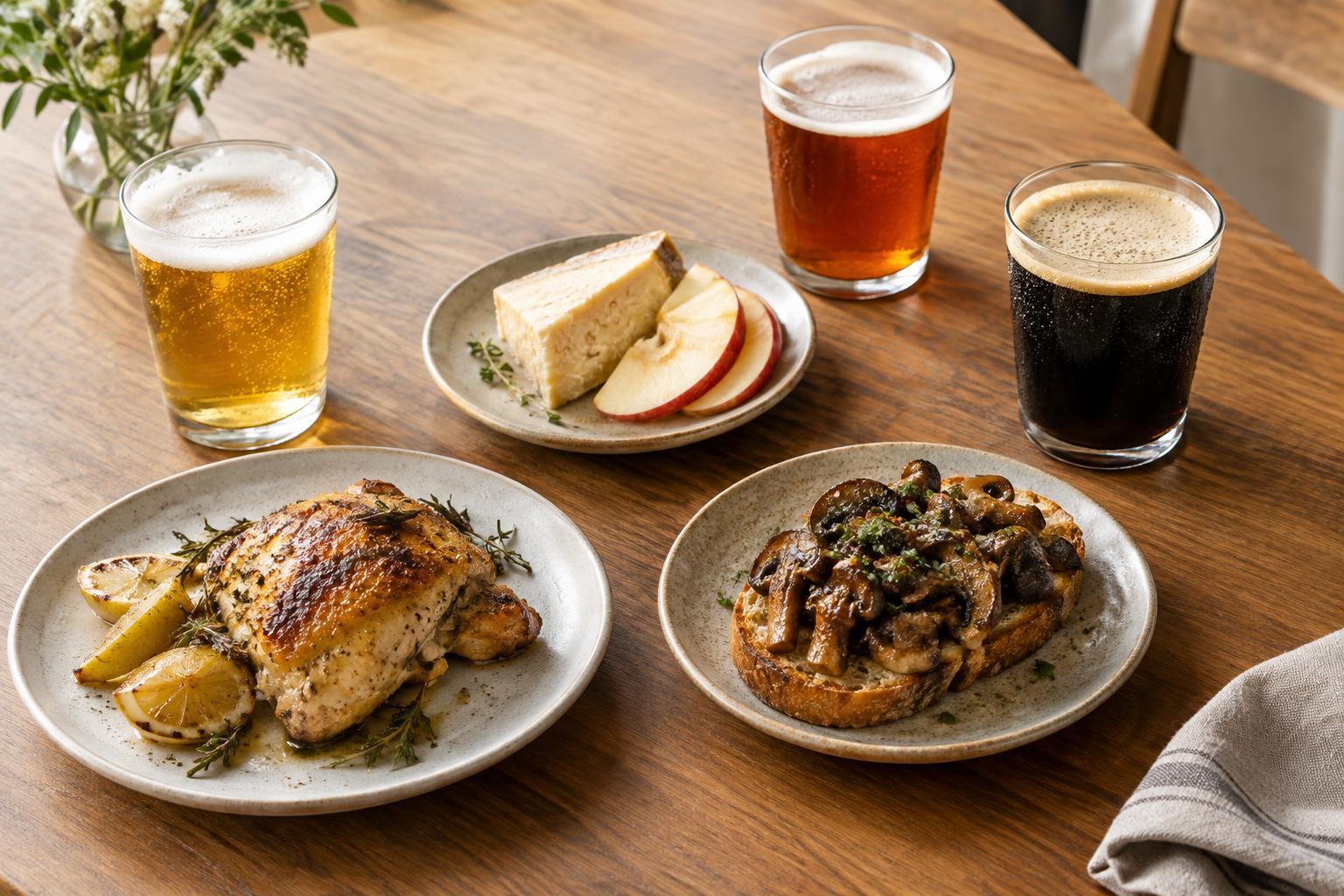
It is tempting to pair beer and food by appearance: pale beer with fish, dark beer with roast meat. Color can offer a clue about the malt used in a beer, but it says little on its own about weight or flavor. A dark beer may feel dry and light on the tongue, while a golden beer may be rich, sweet or strongly bitter.
Begin instead with two questions: How intense is the dish, and what makes it distinctive? A simply cooked vegetable needs a different partner from the same vegetable coated in chili oil. Likewise, a beer’s most important feature may be its crisp finish, toasted malt, fruity aroma or firm bitterness rather than its shade in the glass. Once you identify those features, pairing becomes a practical choice rather than a rule to memorize.
Match the weight before the flavor
A useful first step is to match the perceived weight of the beer and the food. Light, clean beers tend to leave room for delicate ingredients such as steamed fish, fresh herbs or mild cheeses. Fuller-bodied beers can stand beside slow-cooked dishes, rich sauces and strongly seasoned food without disappearing. Neither partner has to taste alike; they simply need enough presence to share the table.
Consider the whole plate, not just its main ingredient. A chicken dish with lemon and greens may call for a different beer from chicken served with a creamy sauce and browned mushrooms. If a pairing seems flat, ask whether one side is overwhelming the other. A smaller pour or a less forceful beer may help you hear the quieter flavors in the food.
Use contrast with care
Beer can refresh the palate between bites. Carbonation can make fried foods feel less heavy, while a dry finish can provide relief from a buttery sauce. A crisp lager with salty fries is an approachable example: the beer does not copy the food’s flavor, but its briskness invites another bite.
Bitterness needs more attention. It can balance richness, yet it may also make chili heat feel sharper or clash with a very bitter vegetable. With spicy food, try a beer that is gently bitter and has some softness or fruitiness, then adjust to taste. Sweetness can offer contrast too: a beer with a little residual sweetness may soften the edge of a salty or hot dish. The aim is balance, not a contest to see which flavor speaks loudest.
Find a connection on the plate
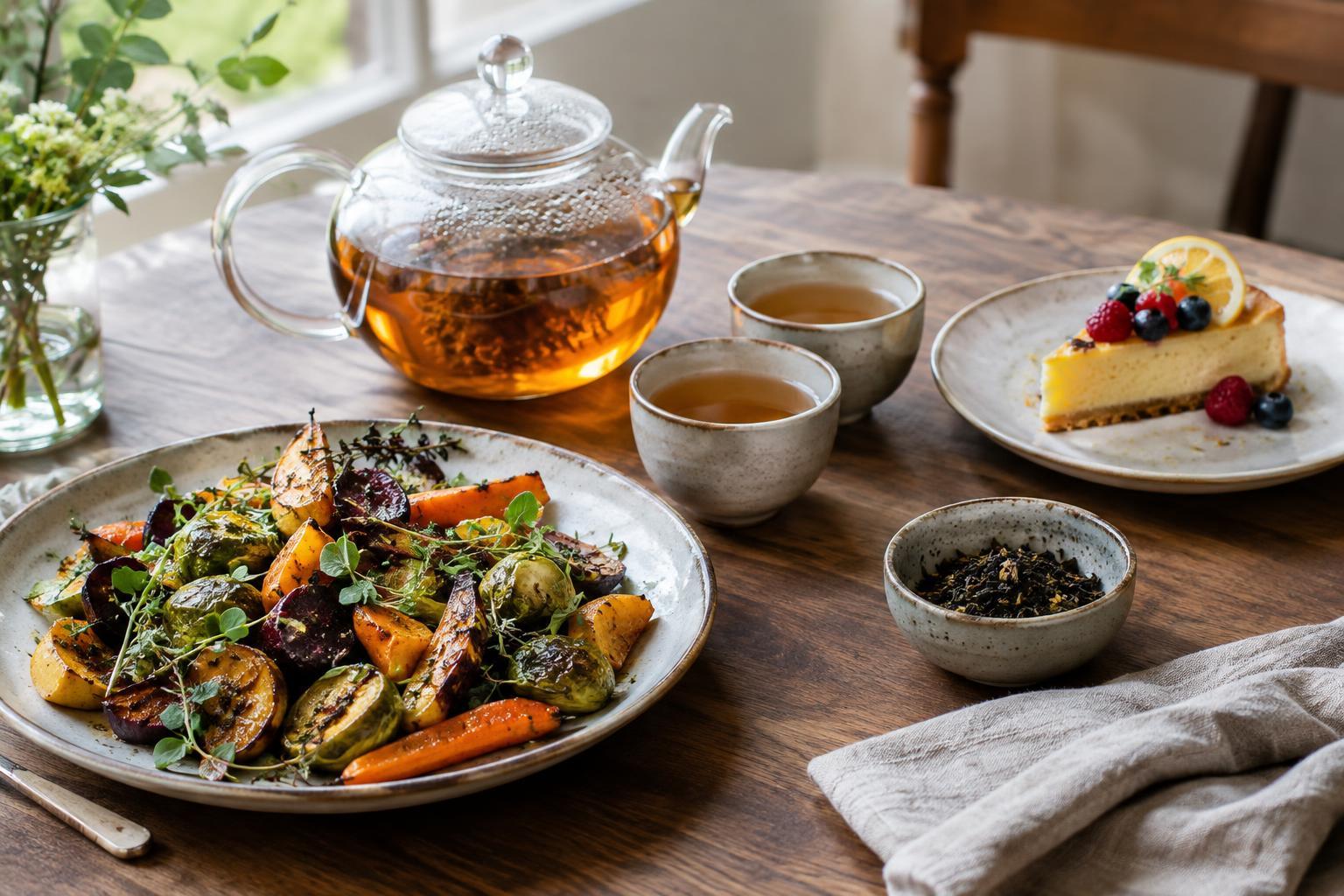
Complementary pairings link flavors that already belong together. Toasty malt can echo the browned edges of roast vegetables or grilled bread. A beer with citrus-like hop aromas may suit a dish finished with lemon, while a fruit-forward beer can pick up the notes in a sauce or chutney. These connections are often more reliable when the shared flavor is easy to notice in both the glass and the food.
Pay attention to condiments and garnishes. Pickles, mustard, herbs and sweet glazes can shape a bite more than its central ingredient does. An earthy beer might work with mushrooms but feel awkward once a sharp vinegar dressing is added. When planning a menu, taste the finished dish before settling on the beer; pairing an ingredient in isolation can miss the character of what guests will actually eat.
Make tasting a small experiment
You do not need a large beer selection to learn what works. Choose two different beers and one dish. Taste the food first, sip each beer on its own, then try the food and beer together. Notice whether the pairing makes a flavor clearer, softens an edge or leaves an unpleasant finish. Take another bite before deciding; a promising first sip may become tiring over a full plate.
For a meal with several courses, favor flexibility over a rigid progression from pale to dark. A crisp, moderate-intensity beer may work across starters and lighter mains; a fuller beer can come later if the food grows richer. Serve water alongside and offer an alcohol-free option for anyone who wants one. Above all, treat pairing suggestions as invitations to pay attention. The best match is the one that makes both the dish and the drink more enjoyable to you.