Two ways to shape a meal
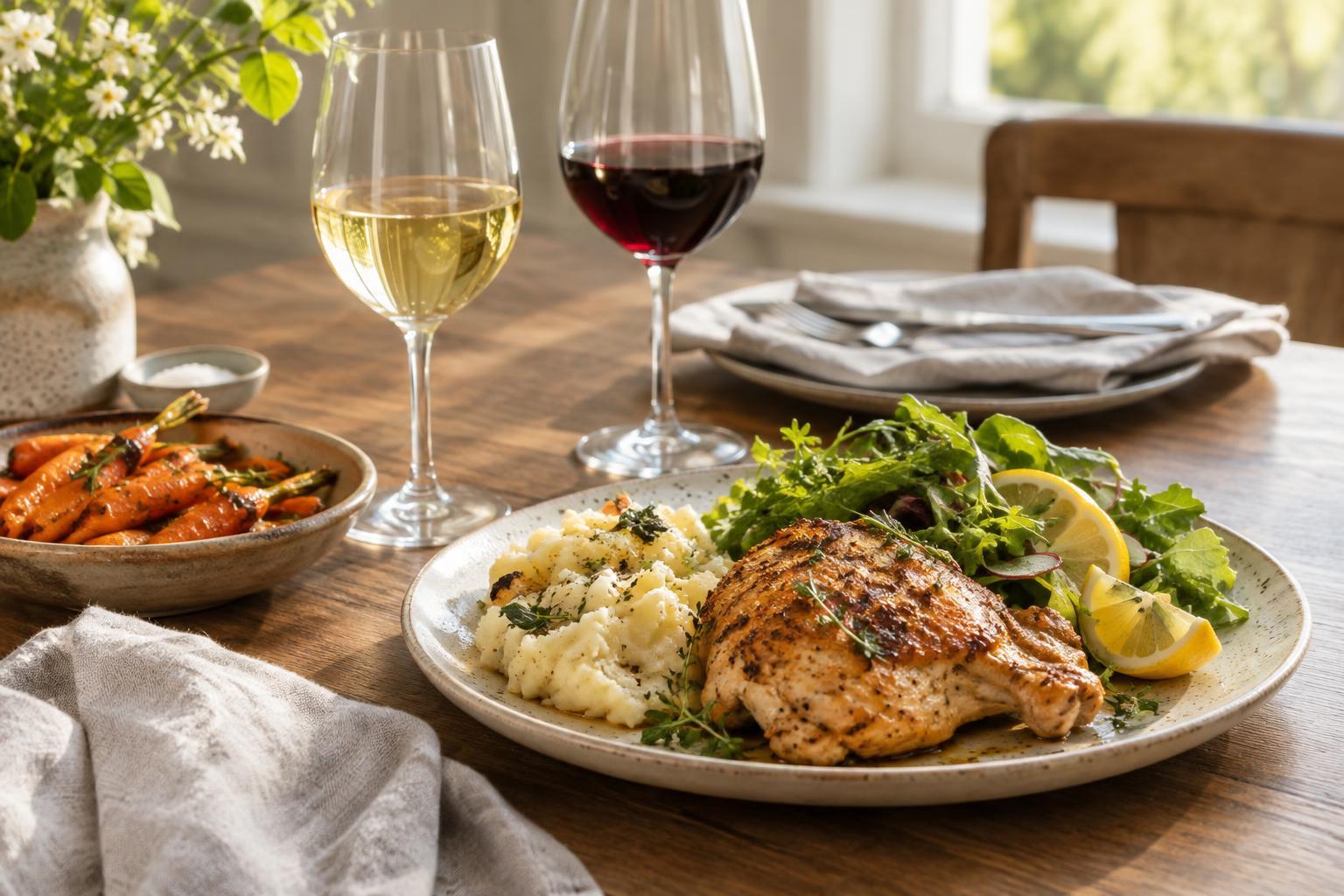
On an à la carte menu, dishes are listed and priced individually. You might order a starter and a main, share several plates, or skip dessert. The choices are yours, though a kitchen may suggest a particular order for serving dishes. The total depends on what you select.
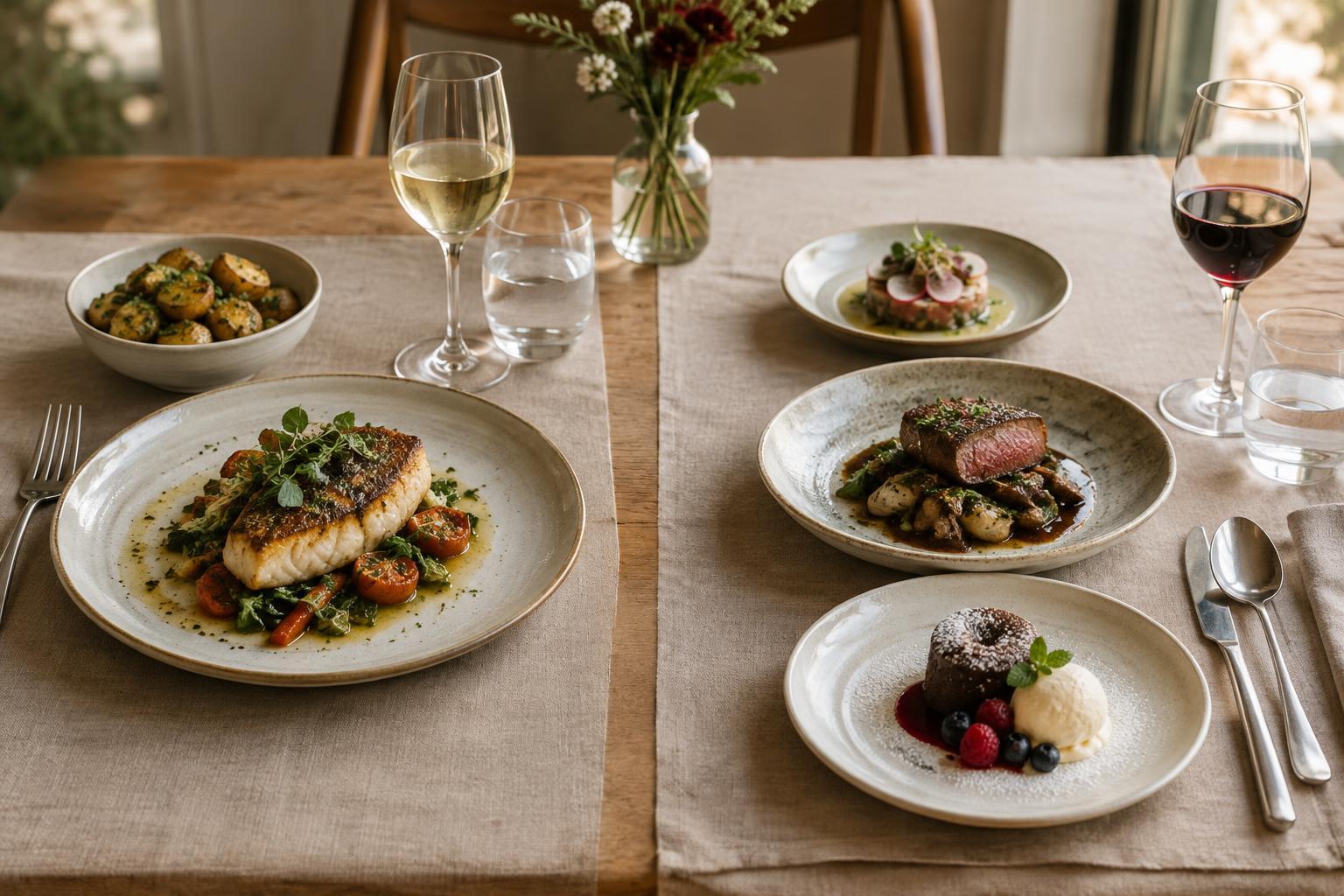
A prix fixe menu offers a set meal for a stated price. It might give you a choice of dishes within each course, or it might present one planned sequence. Neither format tells you, by itself, how formal or adventurous the food will be. The useful question is how much of the meal you want to design yourself.
Compare the full cost, not just the headline price
À la carte can be economical if you prefer a smaller meal, but individual dishes add up. Before deciding, consider how many courses you would actually order, whether plates are intended for sharing, and whether sides are included. A low-priced main may be less of a bargain if you would also want vegetables or another accompaniment.
A prix fixe price makes the core meal easier to anticipate, but it may not cover every choice on the menu. Some restaurants charge extra for particular dishes, additional courses or substitutions. Drinks and optional pairings are often separate, and any service charge, tax or gratuity treatment depends on the restaurant and location. Read the menu’s details or ask what the stated price includes before treating it as your final total.
Think about appetite, choice and dietary needs
À la carte gives diners room to follow their appetite. It suits someone who wants one substantial dish, a table eager to share, or companions with different ideas about how many courses make a meal. That freedom can also require more decisions, especially when a menu has many appealing dishes or when the table needs to agree on shared plates.
Prix fixe can take some of that work away. A planned sequence may introduce ingredients or preparations you would not have picked on your own, with portions designed to make sense across several courses. In exchange, there may be fewer alternatives. If you have an allergy, dietary restriction or strong dislike, check the available options before committing. A restaurant may be able to adapt a dish, but it is better to ask than to assume.
Match the menu to your time at the table
The two formats can create different rhythms. With à la carte, you can often keep the meal simple or add another course if you have room. A prix fixe meal has a more defined progression, which can make an occasion feel complete without the table repeatedly deciding what comes next. More courses can also mean more time at the table.
If you have a later engagement, tell the restaurant before ordering and ask whether your preferred menu fits the time available. Likewise, if you hope to linger, it helps to know whether the meal is paced as a short set menu or a longer tasting experience. The menu format is a clue, but the number of courses and the restaurant’s service style matter more.
Choose pairings on your own terms
A prix fixe menu may offer a beverage pairing for each course, while an à la carte meal invites you to choose drinks around the dishes you order. Neither approach requires alcohol. A single glass, a shared bottle where appropriate, or nonalcoholic options may suit the meal better than a full pairing. If you are considering one, ask about its price, serving sizes and available alternatives.
The best menu is the one that fits the evening you want. Choose à la carte when flexibility, sharing or a lighter meal is the priority. Choose prix fixe when the proposed sequence appeals to you and its choices meet your needs. In either case, a quick look at what is included—and a question when something is unclear—lets you settle in and enjoy the food.