Start with the shape of the meal
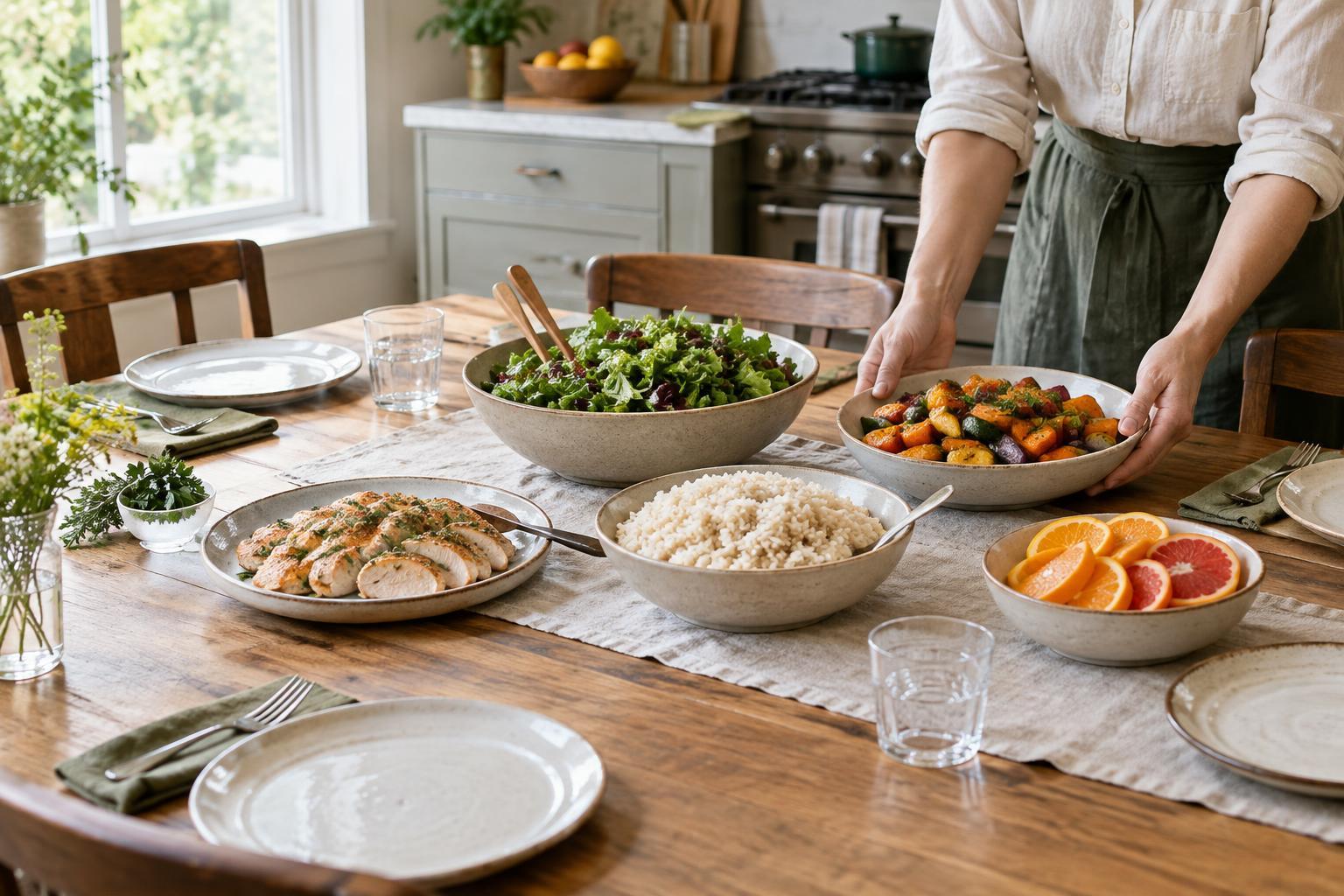
Before studying every dish, decide what kind of meal you want. Are you looking for a quick main course, a leisurely dinner with several plates, or a few dishes to share? Balance looks different in each case. A single bowl can bring together vegetables, a substantial ingredient and a flavorful sauce; a longer meal can spread those elements across courses.
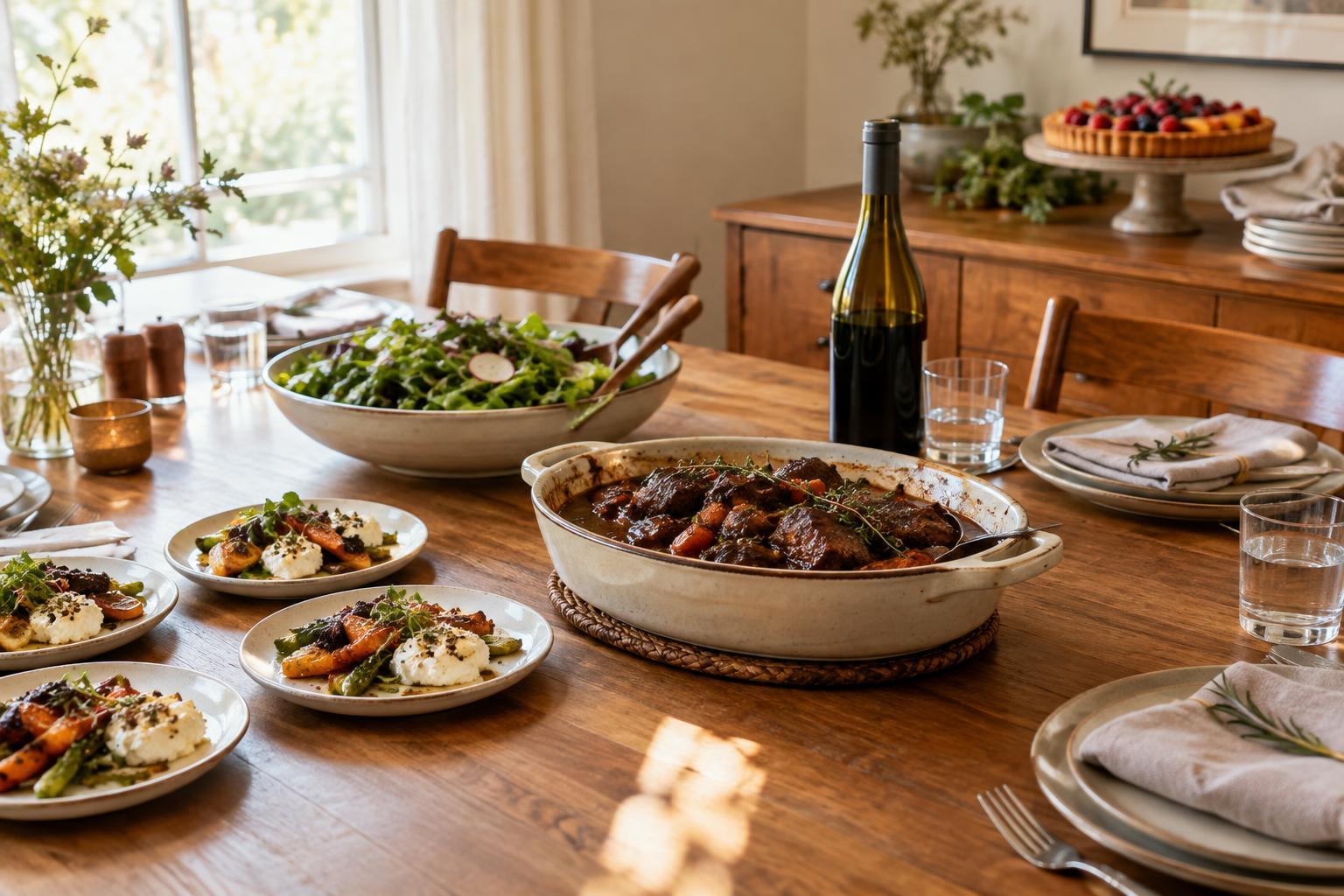
Look over the menu as a whole rather than choosing an appetizer, main and side in isolation. If several appealing dishes are rich or similarly seasoned, consider adding something crisp, fresh or simply prepared. You do not need every plate to do everything. The aim is a meal with enough variety to remain enjoyable from the first bite to the last.
Read beyond the dish name
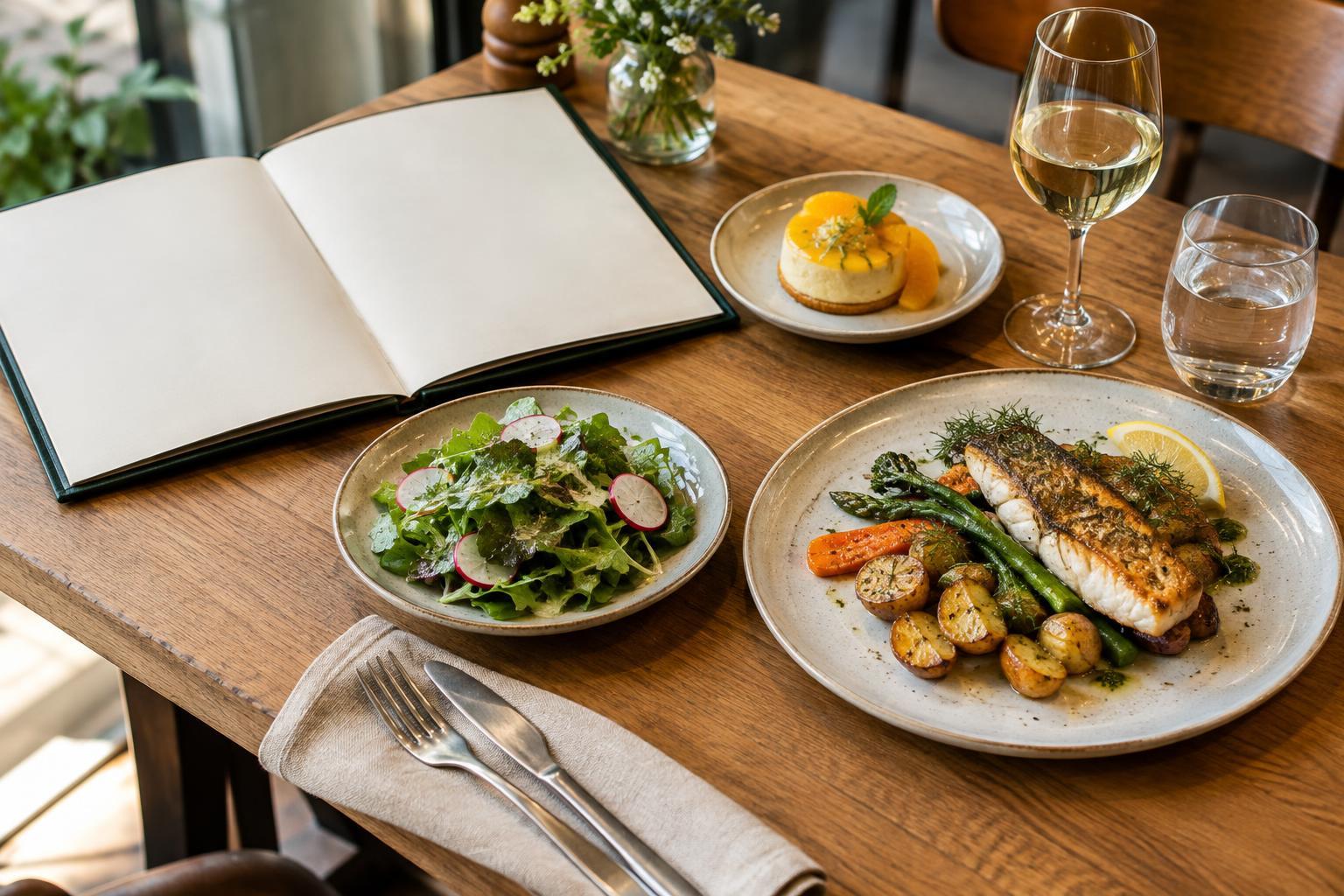
Menu descriptions often reveal more than their titles. Words such as grilled, roasted, braised, fried, pickled and raw suggest different textures and levels of richness. A roasted vegetable dish with a creamy dressing may feel quite different from the same vegetable served with herbs and citrus. Ingredients listed after the main item—sauce, garnish, grains or greens—can tell you how complete the plate might be.
Notice what the description does not make clear, too. “Market vegetables” could be a generous part of a dish or a small accompaniment. A pasta might arrive as a modest course or a filling main. If that distinction matters to your order, ask the server how a dish is served. A short, specific question is more useful than trying to decode every menu convention.
Use contrast to choose dishes that work together
One way to build a satisfying order is to vary texture and intensity. A silky soup can lead into something with crunch; a deeply savory main can sit well beside a bright salad. Acidity from citrus, vinegar or pickled ingredients may make a rich dish feel less heavy, while a warm grain or potato side can make a lighter plate feel more substantial.
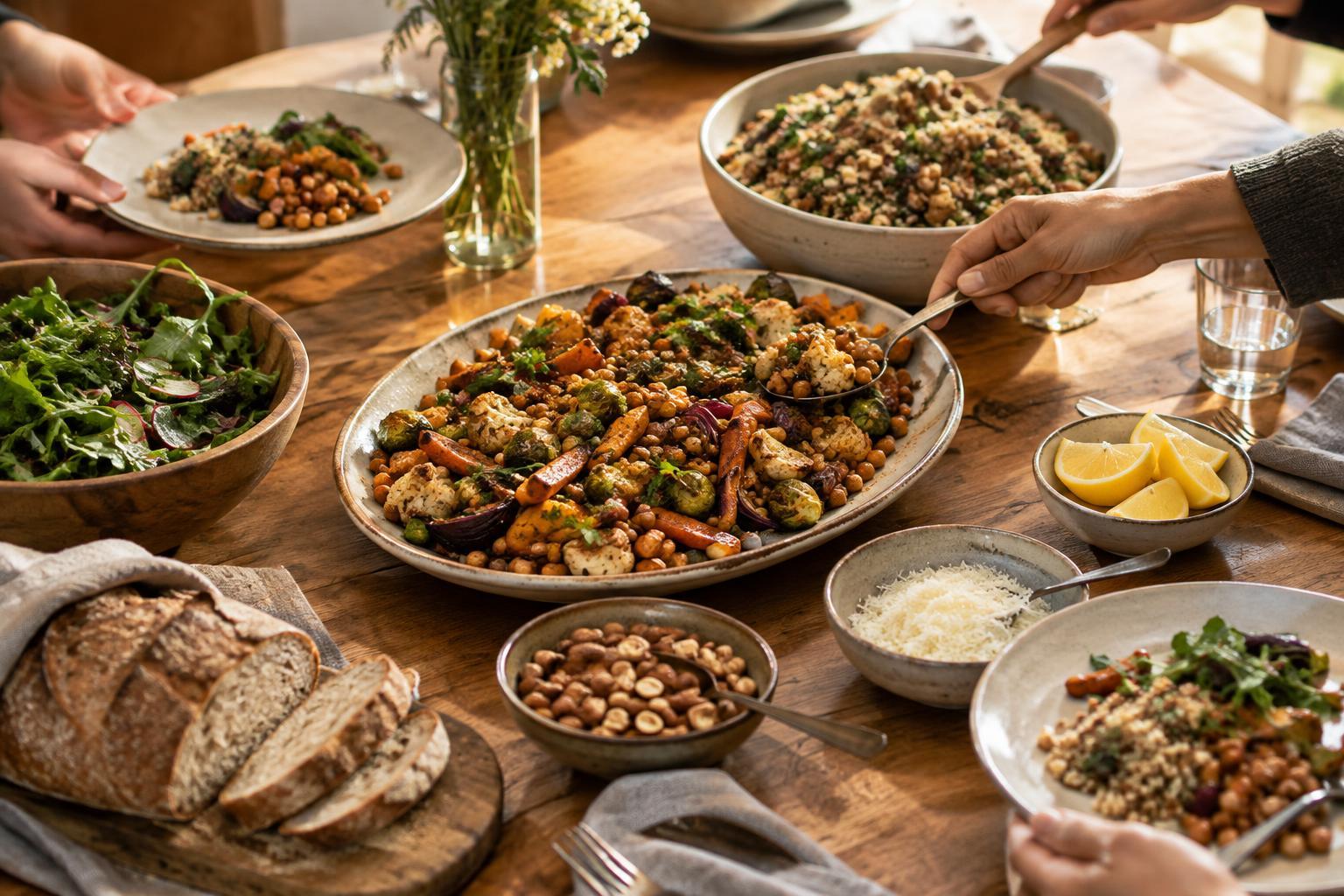
Contrast is especially helpful when sharing. If the table orders several fried or creamy plates, each may be delicious, but they can begin to feel alike. Consider mixing cooking methods and dominant flavors: perhaps one roasted dish, one fresh preparation and one dish with a sauce everyone wants to try. This is a guide to enjoyment, not a requirement to avoid particular foods.
Consider what is included—and what you might add
Some menu items are designed as complete plates, while others leave room for sides. Scan for the main ingredient, vegetables and any bread, rice, pasta or other substantial accompaniment. If a dish sounds appealing but spare, a side may round it out. If it already includes several components, an extra course might be better chosen for a different flavor rather than for sheer quantity.
Your appetite and preferences matter more than a fixed ordering formula. You might prefer two starters instead of a main, share a large plate, or leave room for dessert. If you have an allergy or a dietary restriction, ask the restaurant directly about ingredients and preparation rather than relying on a brief printed description.
Let drinks and dessert support the meal
A pairing need not be complicated. Think about whether a drink offers refreshment, echoes a flavor in the food, or provides contrast. Sparkling water can feel lively alongside rich dishes; an unsweetened tea may suit a gently seasoned meal. If choosing an alcoholic drink, consider its weight and intensity as well as its flavor. There is no need to find a perfect match.
Dessert can be part of a balanced experience, not a test of whether the earlier choices were correct. After a rich meal, you may want fruit or something small to share; after a lighter one, a creamy or chocolate dessert might be especially welcome. Read the menu for possibilities, then order according to your appetite. The most useful definition of balance is a meal that feels varied, comfortable and worth savoring.