Choose an ingredient with room to change
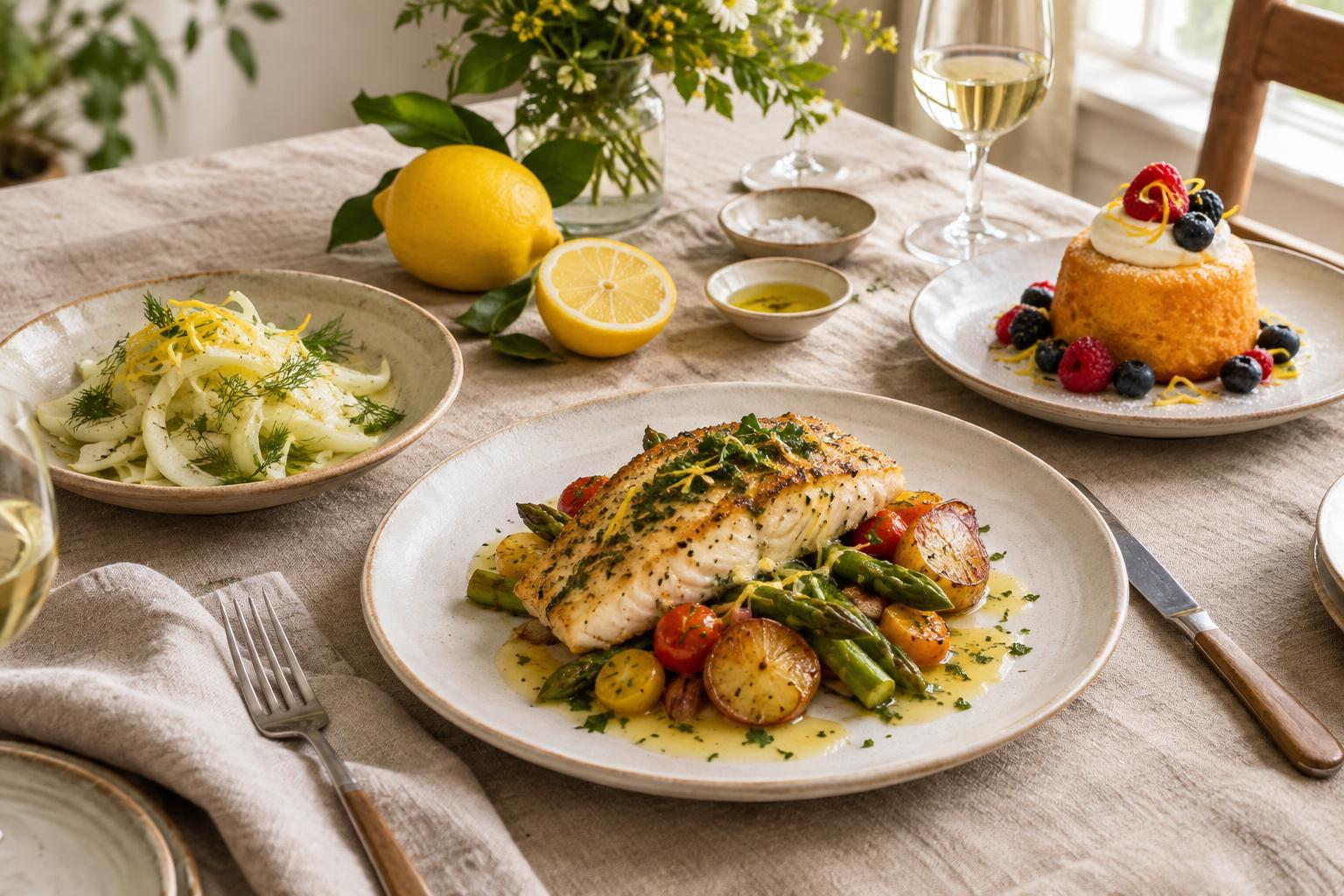
A dinner menu can feel more deliberate when a flavor appears more than once. The trick is to treat that ingredient as a thread, not a rule for every dish. Lemon, for example, can sharpen a dressing, brighten a cooked dish and scent a dessert. Those uses are related, but they need not taste repetitive. Start with an ingredient you enjoy and can use in at least two genuinely different ways.
Versatility matters more than novelty. Herbs, citrus, nuts, mushrooms and certain vegetables can all play different roles depending on how they are prepared. Ask whether your chosen ingredient can provide freshness in one course and depth or texture in another. If every idea calls for the same technique—a spoonful of the same sauce on three plates—choose a different thread or use it in fewer places.
Give it a different job in each course
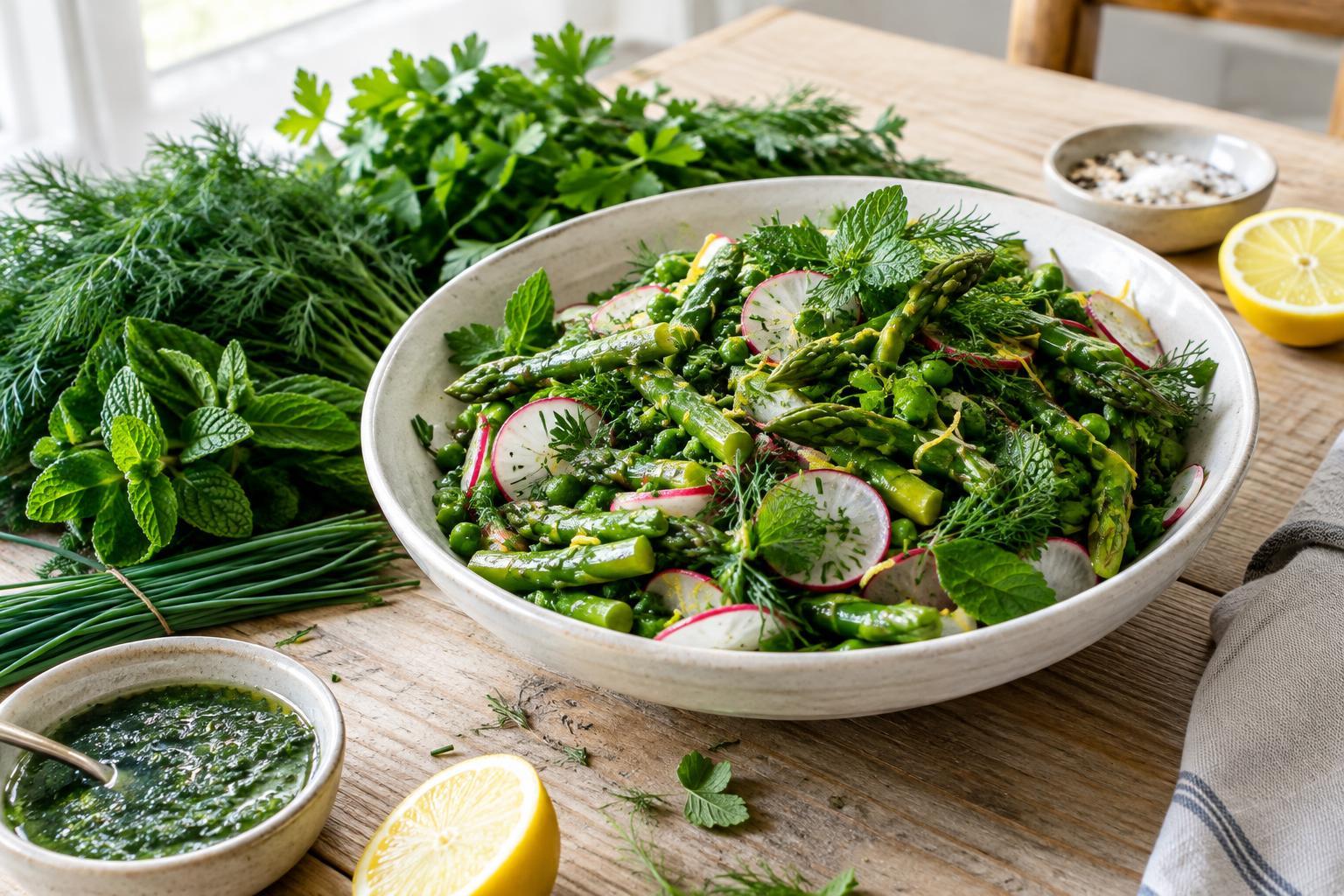
Sketch the courses before deciding where the shared ingredient belongs. It might be prominent in the starter, nearly hidden in the main course and present only as an aroma in dessert. For a menu built around orange, a small amount of zest could lift a salad, juice could add brightness to a glaze, and segments could bring a fresh finish to a simple dessert. The goal is not to display every possible use. It is to give each dish a reason to be on the menu.
Changing form helps, but changing intensity is just as important. A strongly flavored ingredient can dominate if it appears at full volume throughout the meal. If a main dish features mushrooms as its centerpiece, a starter might use a few crisp mushrooms for texture rather than another generous serving. You can also let the ingredient skip a course entirely. A quiet gap often makes its return more welcome.
Build contrast around the recurring flavor
The other components should keep the courses distinct. Vary temperature, texture and richness: a cool, crunchy starter can lead to a warm, tender main course, while a light dessert can close the meal. Consider acidity and sweetness, too. If the starter is tangy, a milder main may offer relief. If the main course is rich, avoid making the shared ingredient part of another heavy sauce unless the rest of the plate provides contrast.
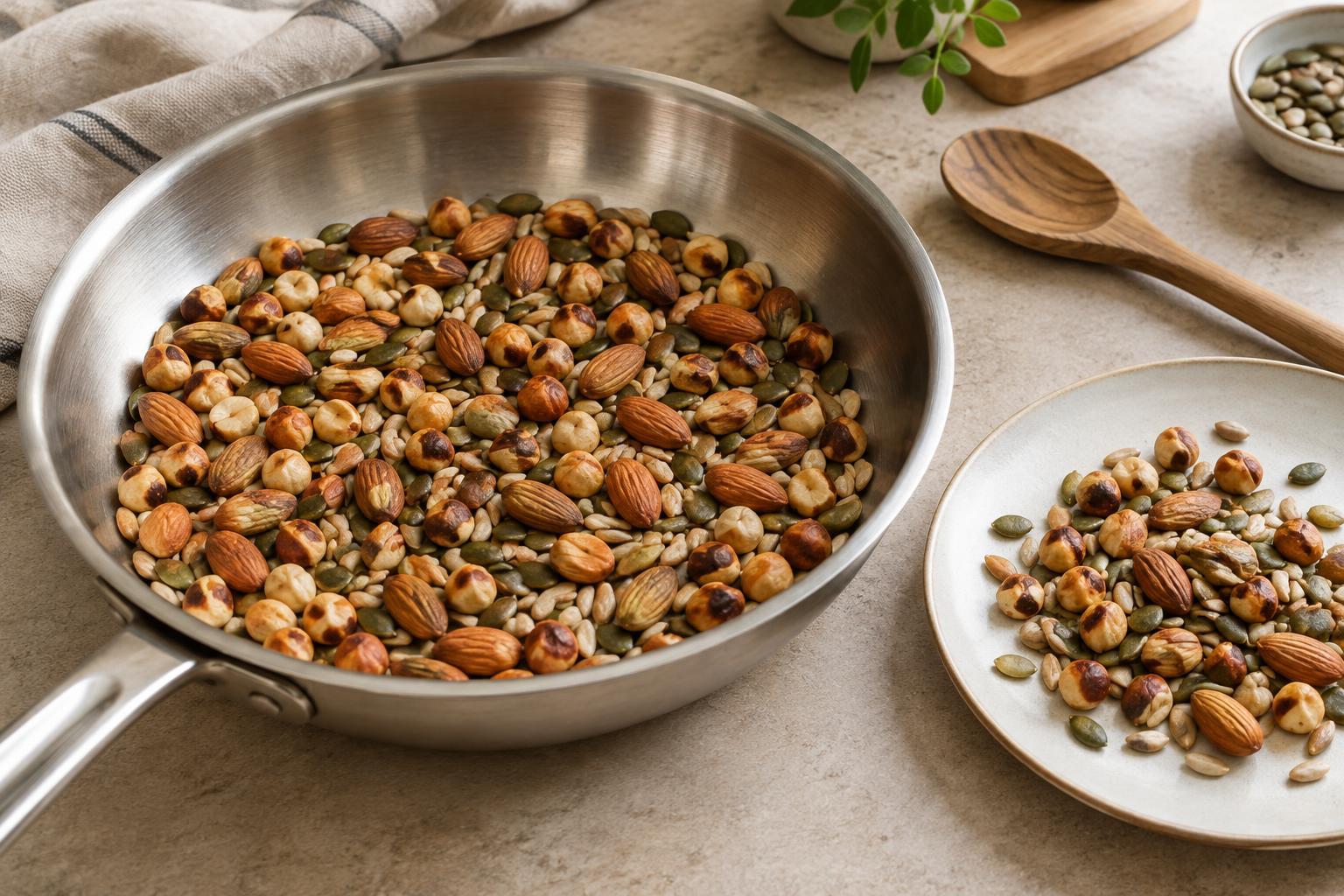
Suppose you choose almonds as the thread. A few toasted pieces could add crunch to a vegetable starter. In the main course, finely ground almonds might lend body to a sauce or form a light coating. Dessert could use almond flavor more directly, paired with fruit. That plan works best when the surrounding ingredients change enough that each course has its own character. Before committing, read the menu from beginning to end and notice whether any texture or flavor appears too often.
Keep the plan practical in the kitchen
A shared ingredient can simplify shopping, but it does not automatically simplify cooking. Three preparations of the same item may create three separate tasks. Check which steps can happen ahead of time and which require attention just before serving. Toasting nuts for two dishes at once may be convenient; preparing two delicate sauces while guests are seated may not be. Choose the version of each dish that lets you serve it well.
Finally, write a short menu description for yourself, even if guests will never see it. Name the main ingredient and its purpose in each course: crunch in the starter, brightness in the main, fragrance in dessert. If two descriptions sound almost identical, revise one dish. A recurring ingredient should make the meal feel connected, while each course still offers something new.