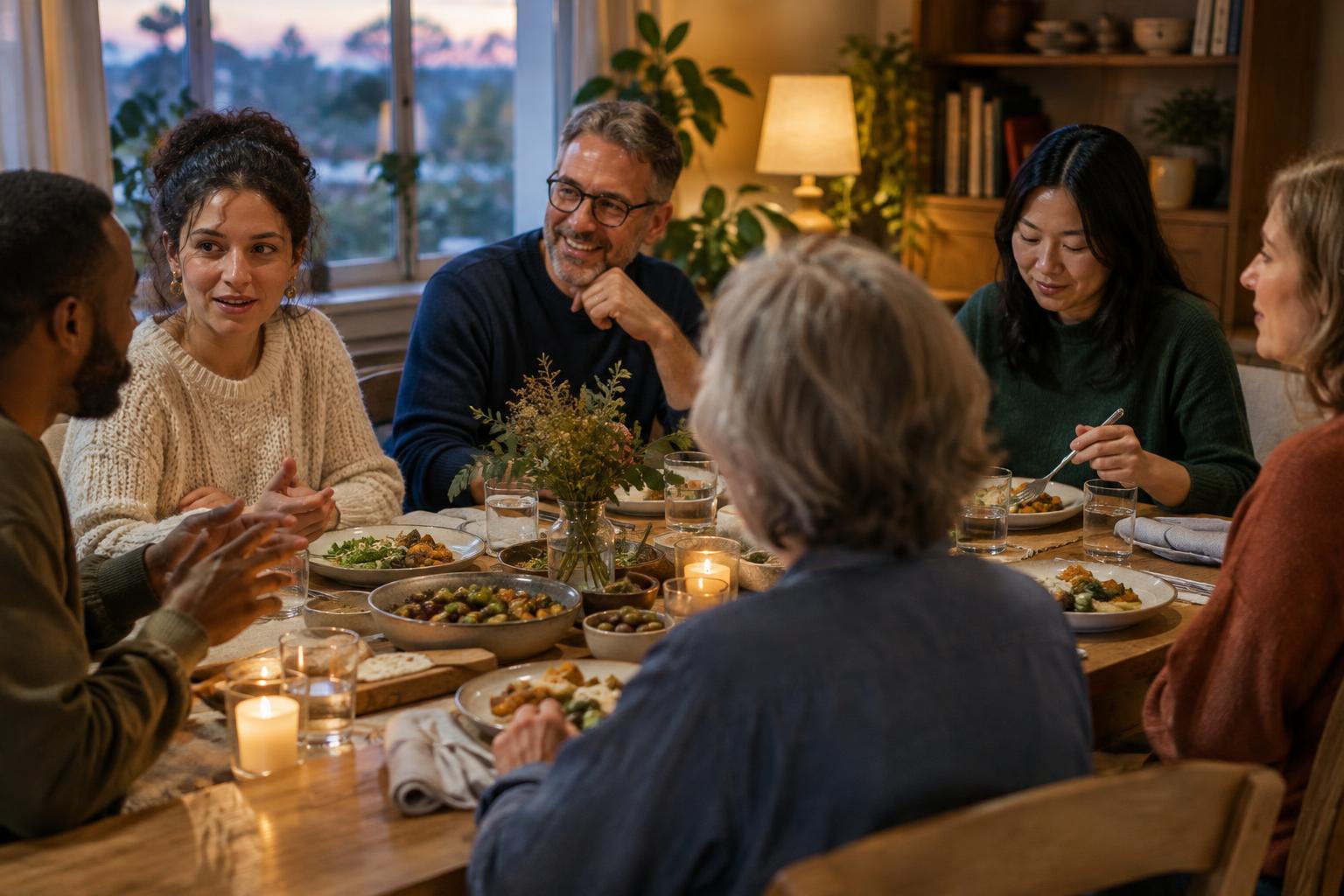
Start with people, not the empty room
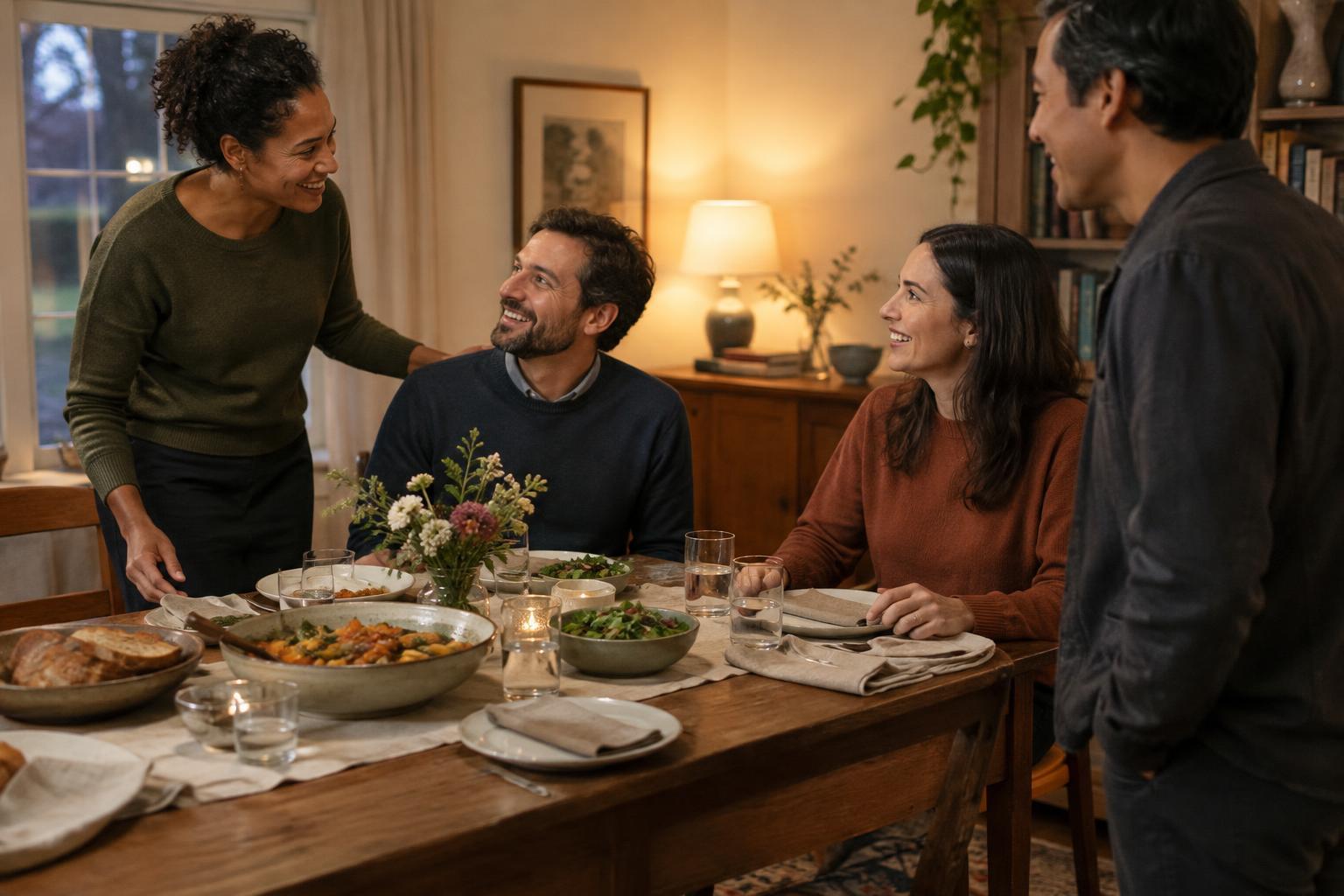
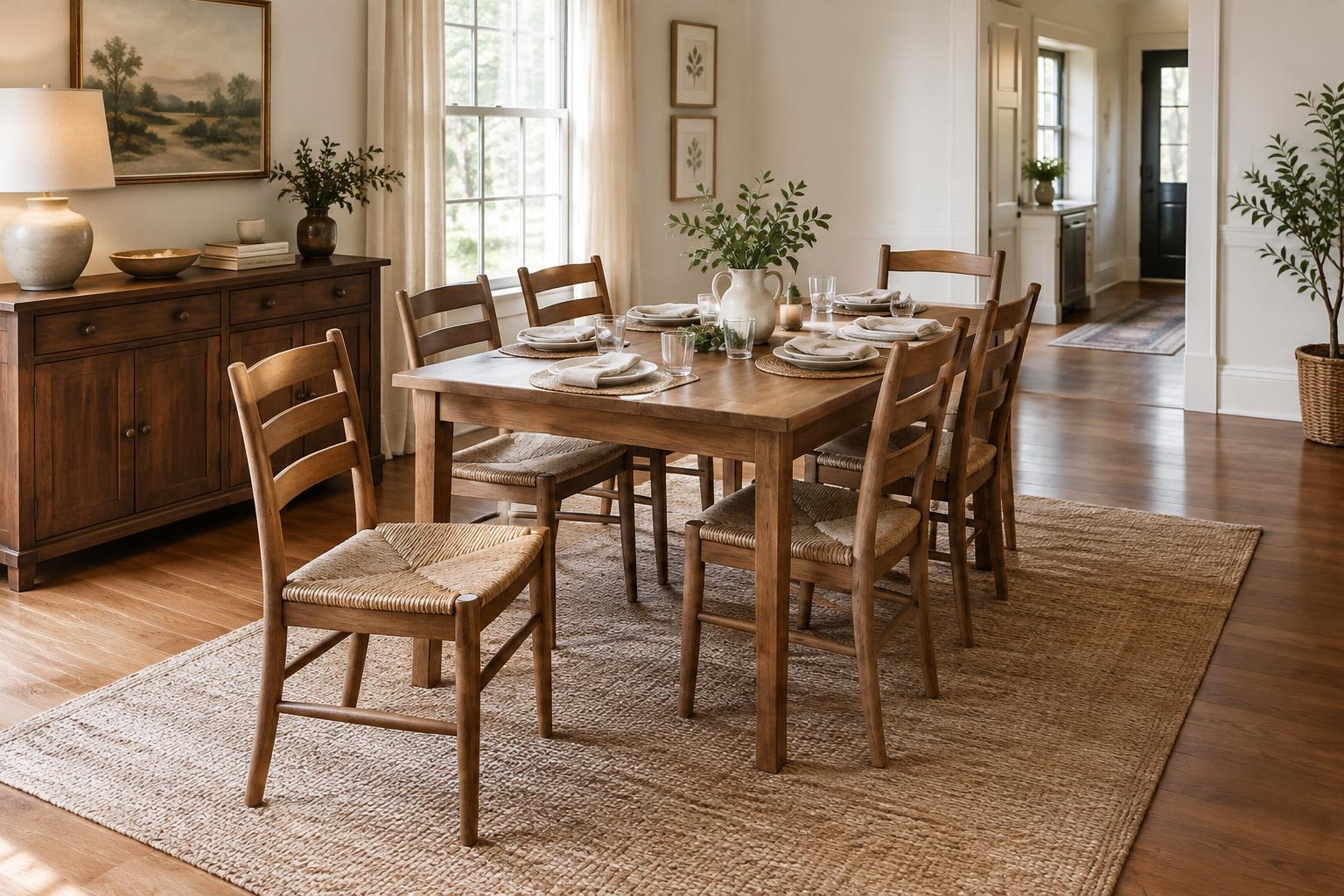
A dining area can look spacious when every chair is tucked neatly under the table. The real test begins when guests pull their chairs out, sit down, and get up again. Before adding another place setting, imagine those movements happening at the same time. Someone may be standing to greet a late arrival while another person carries a serving dish through the room.
Set the table as you intend to use it, then pull out each chair as a guest would. Sit in every position. Can you move your elbows comfortably without crowding a neighbor? Can you stand without asking someone else to shift? A place at the end of a table may feel generous until it blocks a doorway or a frequently used cabinet. Testing the occupied table reveals problems that a floor plan can miss.
Protect the routes guests will use
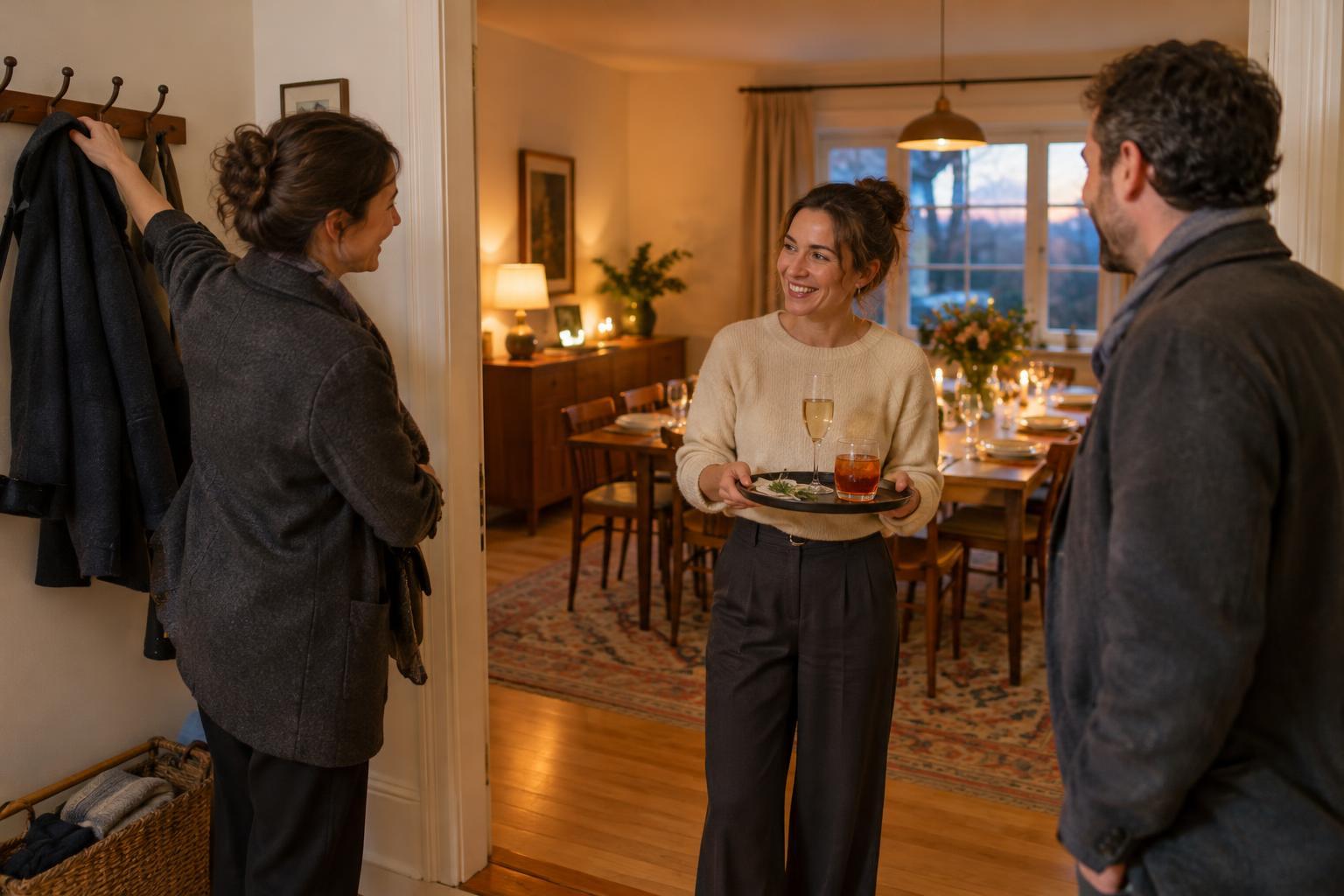
Think of the room as a set of routes: the path from the entrance to a seat, the way to the kitchen, and the route to a restroom or outdoor space. Keep the busiest path as open and direct as the room allows. A chair that backs into a wall may need only enough room for its guest to sit and stand. A chair beside a main route needs additional clearance so others can pass while it is occupied.
Pay attention to pinch points rather than judging the whole room by its widest area. The corner of a sideboard, a door swing, or a chair leg can turn a comfortable-looking passage into an awkward squeeze. Walk the routes with the chairs pulled out. If you must turn sideways, move a piece of furniture or reduce the number of seats rather than relying on guests to keep their chairs tucked in throughout the meal.
Match chair placement to the meal
Spacing needs change with the way food is served. A meal with shared platters calls for room to reach the center of the table and pass dishes between neighbors. If guests will serve themselves from a sideboard, leave a clear approach to it and space for someone to pause without blocking everyone else. When plates will be carried individually from the kitchen, make the route to each seat easy to navigate.
The chair itself matters too. Wide seats, arms, and angled legs take up space beyond the place setting in front of them. Mixing chair styles can work well, but check their actual footprints rather than assuming they will line up evenly. If a guest may prefer a particular chair or need more room to approach the table, plan that place first. Comfort is easier to build into the layout before every seat is assigned.
Use the rest of the room selectively
When the table feels crowded, removing furniture often helps more than rearranging the chairs repeatedly. A spare stool, plant stand, or small side table may be useful elsewhere for the evening. Keep a convenient surface for water, extra cutlery, or used serving dishes, but avoid placing it where people need to walk. A clear route usually does more for hospitality than another decorative object.
Also consider what guests will bring into the room. Coats hung over chair backs can narrow a passage; bags left beside chairs can trip someone carrying a dish. Offer another place for belongings if possible. Check that lighting and table decorations do not make movement harder: a low arrangement can free sightlines across the table, while an easily reached lamp is less troublesome than a cord crossing the floor.
Rehearse the arrangement, then adjust
A quick rehearsal is the most reliable finishing step. Put the chairs where guests will use them, set out any serving pieces, and walk through a few ordinary moments: arriving, sitting, fetching water, passing food, and clearing plates. Ask someone else to try the room if you can. People move differently, and a route that feels easy to the host may not feel easy to a guest.
If the layout fails, the solution need not be elaborate. Shift the table slightly, turn it to face another direction, serve food from a different surface, or set fewer places. Leave a little flexibility for guests to move chairs and change seats. A well-spaced table is not one that meets a perfect diagram; it is one where people can settle in, share a meal, and move without having to think about the furniture.