Make room, not a speaking schedule
A lively dinner can look different from one table to another. Some guests tell stories; others prefer to listen, ask a question or talk with the person beside them. An inclusive evening is not one in which everyone speaks for the same number of minutes. It is one in which guests can take part without having to compete for attention or explain why they are quiet.
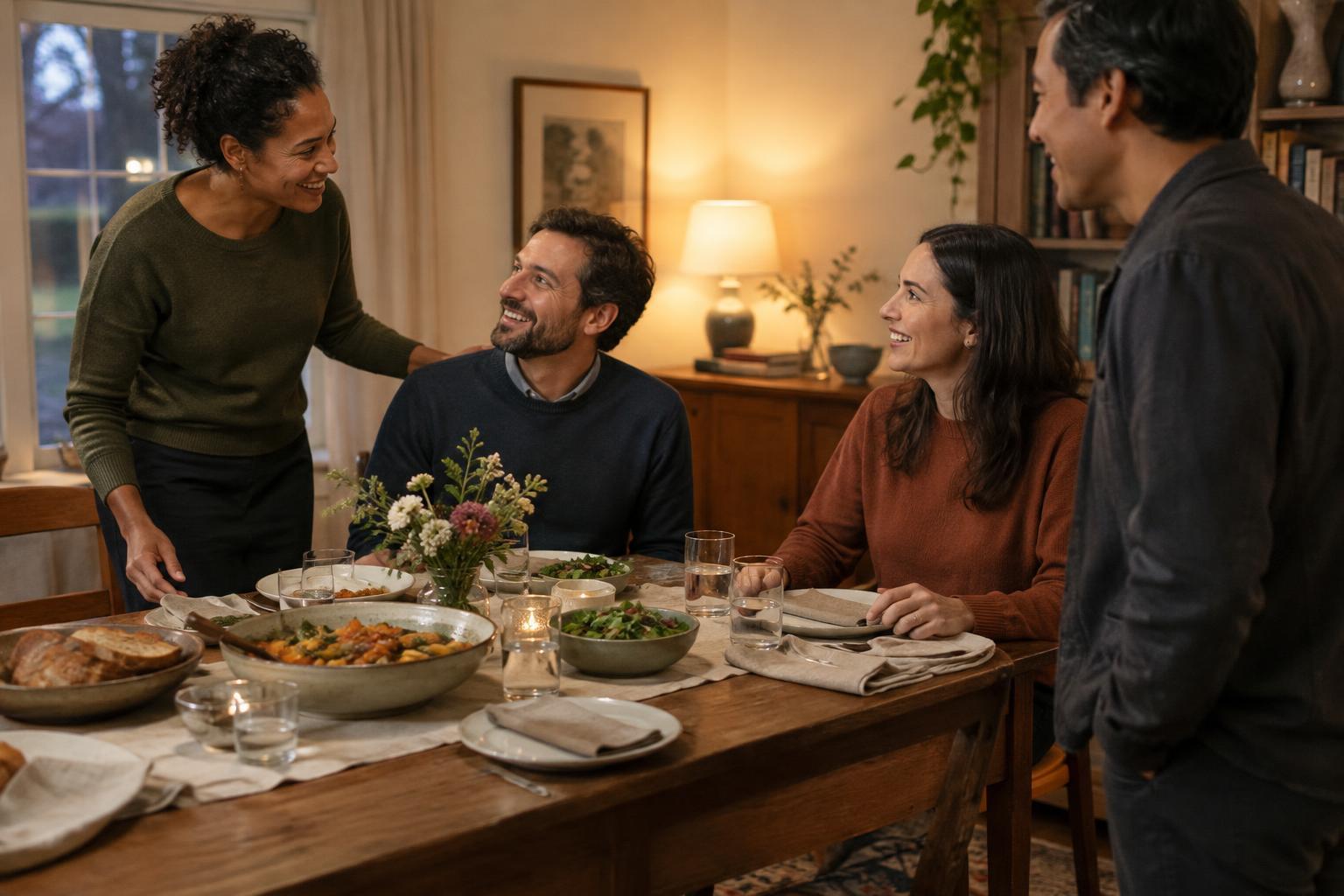
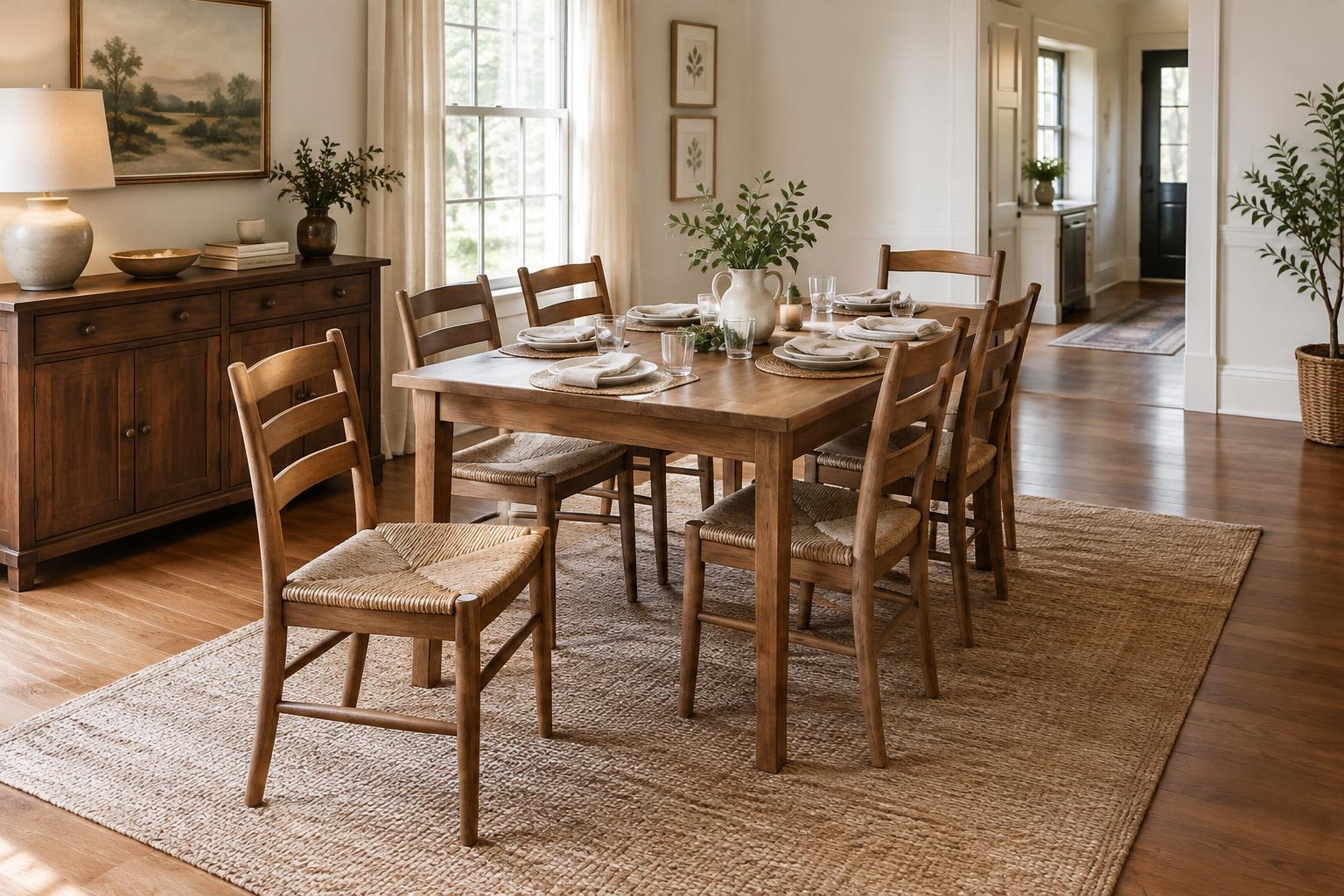
As a host, start with the setting rather than a plan to draw people out. Arrange seats so guests can hear one another, and consider whether someone new to the group might feel more comfortable beside a welcoming conversationalist. Introduce people with a shared interest if you know one, but leave room for them to discover their own connection. “You both enjoy cooking with herbs” opens a door; a long account of either guest’s life can leave them with little to add.
Ask questions with more than one good answer
Questions about the meal are easy entry points because everyone has something in front of them. “Have you tried this sauce yet?” or “What would you serve with this?” invites an opinion without demanding a personal history. Questions about a book, a neighborhood walk or a favorite way to spend an unplanned afternoon can also work when they suit the group. The goal is not to find a universally safe script, but to give people choices about how much to share.
Be cautious with questions that assume a guest has a partner, children, a particular job or a recent trip to report on. Even a friendly “Why don’t you drink?” may ask for an explanation the person did not come to dinner to give. Offer food and drink choices without commentary, and let guests describe their own circumstances if they wish. When someone gives a short answer, accept it. An interested follow-up can be kind, but repeated prompts can make the table feel like an interview.
Help the conversation travel
Group talk often gathers around the quickest voices. A host can gently widen the circle without announcing that a quieter guest needs help. If a discussion of a dish has become a two-person debate, try a broader question: “Has anyone made something like this at home?” Then allow a pause. People sometimes need a moment to enter, particularly when they do not know the group well.
You can also make space by shifting away from an inside joke or a story that depends on years of shared history. A brief bit of context helps a newcomer follow along; afterward, move to something they can respond to. If someone is interrupted, returning to them with “You were saying something about the market” shows that their contribution mattered. It is an invitation, not a command: if they wave it off, let the conversation continue.
Handle difficult turns without making a guest the topic
Dinner conversation may brush against politics, money, family or other sensitive subjects. There is no need to ban every serious topic; a thoughtful discussion can be part of a good evening. Pay attention, though, to whether people are exchanging ideas or pressing one guest to represent an experience or defend a personal choice. No one owes the table a lesson about their identity, work, diet or beliefs.
If a question puts someone on the spot, a simple redirection often does more than a grand intervention: “We don’t need to ask anyone to speak for a whole group,” followed by a change of subject. If a disagreement grows heated, you might acknowledge it and offer a turn toward the meal or another shared interest. Speak plainly when a remark is unkind, but avoid turning the response into a performance that requires the affected guest to reassure everyone.
Let hospitality include quiet
A meal has its own rhythm: serving, tasting, clearing and passing dishes all create natural breaks. Silence during a good bite is not evidence that the evening is failing. Neither is a guest choosing a smaller conversation over the discussion at the center of the table. Give people room to move between those modes, and resist filling every pause with a new question.
Near the end of the meal, notice who has been included without taking attendance aloud. A warm exchange while offering tea or clearing plates may be a better moment to connect with someone who spoke little in the group. What guests may remember is not whether the conversation ran continuously, but whether they felt comfortable joining it, stepping back from it and being themselves at your table.