Get ready for the doorbell
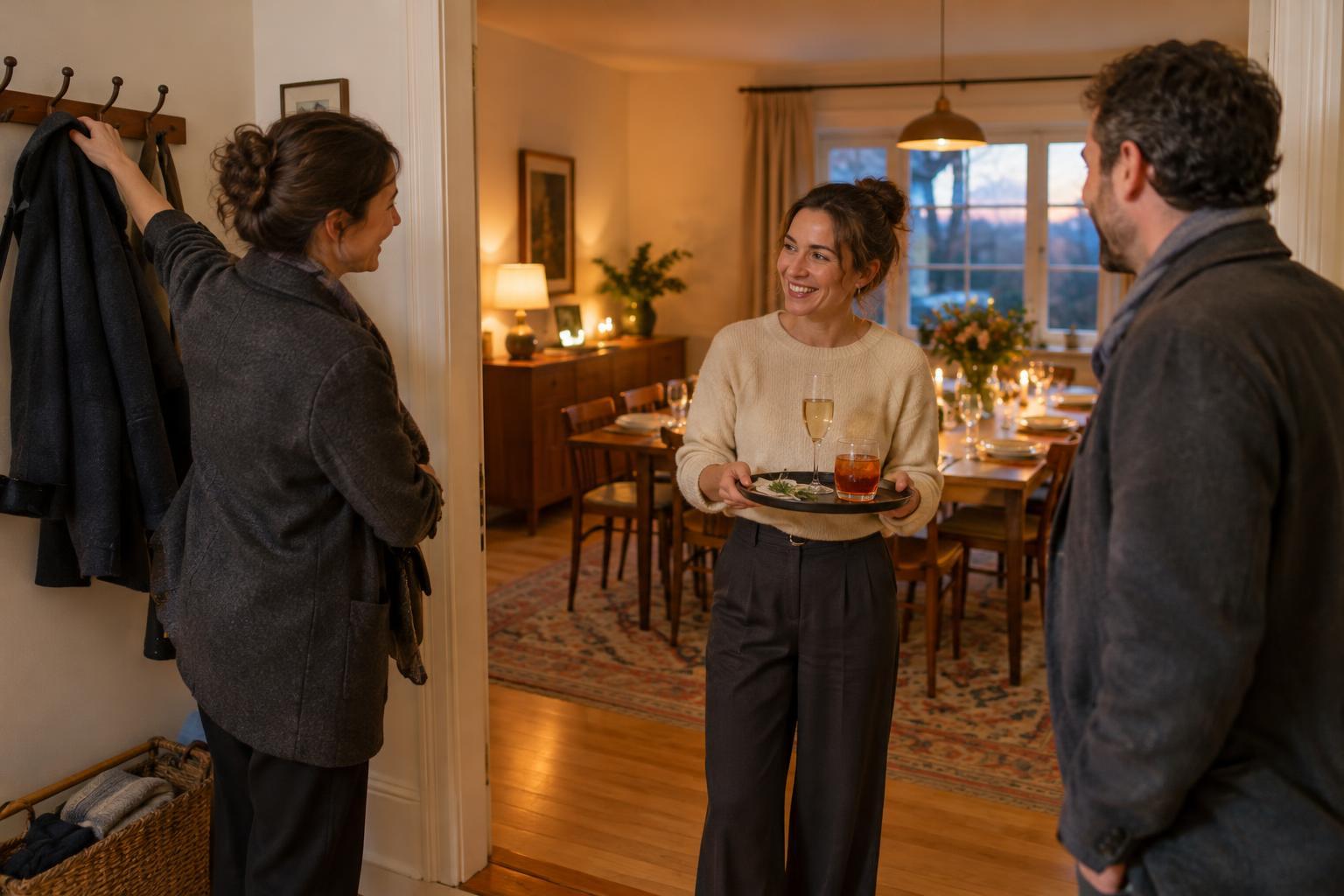
A welcome starts before the first guest arrives. Clear a path from the door, make space for coats and bags, and decide where people can gather without getting in the way of dinner preparation. If the entryway is small, a bedroom or spare room can serve as a coat area. Set aside a few hangers if you have them, and leave a visible spot for shoes or umbrellas if guests are likely to need one.
Give yourself a short list of tasks that can wait until after everyone arrives, and finish anything that needs your full attention beforehand. Food that only needs reheating or a final garnish is easier to manage than a dish requiring constant stirring. Put glasses, water and the first drink within reach so you can greet people without immediately turning your back to search a cupboard. The aim is not a perfect room; it is enough breathing space to meet someone at the door.
Make the arrival feel personal, not procedural
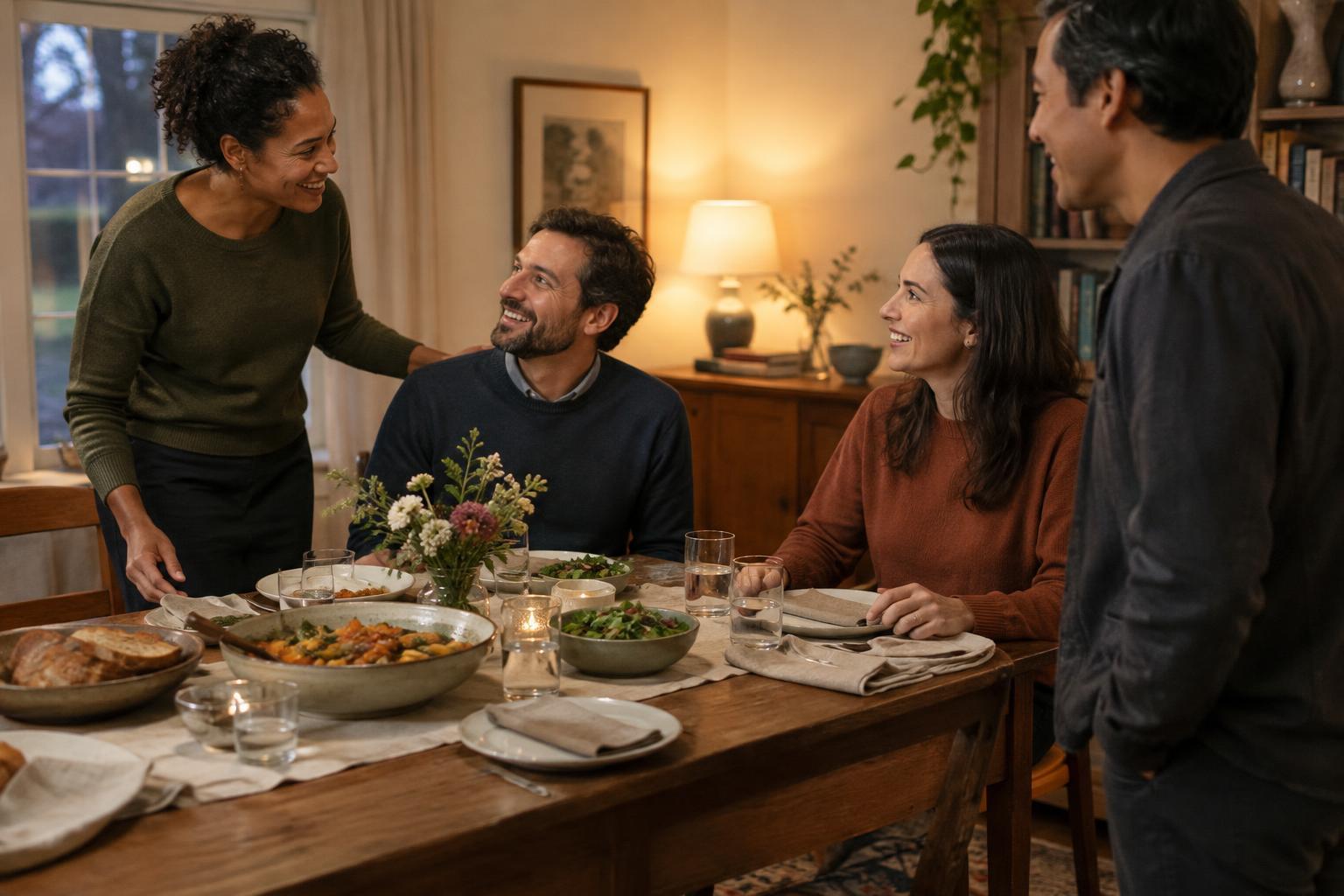
Open with a greeting rather than a set of instructions. Take a moment to say hello, then offer to show each guest where to leave a coat. If they have brought something, thank them and put it somewhere sensible. A gift of wine or food does not have to become part of that evening’s menu, particularly if you already have a plan.
When several guests arrive close together, give each person one useful point of orientation: where the drinks are, where the bathroom is, or who is already in the next room. Introductions work best with a little context people can use to start talking, without turning anyone into a topic of conversation. If you must step away to check the oven, say so plainly and let guests know you will be back. A brief, relaxed explanation is warmer than disappearing into the kitchen.
Offer a first drink with an easy choice
The first drink is less about making an impression than giving guests something to hold while they settle in. Offer a concise choice, such as water, a prepared nonalcoholic drink, or one alcoholic option if you are serving it. Avoid asking guests to study a long selection the moment they come through the door. You can always offer another choice later, once coats are off and conversation has begun.
Make the nonalcoholic option feel like a real option rather than an afterthought. Chilled water with citrus, a simple spritz made with sparkling water, or an interesting tea served cold can all work, depending on the meal and the weather. Keep water available regardless of what else you serve. If guests are pouring their own drinks, place glasses and a cloth for small spills nearby. If you are pouring, choose something you can serve quickly and set down without extra preparation.
Give guests somewhere to land
After the greeting and first drink, guests need a place to be. A small bowl of olives, nuts or another simple snack can help bridge the time until dinner, provided it suits the people you have invited. Put it where conversation is welcome rather than where you need to work. If the kitchen is the natural gathering place, clear a safe stretch of counter away from hot pans and sharp tools.
You do not need to entertain every guest continuously. Music at a level that still allows conversation, a comfortable seat and an introduction can do much of the work. Pay attention to anyone who arrives alone or does not know the group. Bringing them into a conversation with one other person is often more useful than announcing them to the whole room. Hospitality here is a series of small signals: you were expected, there is room for you, and nothing needs to be figured out alone.
Move toward dinner without a sudden reset
As the last guests settle in, give a gentle indication of the evening’s pace. You might say that dinner will be ready shortly or that everyone can have another few minutes before sitting down. This helps people decide whether to refill a glass, visit the bathroom or finish a conversation. It also saves you from feeling that you must rush the meal to fill a quiet moment.
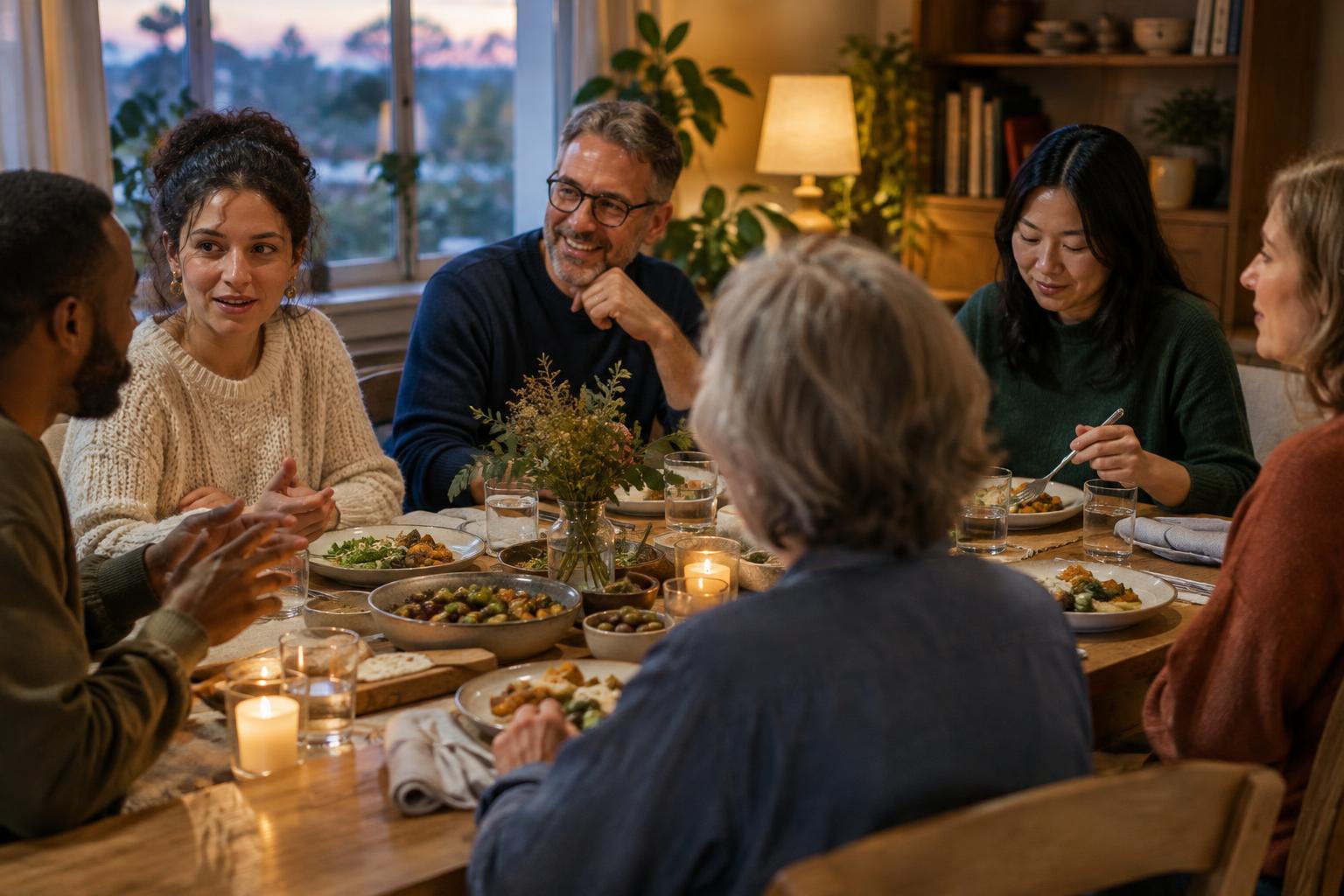
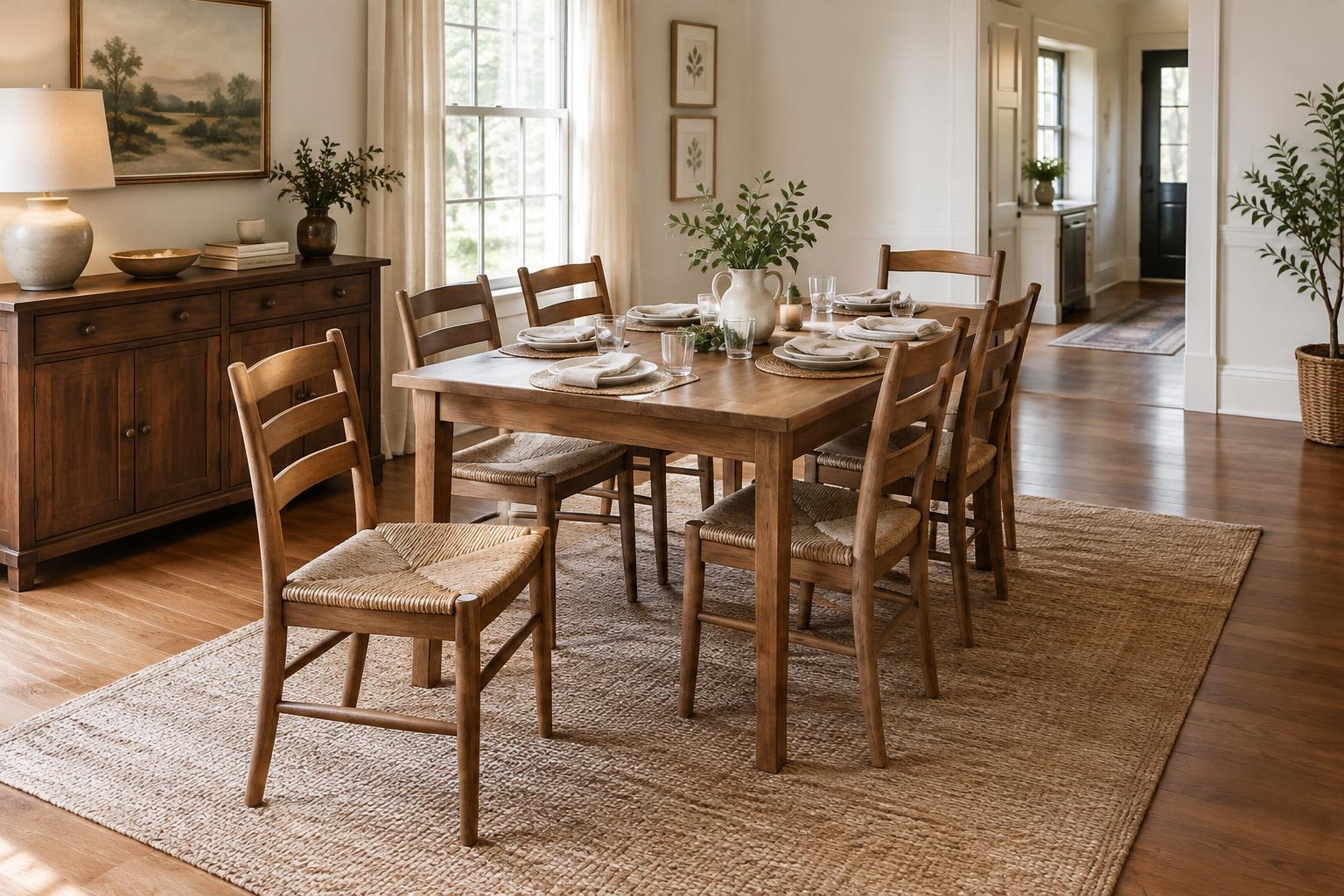
When it is time to eat, tell guests where to go and whether seats are assigned, if that matters. Bring the first drink along to the table or offer a place to leave it. Coats can wait until departure; there is no need to manage every detail at once. A thoughtful arrival does not require elaborate service. It requires a host who has made the next step easy, from the front door to the first shared dish.