The difference begins before the pan
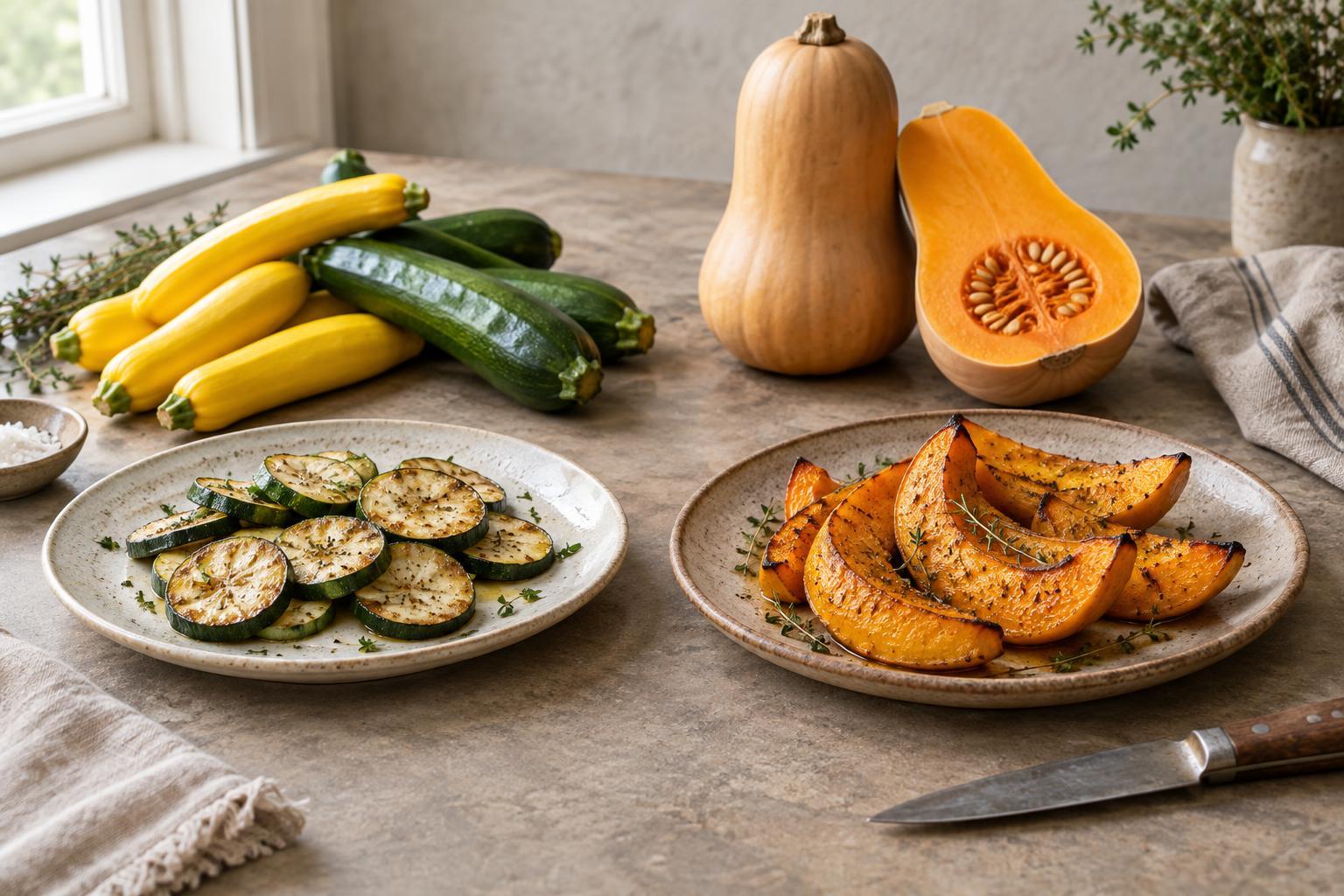
The names describe when squash is typically harvested and how mature it is, rather than a rule about when you can eat it. Summer squash, such as zucchini, yellow squash and pattypan, is picked while its skin is tender and its seeds are still soft. Winter squash, including butternut, acorn and delicata, is allowed to mature until it develops a firmer rind and denser flesh. Its growing and harvest season can vary by region, and many types keep well after harvest.
That difference in maturity matters at the stove. Summer squash contains plenty of water and becomes tender quickly. Winter squash takes longer to soften and often becomes creamy or sweet-tasting as it cooks. Treating them as interchangeable can leave one limp and watery or the other unpleasantly firm. The best starting point is to decide whether you want a quick-cooked vegetable with a little bite or a substantial ingredient that can anchor a dish.
Handle summer squash with heat and a light touch
Summer squash needs little preparation: wash it, trim the ends and cut it into pieces of similar size. The skin and seeds are usually tender enough to eat. For a sauté, use a wide pan so the pieces have room to release moisture. Cook over medium-high heat, stirring occasionally, until they develop some color but still hold their shape. Crowding the pan tends to steam the squash instead.
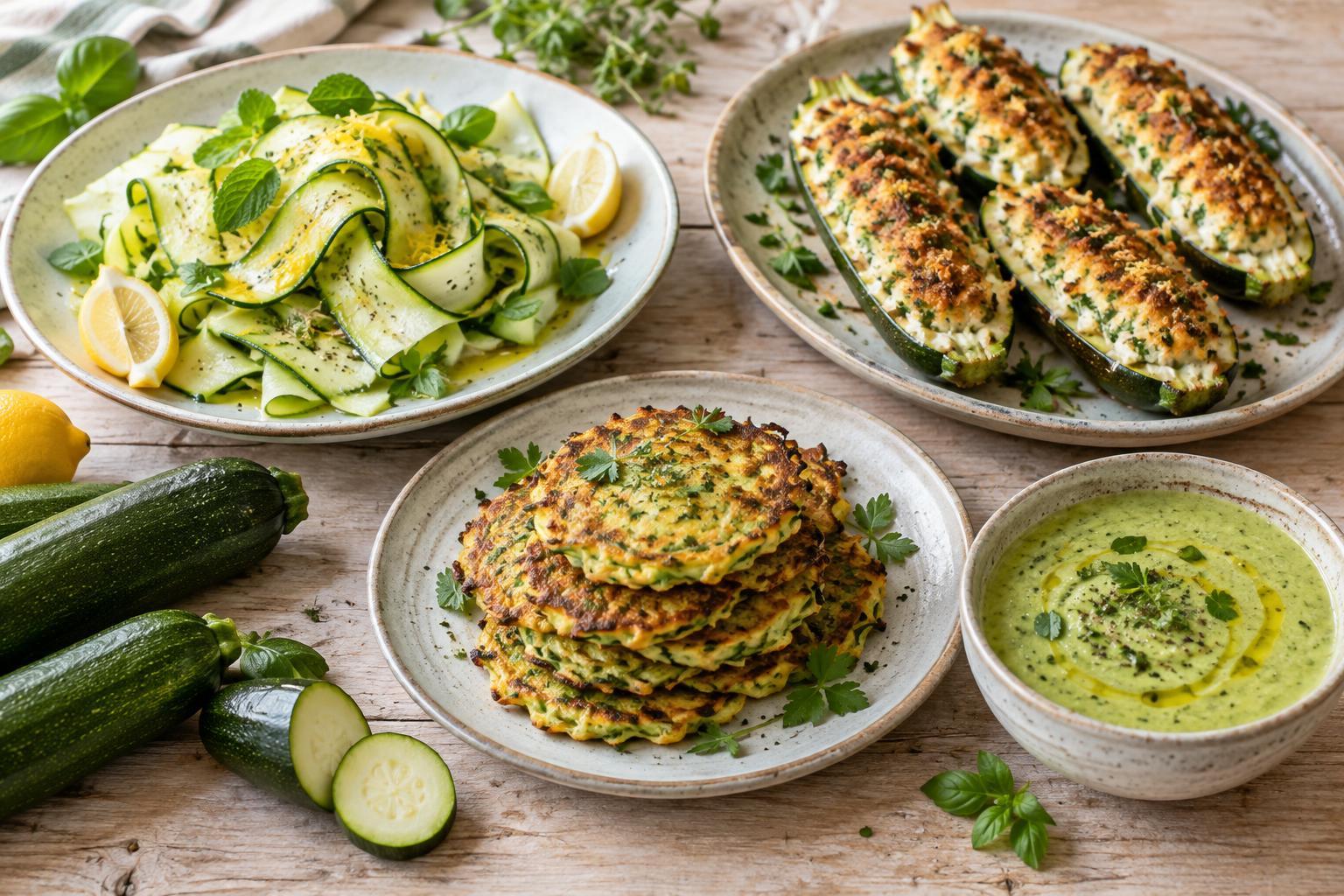
Grilling and roasting also work well when the pieces are thick enough to resist turning mushy. Halves or broad slices offer more surface for browning than a pile of small cubes. A little oil helps them cook evenly; add delicate herbs near the end so they stay fresh-tasting. If a recipe calls for grated zucchini, squeeze out some liquid when a firm texture matters, as in fritters. For a softer result in a soup or sauce, that moisture can be useful.
Give winter squash time to become tender
Winter squash rewards slower, more thorough cooking. Roasting is a versatile choice: cut the squash into even pieces, coat them lightly with oil and cook until a fork passes through the flesh easily. Cut surfaces can brown while the interior softens. Halves may take longer but require less knife work. Steaming produces a gentler result suited to mashing or puréeing, while simmering cubes directly in a soup lets them absorb the surrounding flavors.
Preparation depends on the variety. Butternut has a tough skin that is commonly removed for cubes, though roasting halves lets you scoop out the cooked flesh instead. Delicata skin generally becomes tender when cooked, and acorn squash can be served in its shell. Scoop out the mature seeds and stringy center before cooking. Because the rind can be hard to cut, use a stable cutting board, a sharp knife and unhurried movements; avoid forcing the blade through a squash that is slipping.
Build dishes around texture, not just flavor
Summer squash fits dishes that benefit from freshness and a short cooking time. Add it toward the end of a pasta sauce, sear it for a grain bowl or fold cooked slices into an omelet. Its mild flavor welcomes lemon, herbs, garlic and salty cheese, but strong additions need not overwhelm it. When preparing a larger meal, cook summer squash close to serving so it does not sit and soften for too long.
Winter squash can carry more of the plate. Roasted pieces hold up in a warm salad, and tender flesh can thicken a soup or become a smooth filling. Its sweetness pairs well with contrasting ingredients such as bitter greens, tangy dressings or toasted nuts. If you are substituting one kind of squash for another, consider both cooking time and final texture. Zucchini will not provide the body of butternut in a purée; butternut will not become a quick, tender sauté without being cut small or cooked in advance.
Choose and store with the dish in mind
For summer squash, look for pieces that feel firm, with skin free of soft spots. Smaller specimens often have a finer texture, while very large ones may have more developed seeds and a softer center. Keep them refrigerated and plan to use them relatively soon. If you have more than you can cook at once, a soup or cooked sauce is often a better destination than a salad that relies on crisp texture.
For winter squash, choose one that feels heavy for its size and has an intact, firm rind. Whole squash generally keeps longer than summer squash when stored in a cool, dry place; once cut, refrigerate it and use it promptly. These simple choices make planning easier: buy summer squash for meals you will cook soon, and keep winter squash for a dish that allows enough time for its dense flesh to turn fully tender.