Start with good ears
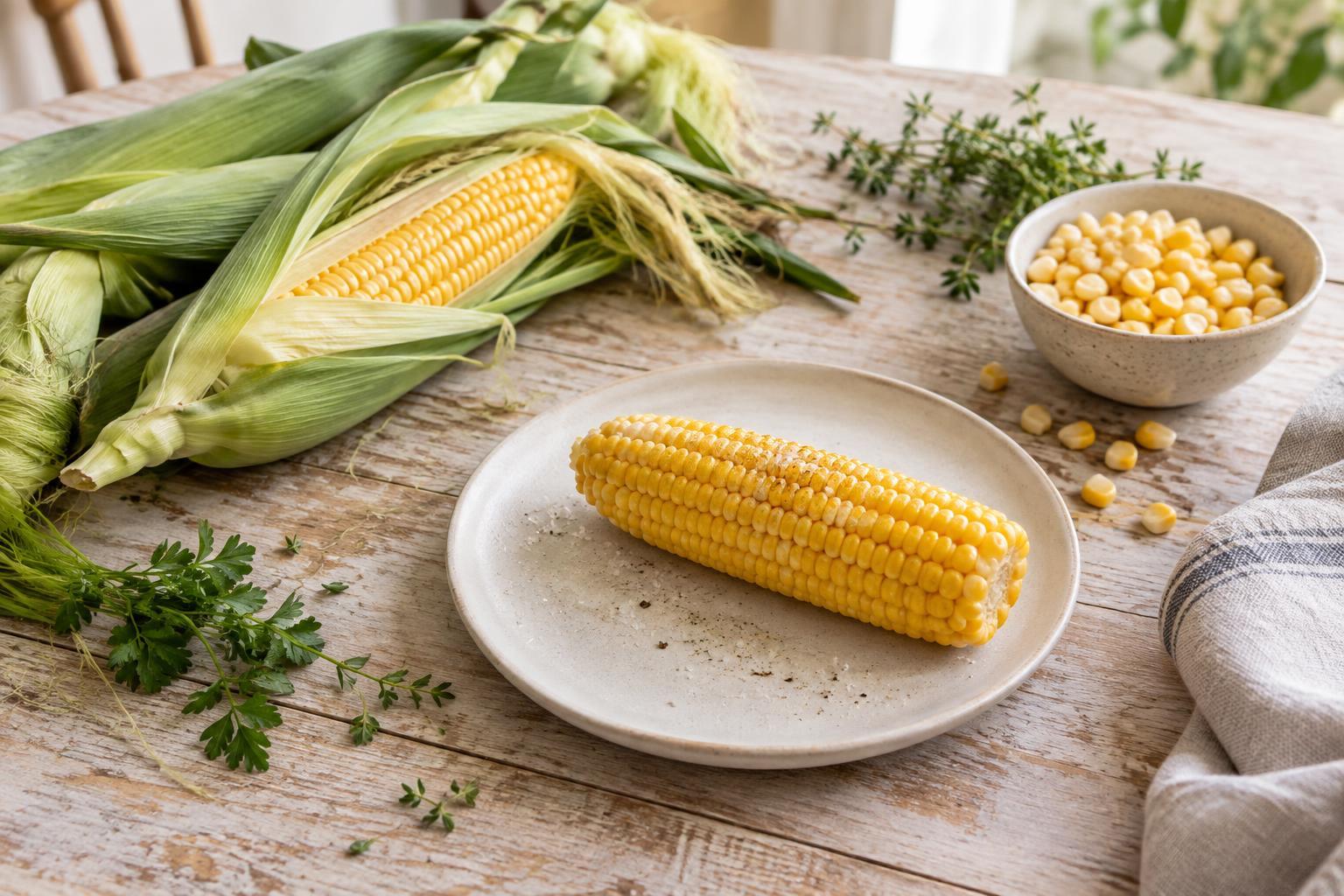
Fresh corn is at its best when its kernels are plump and juicy. Look for ears that feel full from end to end, with husks that are still green and snug rather than dry and loose. The silk may be a little brown at the tips, but it should not feel slimy. There is no need to peel back the husk in the shop; gently feeling along the ear can tell you whether it has noticeable gaps.
If you can, cook corn soon after buying it. Until then, keep the ears in their husks in the refrigerator, loosely wrapped or in a bag that is not tightly sealed. Shuck just before cooking: pull down the husk and silk together, then rub away any strands that remain. A soft brush or a clean, damp towel can help with stubborn silk.
Cook it on the cob
For a straightforward pot of corn, bring water to a boil, add the shucked ears and cook until the kernels are tender, usually just a few minutes. Start checking early; a kernel should bite cleanly and taste juicy. Steaming is similarly simple and uses less water. Set the ears above simmering water, cover the pot and cook until tender. The precise time depends on the size and freshness of the ears, so taste is a better guide than a rigid timer.
Grilling brings a different character. Brush shucked ears lightly with oil and turn them over a medium-hot grill until the kernels are tender and lightly marked. If the outside colors before the inside cooks, move the ears to a cooler spot and cover the grill briefly. Serve hot corn with butter and salt, or add lime, a little chili and finely chopped herbs. Season one ear first, then adjust the rest to suit the table.
Take the kernels off the cob
Loose kernels are useful when you want corn in a salad, skillet dish or soup. Stand a shucked ear on its flat stem end inside a large bowl, or lay it on a cutting board and turn it after each pass. With a sharp knife, cut downward close to the cob, keeping your fingers above the blade. Work slowly rather than trying to remove every kernel in one stroke. The bowl catches strays; the board gives you a steadier surface.
Raw kernels can bring crunch to a dish, especially when the corn is tender and sweet. For a softer result, cook them briefly in a skillet with a little butter or oil, stirring until heated through and tender. Scrape the cut cobs with the back of a knife to collect any remaining corn and milky liquid. Stir that into a soup or skillet near the end of cooking for extra corn flavor.
Build simple summer dishes
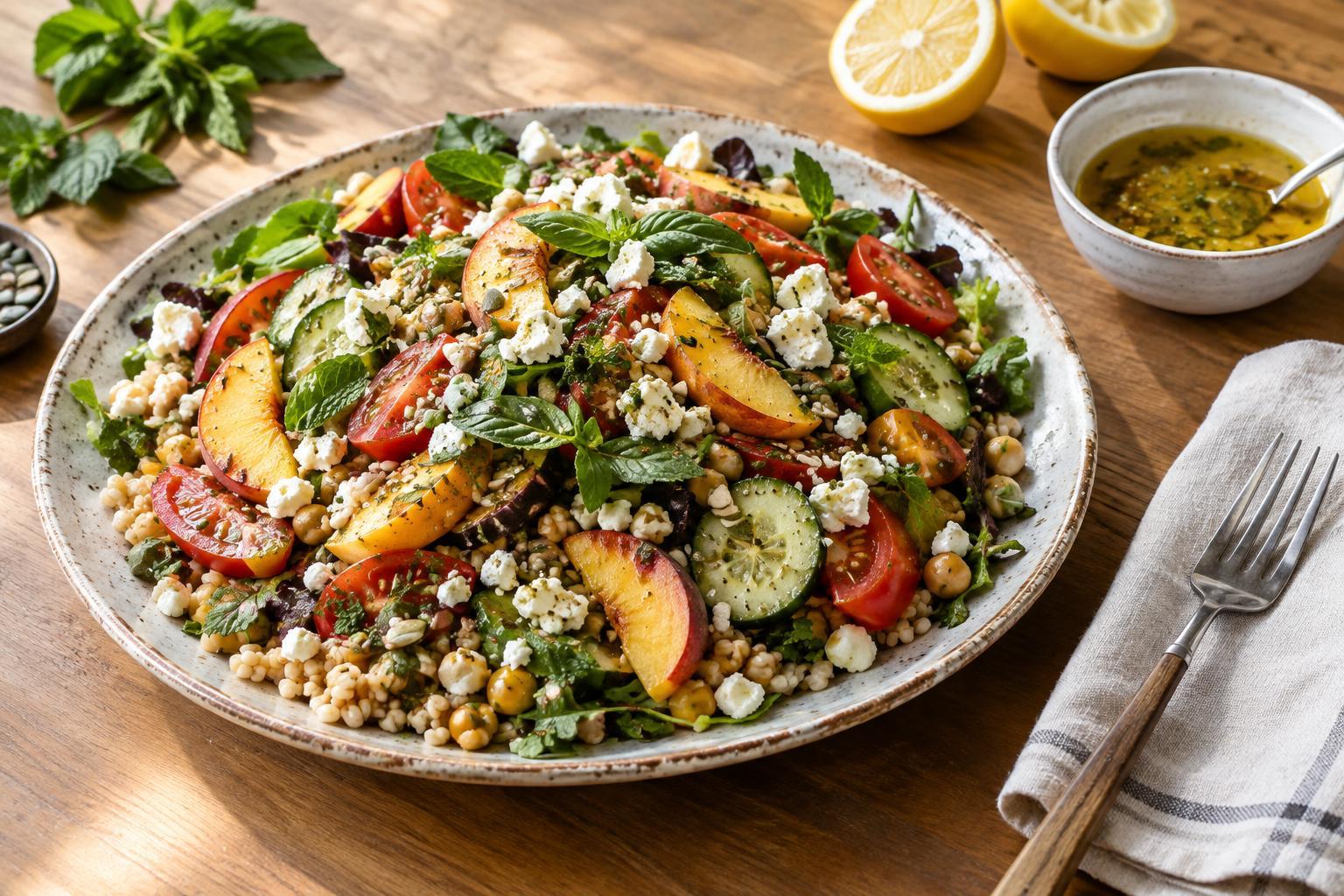
Corn pairs well with ingredients that offer contrast. Toss cooled, cooked kernels with tomatoes, cucumber, herbs and a squeeze of lemon or lime for a salad that can sit beside grilled vegetables or a simple main course. Add the dressing gradually: ripe tomatoes bring their own juices, and a lighter hand keeps the corn in focus. For a warmer plate, sauté kernels with sliced scallions, then finish with a spoonful of butter and a few torn basil leaves.
For an easy soup, soften onion in a pot, add kernels and just enough water or broth to cover, then simmer until tender. Blend some or all of it, depending on whether you prefer texture, and season at the end. A spoonful of yogurt or a drizzle of olive oil makes a simple finish. Corn also slips naturally into a skillet of beans, peppers and zucchini; cook the firmer vegetables first and add the kernels later so they retain some bite.
Let the corn set the pace
The simplest way to plan a corn dish is to taste a kernel before adding much else. Especially sweet corn may need only salt and a little acidity; a less sweet ear can benefit from browning in a skillet or from richer companions such as butter or beans. Tender corn cooks quickly, so have the rest of the meal nearly ready before it goes into the pot or pan.
If you have cooked corn left over, cut the kernels from the cob and refrigerate them promptly in a covered container. Use them in a salad, fold them into eggs or warm them briefly for another meal. Whether you serve whole ears or scatter kernels across a plate, fresh corn asks for relatively little: enough heat to make it tender and enough restraint to let it taste like summer.