Treat the calendar as a guide, not a rule
A list that labels a vegetable “in season” for a particular month can be useful, but it cannot describe every growing area. Elevation, weather, growing methods and distance from farms all affect when an ingredient reaches a shop or market. Even within one region, one grower’s tomatoes may arrive before another’s. Seasonal cooking works better when a calendar tells you what to look for, rather than what you must buy.
Begin with a loose expectation: tender greens in cooler stretches, abundant fruit during warmer stretches, or sturdy roots when fresh choices narrow. Then let the day’s selection correct that expectation. If the asparagus you hoped for is not available or looks tired, there is no need to force an asparagus dinner. Another crisp vegetable may serve the same role. Cooking with the seasons means responding to what is good now, even when “now” differs from the date printed on a chart.
Shop for condition and purpose
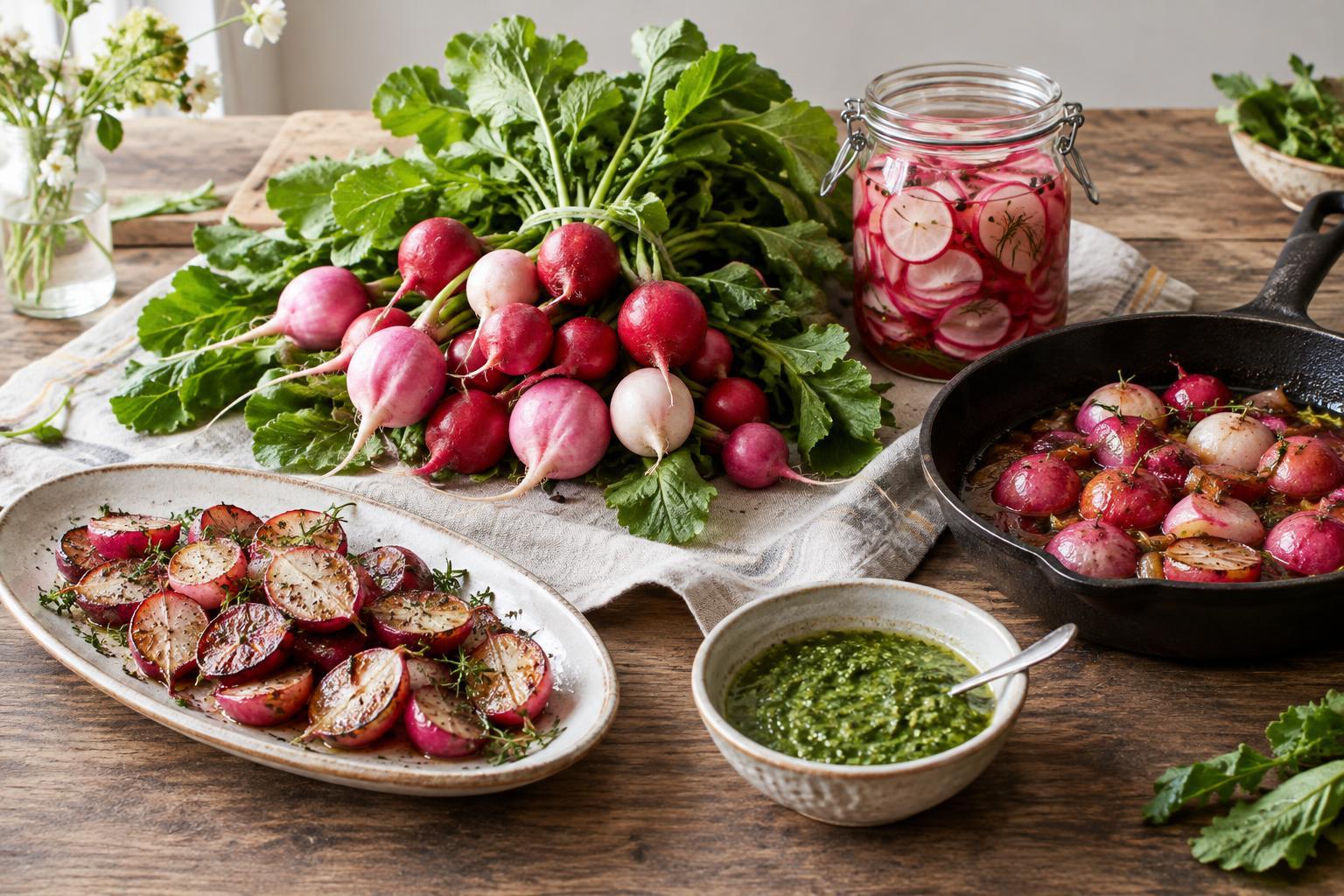
Before choosing a recipe, decide what job the seasonal ingredient should do. Are you looking for something crunchy to serve raw, something substantial to roast, or something soft enough to simmer into a sauce? A purpose gives you more freedom than a fixed shopping list. Radishes might replace young carrots in a crisp salad; squash might stand in for sweet potatoes in a tray of roasted vegetables. The flavors will change, but the meal can still hold together.
Use visible condition as one clue. Greens that look lively, herbs with a fresh scent and fruit that feels appropriate for its variety are often more appealing than produce bought only because a calendar recommends it. Ask a seller what tastes good if that conversation is available to you. A label saying “local” can tell you something about origin, but it does not, by itself, tell you whether an ingredient is ripe or suited to tonight’s dish.
Build recipes around flexible roles
The easiest seasonal meals have a dependable structure and a changeable center. A grain bowl can combine a cooked grain, a prepared vegetable, a protein if desired, herbs or a sharp dressing. A soup can begin with onion and a flavorful liquid, then take on whichever vegetables are suited to simmering. A simple pasta can carry sautéed greens one week and roasted vegetables the next. You are repeating a useful method, not the same plate.
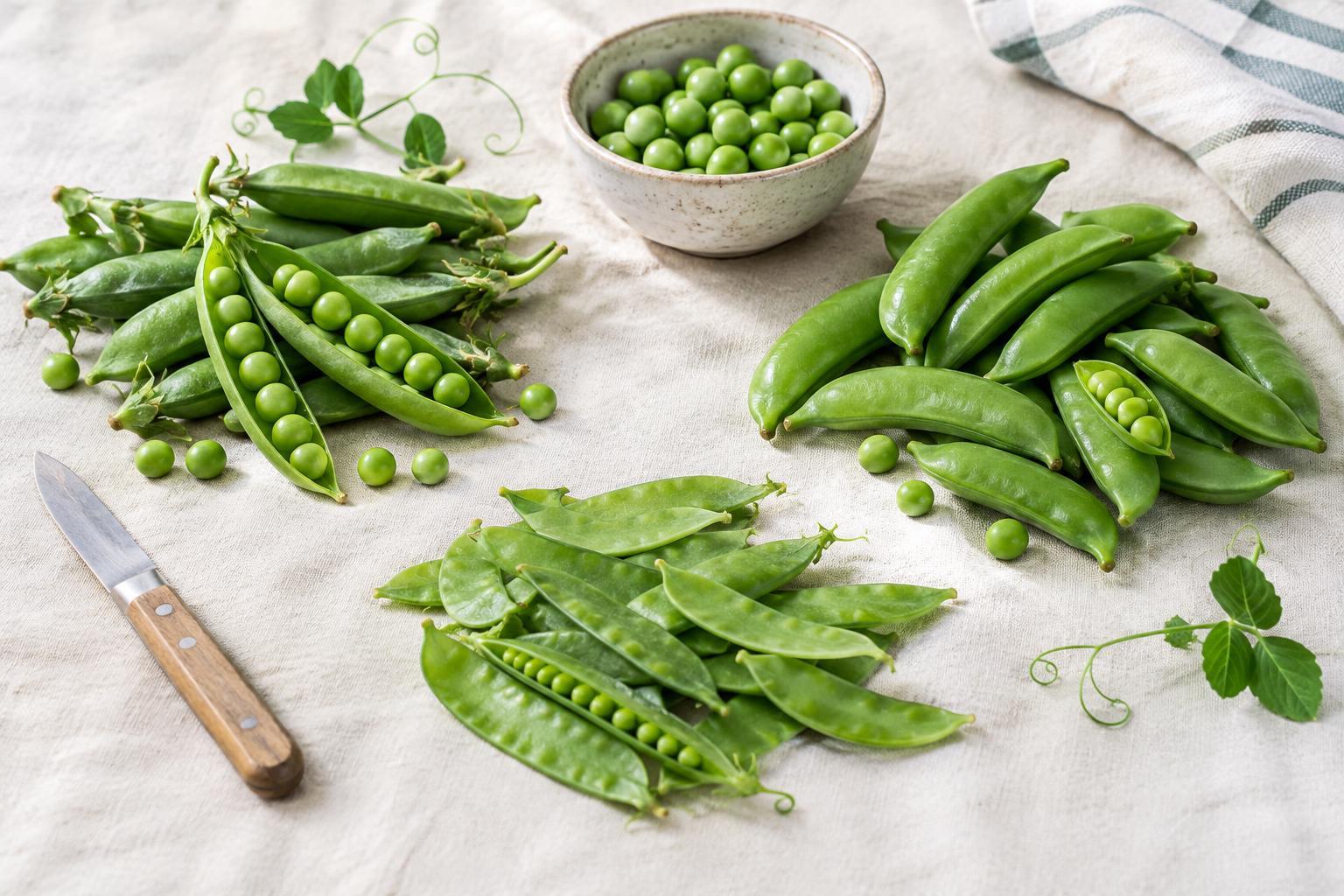
Keep cooking times flexible as well. A tender pea needs a different approach from a dense beet, even if both are filling the “vegetable” role. Cut firm ingredients smaller or start them earlier; add delicate ones near the end. Taste before serving, then adjust with salt, acidity or a little richness as needed. This habit matters more than finding a perfect substitution chart, because ingredients vary in sweetness, moisture and intensity throughout their season.
Notice the beginning, peak and end of a season
An ingredient can invite different preparations as its availability changes. At the beginning of a run, you may find only a small amount worth buying. Let it be an accent: a handful of berries over breakfast or a few sliced tomatoes alongside dinner. When it becomes plentiful, make it the main event in a salad, tart or generously filled sandwich. Near the end, use what still tastes good without insisting that it behave exactly like the season’s first harvest.
This approach also helps avoid treating “seasonal” as a demand to buy more than you can use. Plan one or two meals around a find, then give any leftovers a clear destination. Cooked vegetables can become a filling for a frittata or a topping for toast; extra herbs can flavor a dressing. If produce is losing its appeal, use it promptly where appropriate rather than saving it for an ideal meal that may never happen.
Make a local rhythm of your own
You do not need a detailed harvest log to learn your area’s patterns. For a few shopping trips, note which ingredients appear repeatedly, which disappear quickly and which seem at their best. A brief note on your phone—“good plums this week” or “greens plentiful again”—is enough to inform the next menu. Over time, your observations become a more useful guide to your usual shops than a calendar written for somewhere else.
Leave room for convenience and preference. Frozen produce, stored vegetables and pantry staples can support a meal when fresh local choices are limited or do not suit your plans. Seasonal cooking is not a purity test; it is a way to pay attention. Choose a flexible dish, look closely at what is available, and let the ingredients you bring home shape the final meal.