Three peas, three ways to eat them
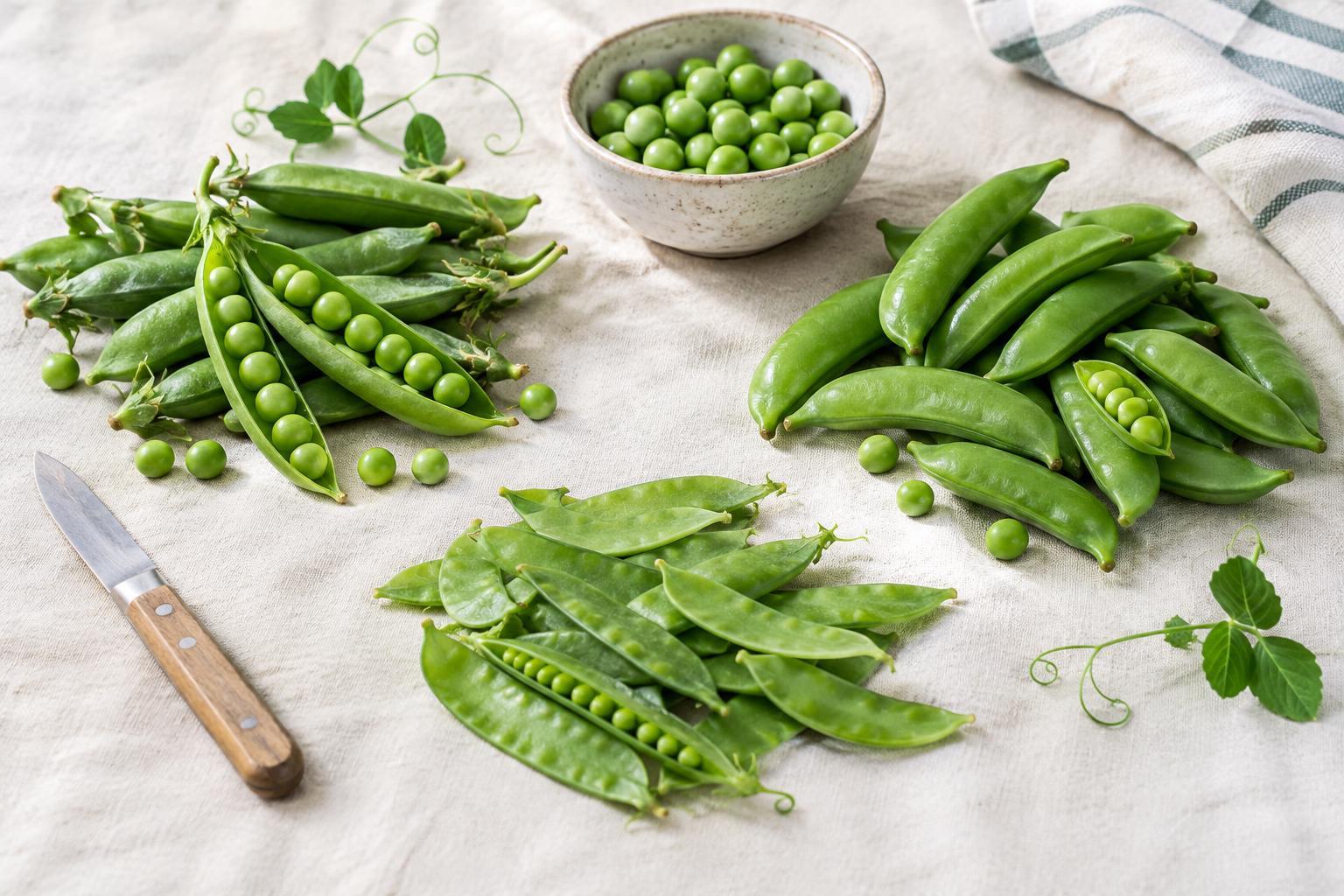
At a spring market, “peas” might mean three quite different things. Shelling peas, also called garden peas, are grown for the round peas inside. Their pods are generally too tough to enjoy as you would a snap pea. Sugar snap peas have plump, crisp, edible pods and small peas within them. Snow peas have flatter, tender pods with barely developed peas. Knowing which kind you have is the first step toward cooking it well.
Think of shelling peas as little bursts of sweetness, snap peas as juicy crunch and snow peas as a delicate, flexible vegetable that cooks quickly. All three can work in simple spring dishes, but they are not interchangeable in every recipe. A spoonful of shelled peas can settle into risotto or pasta, while whole snap or snow peas give a dish more shape and bite.
Choose for freshness, then store gently
Look for pods that appear lively rather than limp. Shelling pea pods should be full enough to suggest peas inside, without looking dry or heavily yellowed. Snap peas are best when firm and crisp, with pods that are plump but not bulging with oversized peas. Choose snow peas that look flat, smooth and supple; very swollen ones may have lost some of their tenderness. A few surface marks need not matter, but avoid pods that feel slimy or have widespread soft spots.
Peas are often at their sweetest soon after harvest, so buy an amount you can use promptly. Keep unwashed pods in the refrigerator in a loosely closed bag or container, and rinse them just before preparing them. Shelling peas are best left in their pods until you are ready to cook; once shelled, they need a covered container and prompt use. If the peas available look tired, frozen garden peas can be a useful choice for dishes that call for shelled peas.
Prepare each pod with its texture in mind
To shell garden peas, pinch or snap the stem end and open the seam with your thumb. Run a finger down the pod to release the peas into a bowl. It takes a little time, but it lets you check their size and quality as you go. Rinse the peas if needed, then drain them well so they do not dilute a sauce or dressing.
Snap peas can usually be cooked whole. Trim the stem end and, if you find a fibrous string along the seam, pull it away. Some varieties have barely noticeable strings, so testing a pod before trimming the whole batch can save work. Snow peas may also have strings; trim the stem end and pull along the edge if one is present. Leave small pods whole for stir-fries and sautés, or slice either edible-pod pea on a diagonal for salads.
Cook briefly and taste often
Freshly shelled peas need only gentle cooking. Add them to lightly simmering water, broth or a pan with a little butter and cook until tender, tasting as you go. Smaller, younger peas may be ready quickly; larger ones can take longer. Drain boiled peas promptly, or let a small amount of cooking liquid become part of a sauce. Mint, lemon zest and soft herbs are good partners, but start with a restrained hand so the peas remain the focus.
Snap peas are particularly good when their pods keep some crunch. Toss them in a hot pan with a little oil, or blanch them briefly before adding them to a composed salad. Snow peas need even less time in a hot pan: cook just until they turn bright and become tender-crisp, then move them off the heat. Overcooking either edible-pod pea can leave it dull and soft. If serving them cold, cool them promptly after cooking to help preserve their texture.
Build a spring plate around their differences
A useful way to plan a dish is to decide whether you want sweetness, crunch or a tender green layer. Fold shelled peas into warm grains, pasta or a simple soup near the end of cooking. Pair snap peas with radishes and a lemony dressing for a salad with plenty of bite. Add snow peas to a quick sauté with spring onions, where their flat pods can catch a light sauce without becoming the whole meal.
You can use more than one kind together. Try shelled peas for sweetness and thinly sliced snap peas for contrast in a bowl of grains with herbs. Or cook snow peas briefly and finish them with a small handful of shelled peas. Keep the seasoning simple at first, then taste: salt, a little acidity and enough fat to carry the flavors are often all that tender spring peas need.