Ask early, and make it easy to answer
A dinner invitation can include one simple question: “Is there anything you avoid eating or would prefer not to have?” Ask when guests accept, rather than waiting until you have planned the menu. The wording leaves room for different answers, from a strong dislike to a dietary practice, without asking anyone to explain something personal.
If a guest mentions a restriction, follow up privately with only the details you need to cook and serve the meal. For example, you might ask whether an ingredient needs to be left out of the entire dish or whether a separate portion would work. Avoid making assumptions based on a broad label. Two people who describe their preferences the same way may still make different choices about ingredients or preparation.
Keep the exchange matter-of-fact. Guests should not have to defend their preferences or become the subject of a group discussion. A short reply such as “Thanks for letting me know; I’ll plan around that” can make the conversation feel settled while leaving room for a practical follow-up.
Build flexibility into the menu
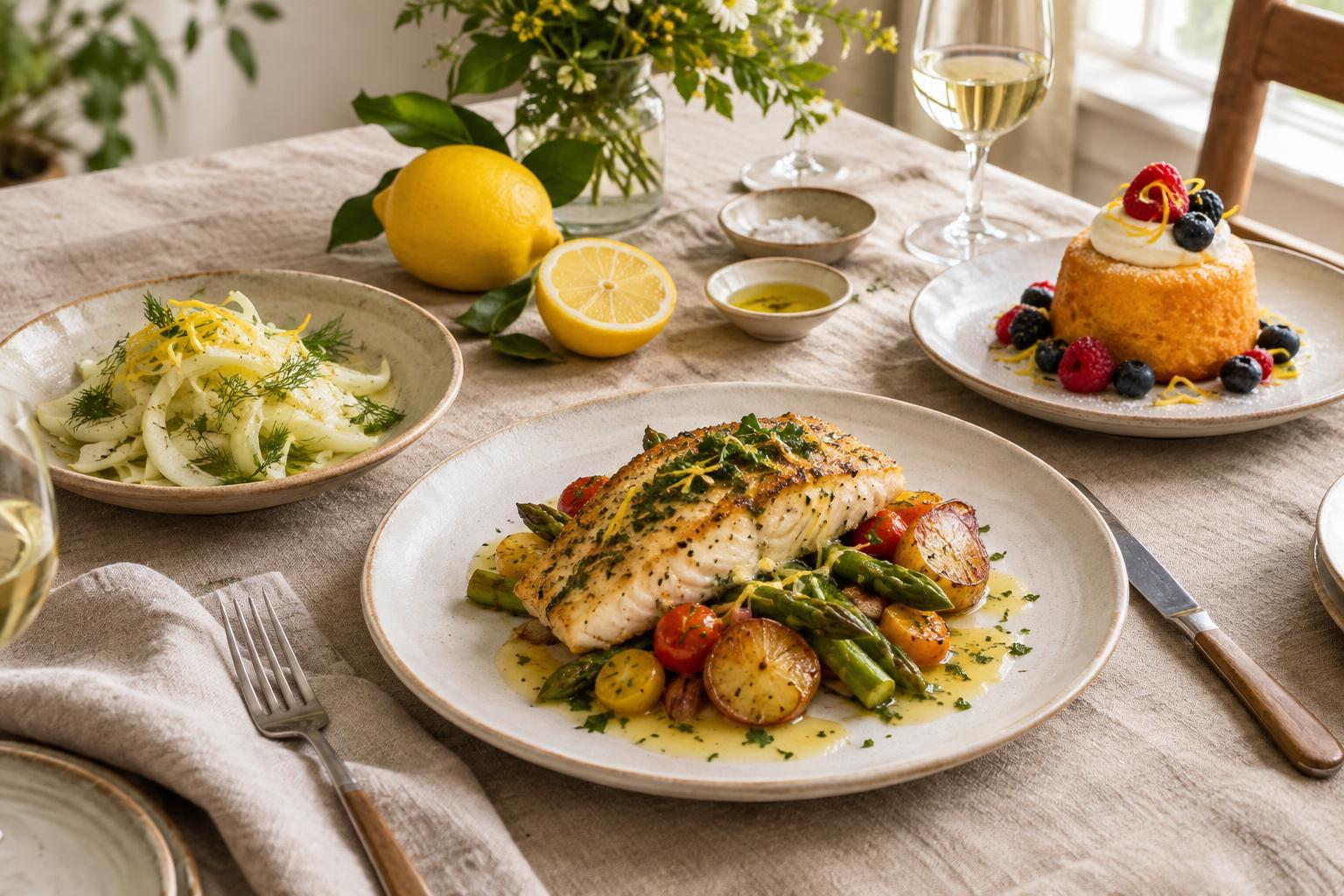
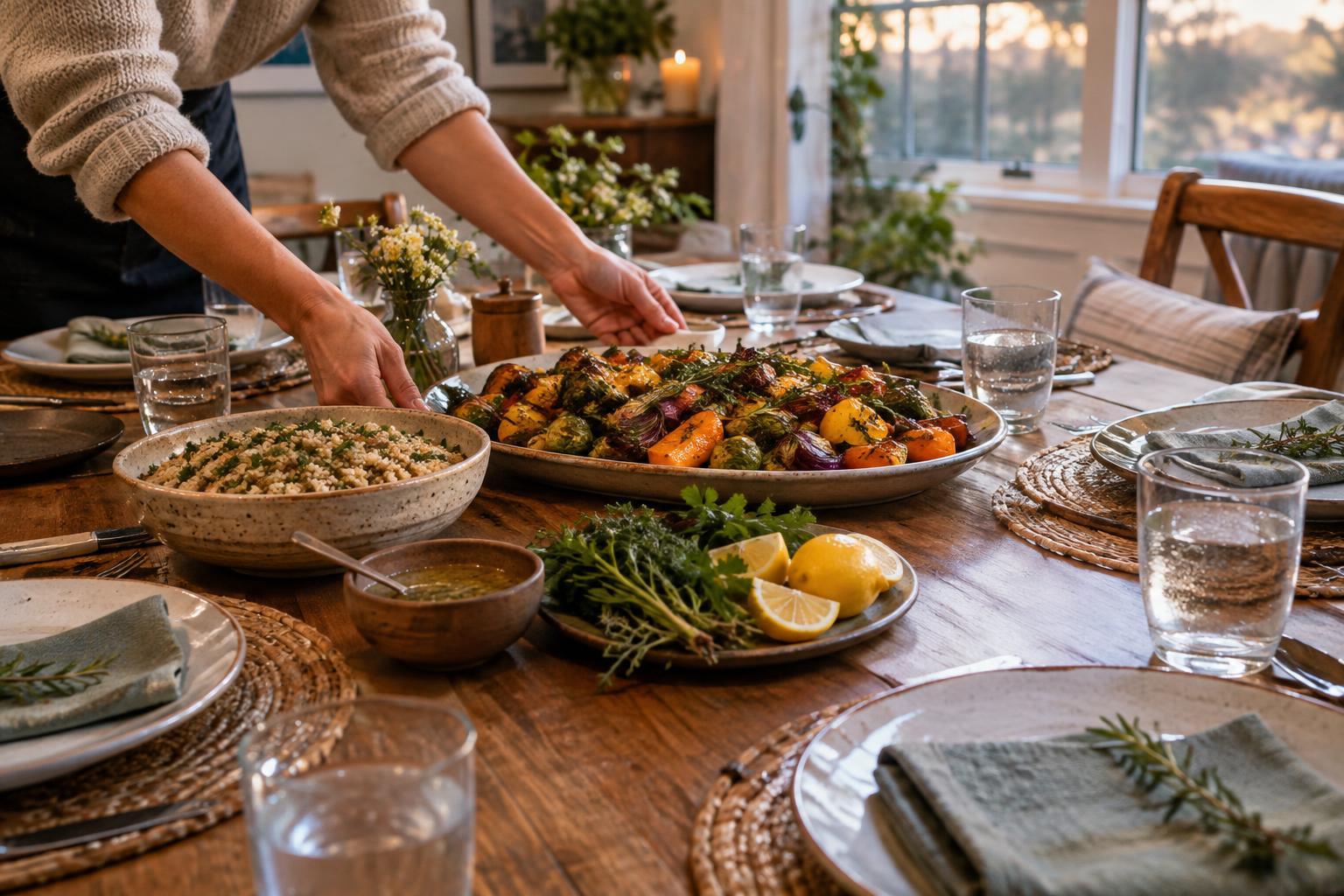
You do not need a separate meal for every guest. Look for a menu with shared elements and a few choices that can be assembled at the table. A grain or potato dish, vegetables, a main dish and sauces served separately may give guests more control than a single casserole containing every ingredient. This approach works best when the components still feel like a complete dinner, not a collection of substitutes.
Consider what can be prepared the same way for everyone. If one guest does not eat meat, a substantial vegetable or bean dish can be part of the main spread rather than a small side plate reserved for that person. If a sauce contains an ingredient someone avoids, serving it in a bowl lets others add it without changing the base dish. These decisions simplify service and help guests choose without announcing why.
A manageable menu is more hospitable than an ambitious one that keeps you away from the table. Before adding another option, check whether you can prepare it calmly, keep it at an appropriate serving temperature and fit it alongside the rest of the meal. A good plan gives you time to welcome people as well as feed them.
Be clear about ingredients without turning dinner into an interview
When food reaches the table, identify dishes in ordinary language: “That’s the roasted squash with yogurt on the side,” or “The salad has nuts in the dressing.” A brief description helps everyone navigate the meal and can be offered to the whole table. If a guest has asked a specific question in advance, let them know directly how you prepared their portion instead of relying on them to guess.
If a guest has a serious allergy or needs to avoid cross-contact, an ordinary home kitchen may not be able to meet their needs. Discuss the preparation plan with them beforehand, be honest about shared equipment and ingredients, and do not promise a dish is safe if you cannot be sure. The guest may prefer to bring something or make another arrangement; welcoming that choice is better than offering reassurance you cannot verify.
This is also a reason to keep packaging or ingredient notes available while cooking, especially when using prepared sauces, spice blends or other mixed products. You need not recite an ingredient list over dinner, but you should be able to answer a reasonable question accurately. If you are unsure, say so.
Handle surprises with discretion
Even a careful host may learn about a preference after guests arrive. Pause and see what you can offer from the food already prepared. A simple plate assembled from suitable components can feel more considerate than a hurried attempt to reinvent the entire menu. If nothing works, explain the limitation quietly and ask what the guest would be comfortable with rather than guessing.
Keep the social focus on the guest, not the accommodation. You can offer a different dish without announcing that someone is eating differently or apologizing repeatedly. Once everyone has food they can enjoy, move on with the meal. Hospitality is not about producing a flawless menu; it is about making room for people to tell you what they need and responding with care.