Before the doors open
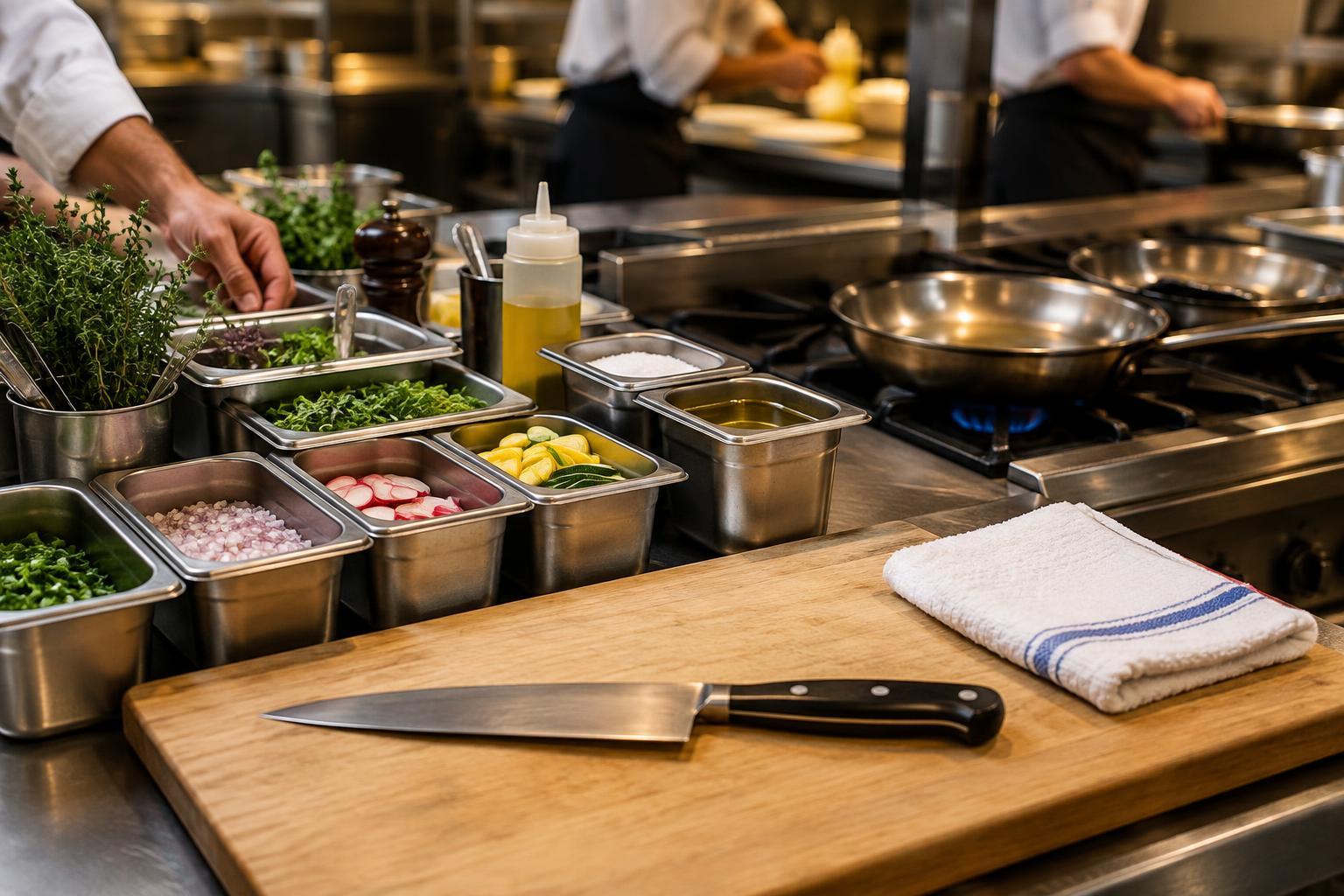
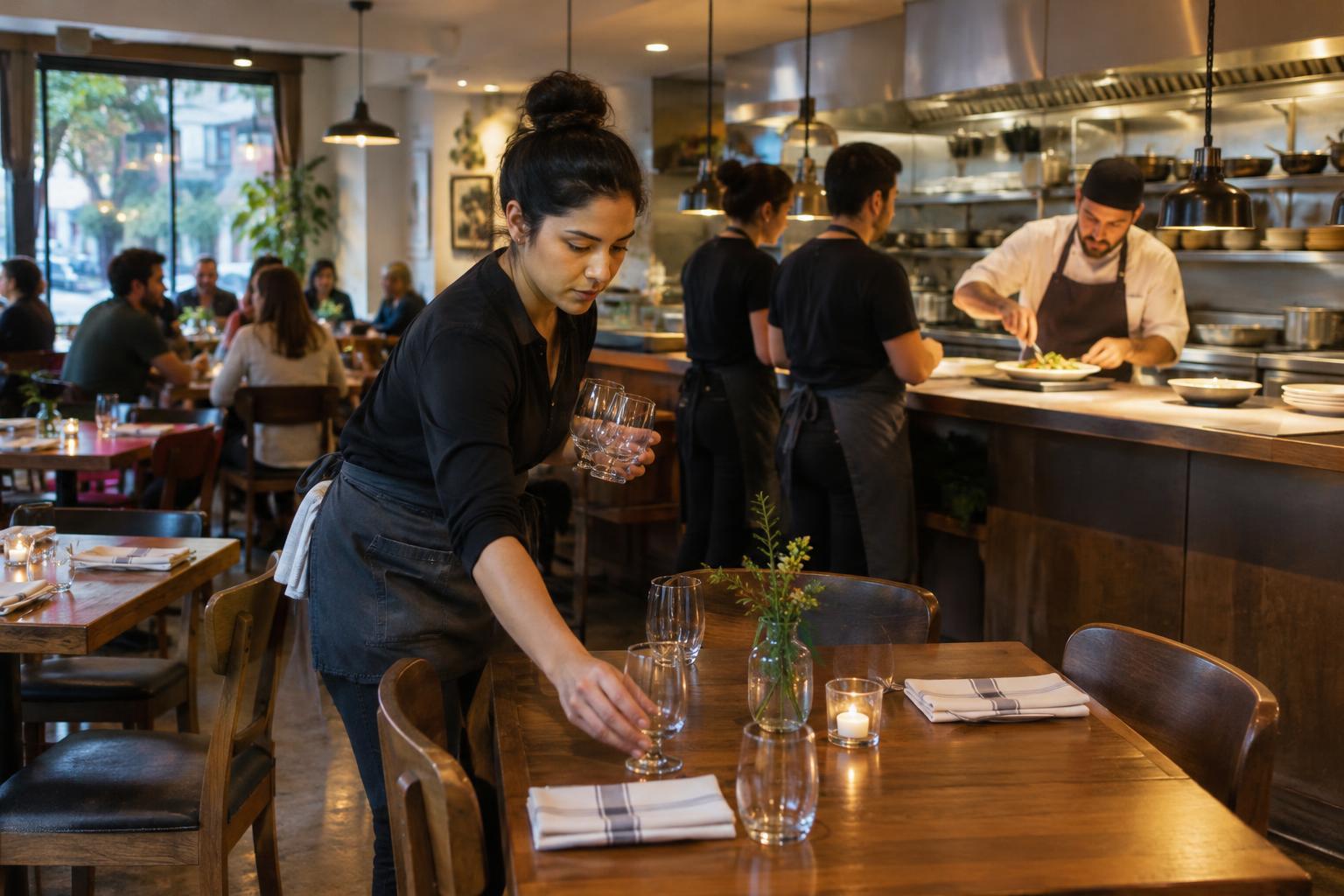
For guests, a restaurant visit begins at the door. For the team, it usually begins hours earlier. Cooks check ingredients, prepare components that will be used repeatedly and set up their stations so tools and supplies are within reach. In the dining room, staff clean and arrange tables, check menus, restock service areas and make sure the entrance is ready to welcome people.
Opening work is also a chance to catch small problems before they affect a guest. A missing ingredient may call for a menu adjustment; a wobbly table needs attention before anyone sits down. The exact routine varies with the size and style of the restaurant, but the aim is much the same: turn a collection of tasks into a room and kitchen that are ready to work together.
The briefing connects the teams
Many restaurants gather staff for a short briefing before service. This is where a manager or team lead can review the expected flow of guests, explain menu changes and identify dishes that may run out. Servers may ask how an unfamiliar dish is prepared, while the kitchen can flag details that matter when taking an order, such as a garnish or a component that cannot easily be changed.
A briefing does not eliminate surprises. It gives people a shared starting point. When front-of-house staff understand what the kitchen is prepared to make, they can describe the menu more clearly. When the kitchen knows about a large party or a planned change in pacing, it can organize its work accordingly. Good communication at this stage is less about delivering a perfect script than about making it easy to pass along useful information later.
Guests arrive and orders begin to move
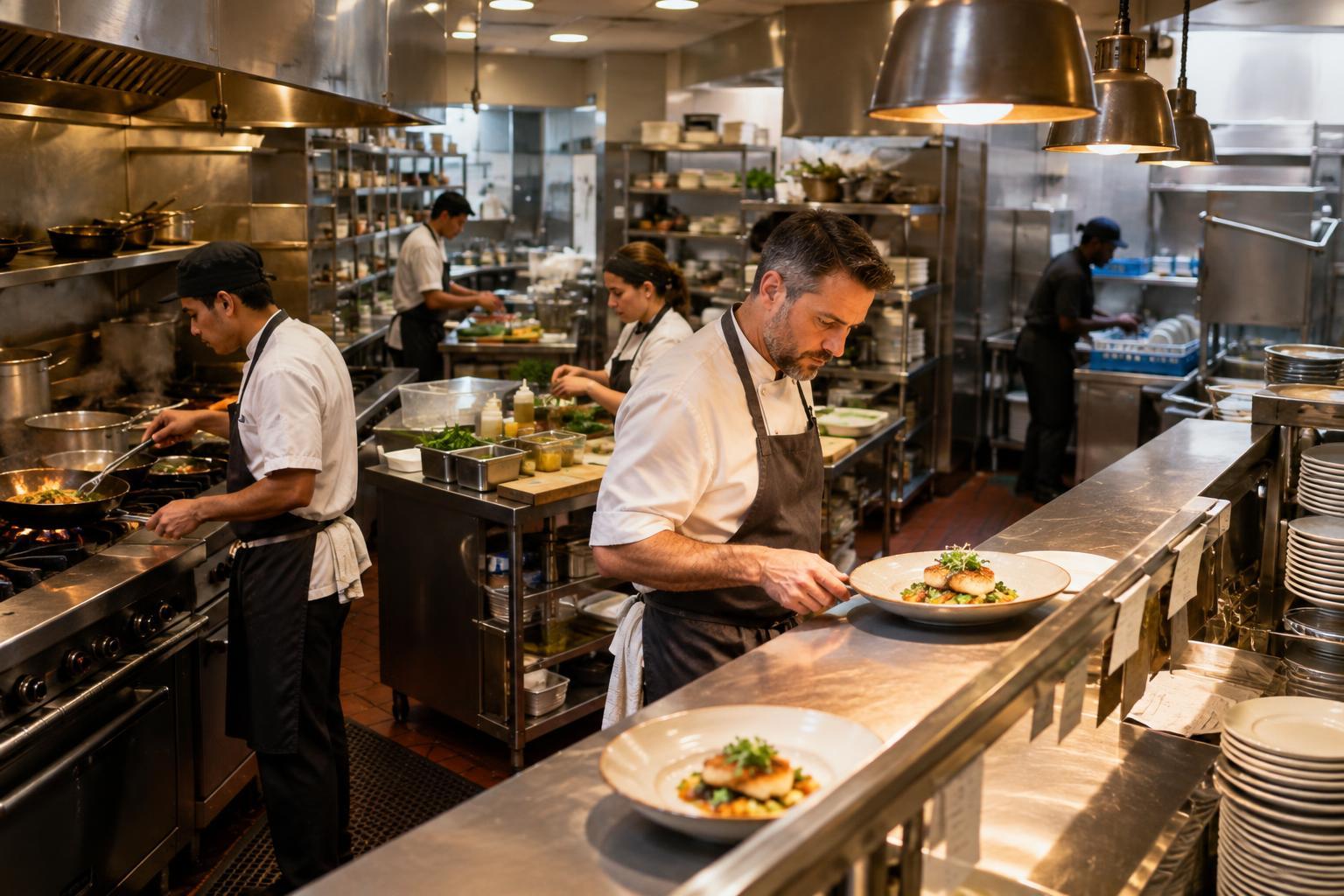
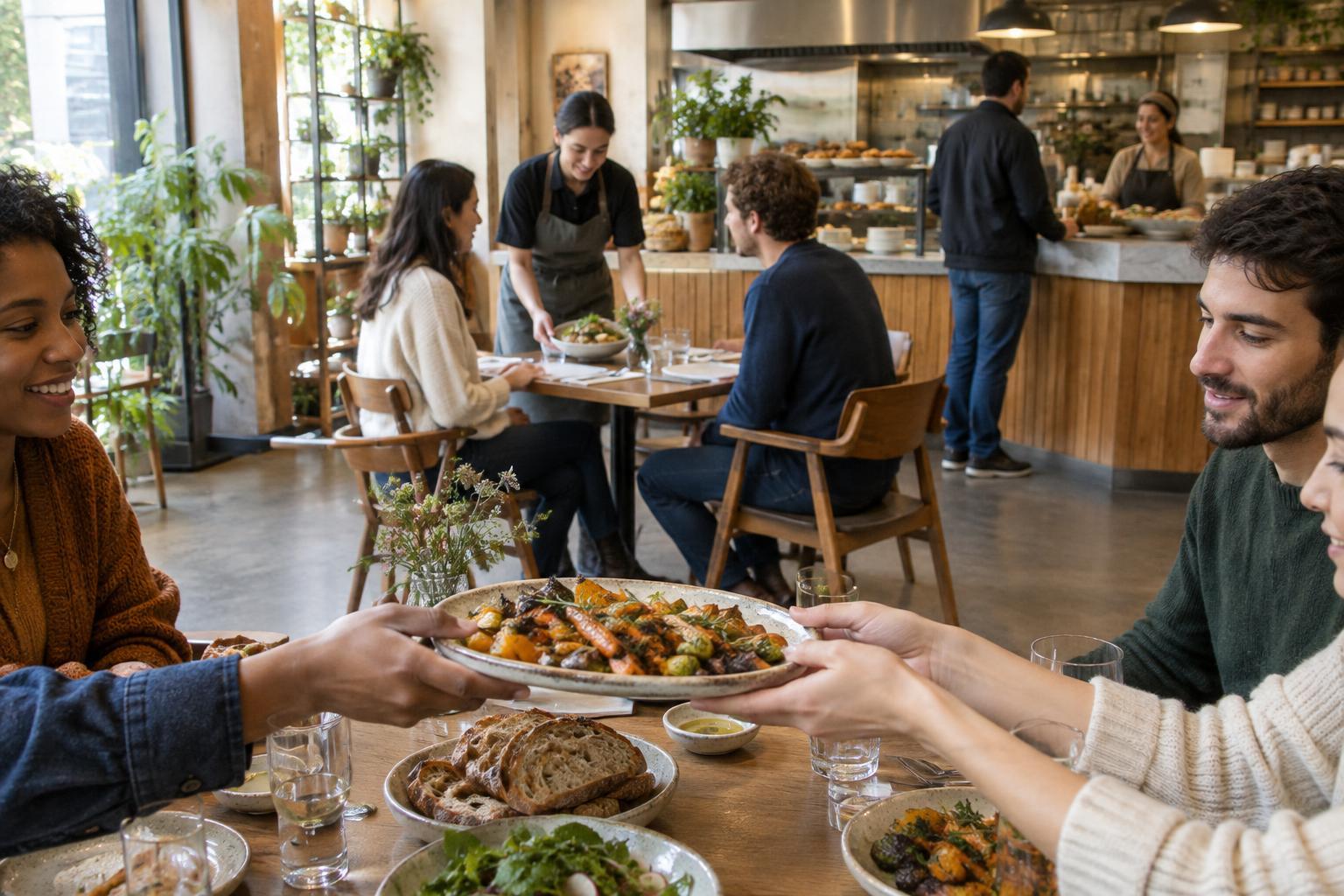
Once the doors open, service becomes a series of overlapping timelines. One table is reading menus, another is waiting for drinks, and a third is ready for its main course. Hosts manage arrivals and seating; servers take orders and check on guests; kitchen staff prepare dishes as orders come in. Support roles, where a restaurant has them, may clear tables, carry food, wash dishes or replenish supplies.
An order needs more than a list of dishes. The team may need to know which course should come first, whether guests are sharing plates and whether a requested change is possible. Clear details help the kitchen prepare the intended meal and help the dining room deliver it to the right table. The flow is rarely perfectly even: several tables might order at once, while another lingers over a conversation. Staff adjust their pace without expecting every guest to dine on the same schedule.
The busy stretch is a coordination test
During the busiest part of service, timing becomes especially visible. A finished dish should not sit unnecessarily, but a table may not be ready for its next course. Servers watch the room, cooks track incoming orders, and the person coordinating completed dishes checks that each plate is ready to go where it belongs. Used plates and glasses must also make their way out of the dining room so tables remain comfortable.
Problems are part of this work. A dish may need to be remade, a guest may have a question that requires checking with the kitchen, or a table may take longer than expected. The useful response is to communicate the change promptly and keep the next steps clear. A calm service is not necessarily one without delays; it is one in which the team notices what has changed and works through it together.
Closing is preparation for another day
The last guest leaving does not mark the end of the shift. Staff clear and clean the dining room, organize menus and service supplies, and check that tables and chairs are ready to be set again. In the kitchen, cooks put away usable ingredients appropriately, clean equipment and work areas, and note what needs to be prepared or ordered for the next service. Dishwashing and rubbish removal are essential parts of the same reset.
Some teams also make time for a brief handover: what sold out, which setup worked well and what needs attention next time. These notes turn the day’s experience into practical preparation. From the outside, restaurant service can look like a meal moving smoothly from order to table. Behind it is a repeated cycle of planning, communicating, adapting and resetting—work that makes hospitality feel effortless without being effortless at all.