Start with the part of the fruit you need
Winter citrus brings more than one kind of flavor to the kitchen. Juice supplies acidity, zest carries fragrant oils, and segments offer both sweetness and texture. Even the pale pith has a role, though its bitterness usually makes it something to trim away rather than add freely. Thinking about these parts separately makes it easier to use citrus with purpose instead of simply squeezing it over a finished dish.
Choose fruit that feels heavy for its size and has skin free of soft spots. Before zesting, wash and dry it. Remove only the colored outer layer with a fine grater or peeler; a light touch leaves most of the bitter white pith behind. Zest a fruit before cutting or juicing it, then add the zest near the end of cooking when you want its aroma to stand out. If you need both juice and segments, cut the segments first and squeeze the remaining membranes into a bowl.
Build savory dishes around contrast
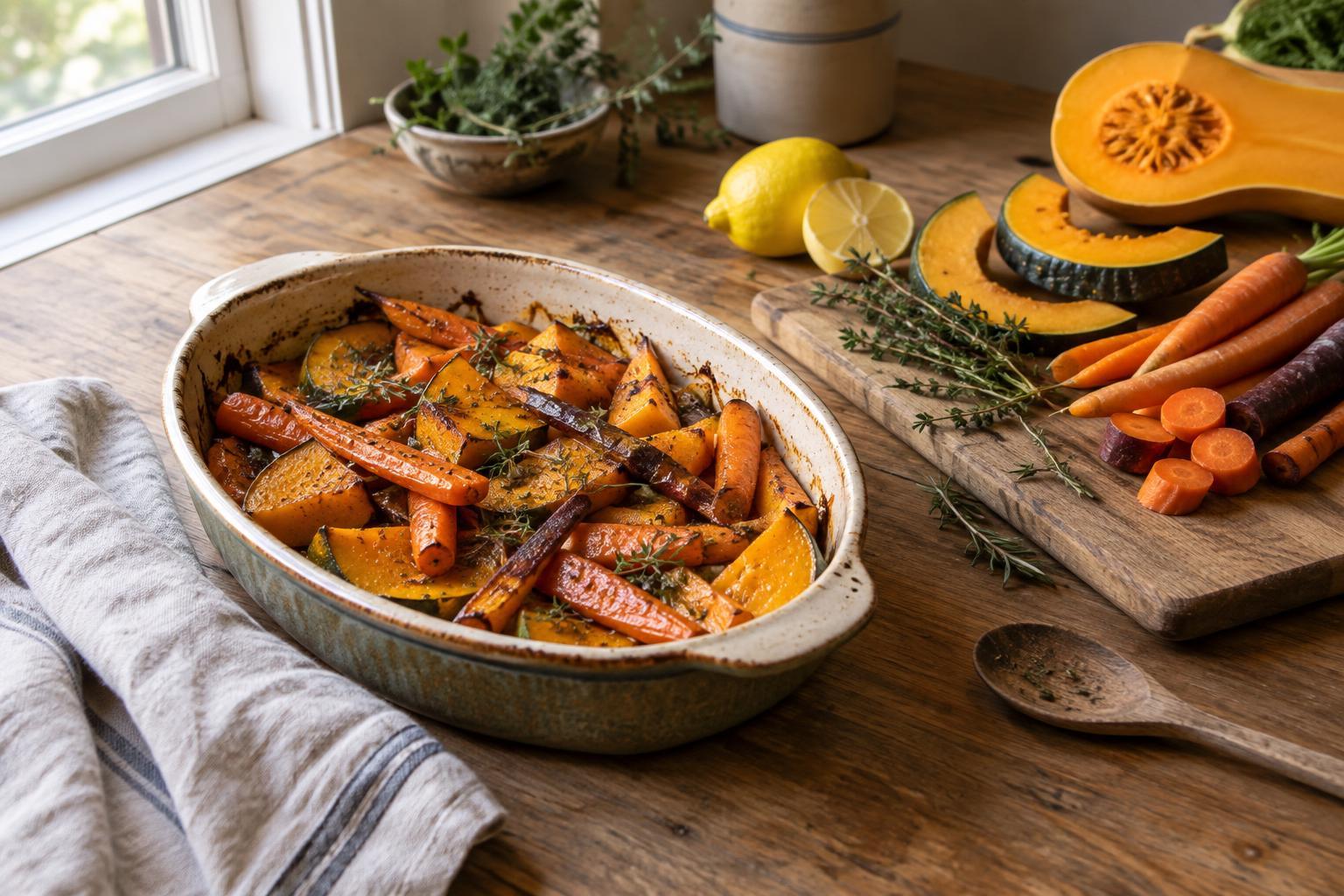
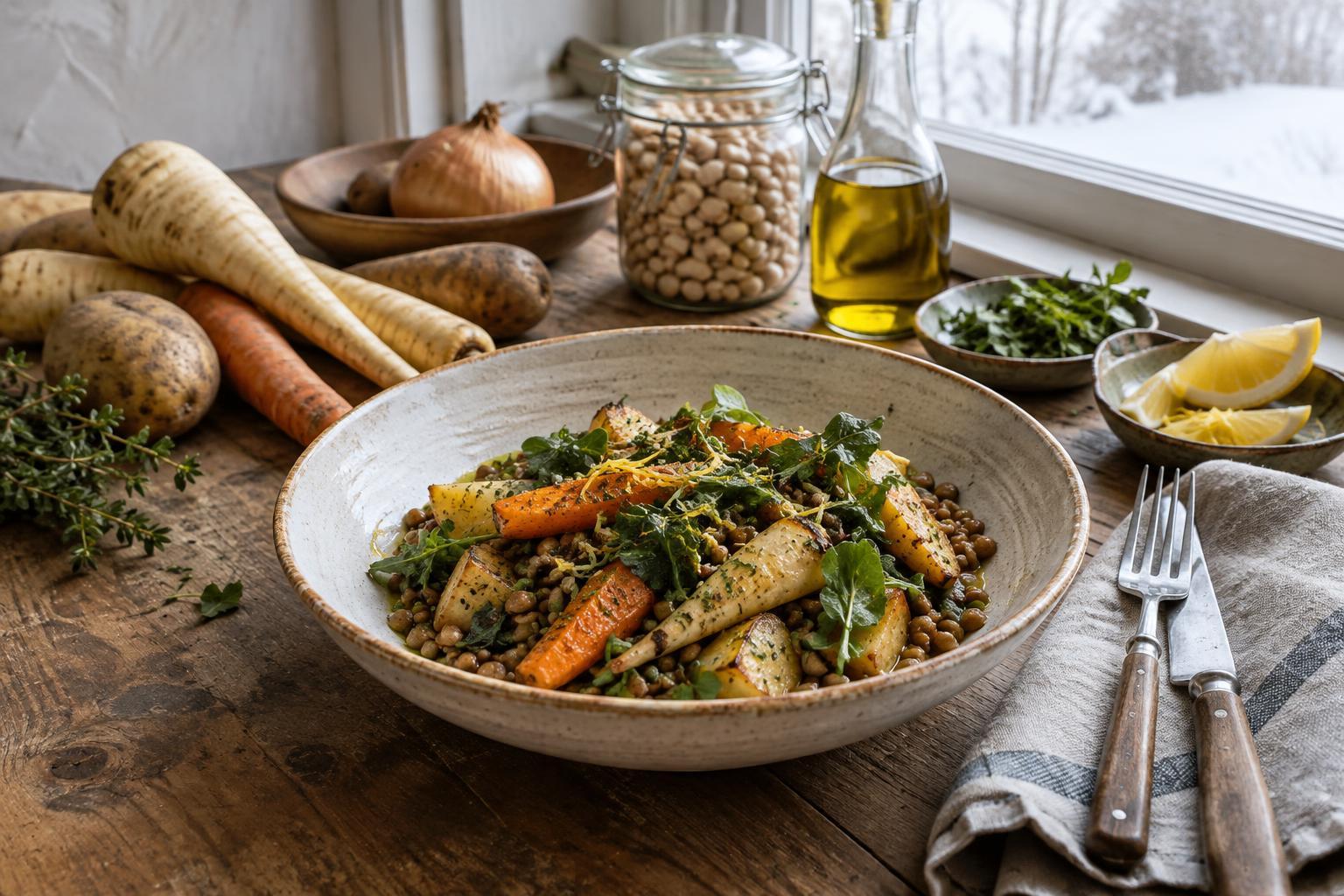
Citrus works especially well beside the deeper flavors common in winter cooking: roasted roots, browned poultry, rich fish, beans and sturdy greens. An orange segment adds a juicy break to a salad of bitter leaves and toasted nuts. A spoonful of lemon juice can lift lentils dressed with olive oil, while finely grated zest gives roasted carrots a bright finish without adding more liquid.
For a flexible dressing, begin with citrus juice, olive oil and a small pinch of salt. Taste it with the food it will dress, not only from a spoon. Sweet oranges may need another acidic element, such as a little vinegar; sharp lemons may need more oil or a touch of honey. Grapefruit brings a pleasant bitter edge but can dominate delicate ingredients, so add its juice gradually. Herbs, mustard or finely chopped shallot can help connect the citrus to the rest of the plate.
Use heat carefully
Heat can soften citrus’s sharpness, but long cooking may quiet the fresh aroma that made you choose it. For roasted vegetables, try adding citrus slices to the pan toward the end so they warm and lightly caramelize without drying out. Juice can also loosen the browned bits in a roasting pan and form the base of a quick sauce. Taste before reducing it further: as liquid evaporates, sour or bitter notes can become more pronounced.
A useful approach is to divide the fruit between cooking and finishing. Roast chicken or cauliflower with a few citrus slices, then add fresh juice or zest just before serving. This gives the dish a rounded cooked flavor and a brighter top note. When adding juice to a creamy sauce, lower the heat and stir in a little at a time; a large splash into a hot dairy mixture may cause it to separate.
Let desserts show different sides of citrus
In desserts, citrus can be the main flavor or a counterpoint to something rich. Segments make a simple finish for yogurt, custard or a slice of cake. Zest perfumes shortbread or a cake batter without thinning it. Juice is better suited to glazes, syrups and fillings where its liquid and acidity are part of the recipe’s balance. If you substitute one citrus fruit for another in baking, taste first and be prepared for a different level of sweetness or tartness.
For an easy plated dessert, arrange peeled orange or grapefruit segments with a spoonful of thick yogurt and a scattering of chopped nuts. A little honey can round out tart fruit, while a pinch of salt makes the flavors clearer. To use peel in a syrup, cut it thinly and remove excess pith. Briefly simmering the peel in water and draining it before adding it to the syrup can soften its bitterness, although the result will still depend on the fruit.
Make one batch serve several meals
A little preparation helps a bag of citrus find its way into more than one dish. Zest a few fruits before juicing them, then keep the zest covered in the refrigerator for near-term use or freeze it in small portions. Store freshly squeezed juice in a covered container and use it promptly for the best flavor. Keep cut segments chilled until serving, especially if they are destined for a salad or dessert.
Rather than forcing citrus into every course, use it where the meal needs contrast. A rich main dish may welcome a sharp salad, while a simple dinner might end well with fruit and yogurt. Start with a small addition, taste, and add more if needed. That habit preserves the character of the other ingredients while making the most of winter citrus’s range.