Buying for the calendar instead of the ingredient
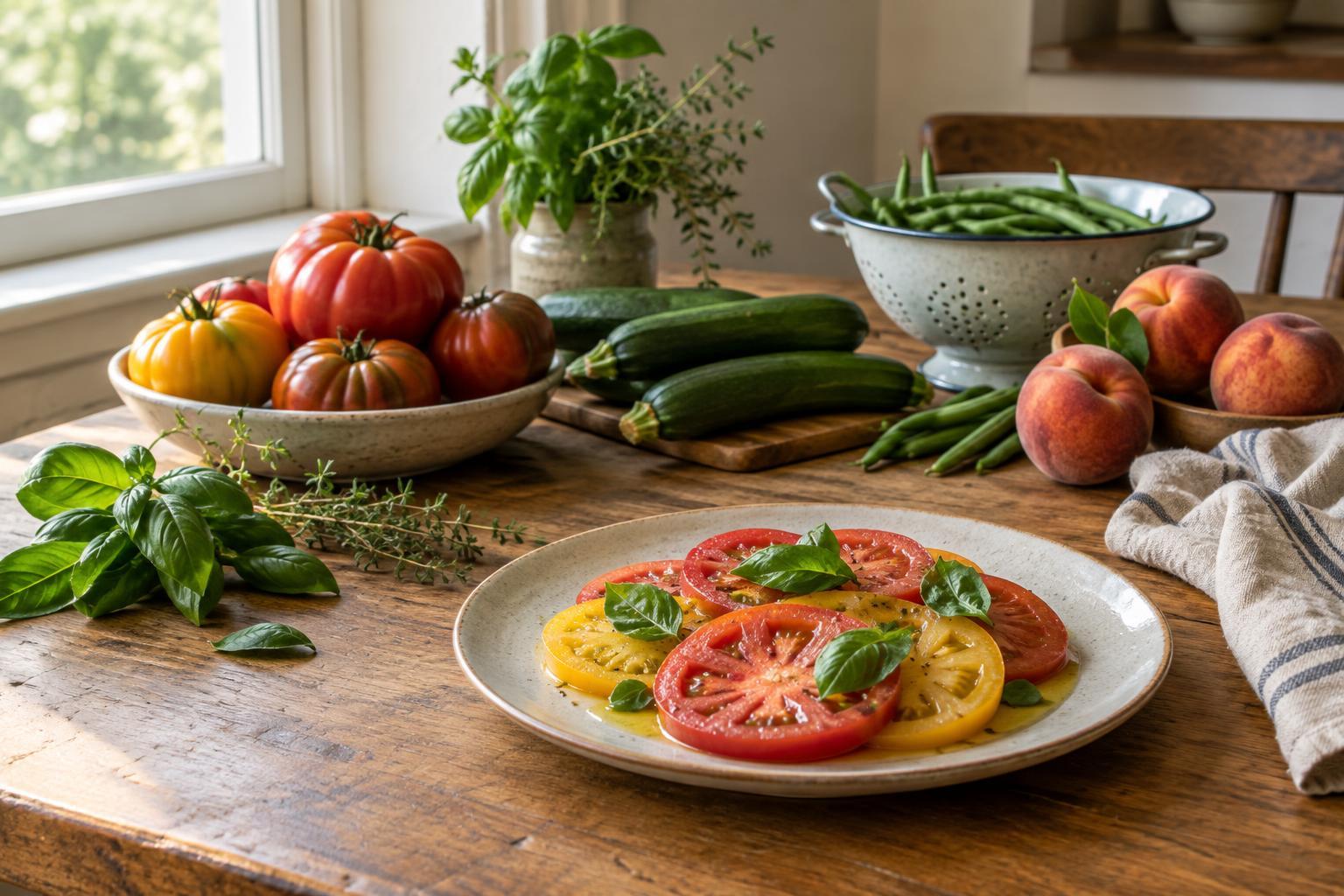
A recipe may announce tomato season before the tomatoes near you have much flavor. Harvests vary with climate, weather and growing conditions, so a month on the calendar is a starting point, not a guarantee. Buying the first familiar fruit or vegetable you see can leave you paying for the idea of a season rather than enjoying its best qualities.
Shop with a flexible dish in mind. If the tomatoes smell faint and feel firm, perhaps the sweet peppers or tender greens look more promising. Ask a produce seller what is tasting good, when that is possible, and buy a small amount to try before planning a large meal around it. Seasonal cooking gets easier when the ingredient helps decide the menu.
Buying more than you can use well
A generous basket can be tempting when produce looks abundant. But delicate berries, herbs and leafy greens may lose their appeal before you reach them. Even sturdy vegetables need a plan if several kinds arrive in your kitchen at once. Waste is not the only cost: the last of a large purchase may make for a less enjoyable meal than the first.
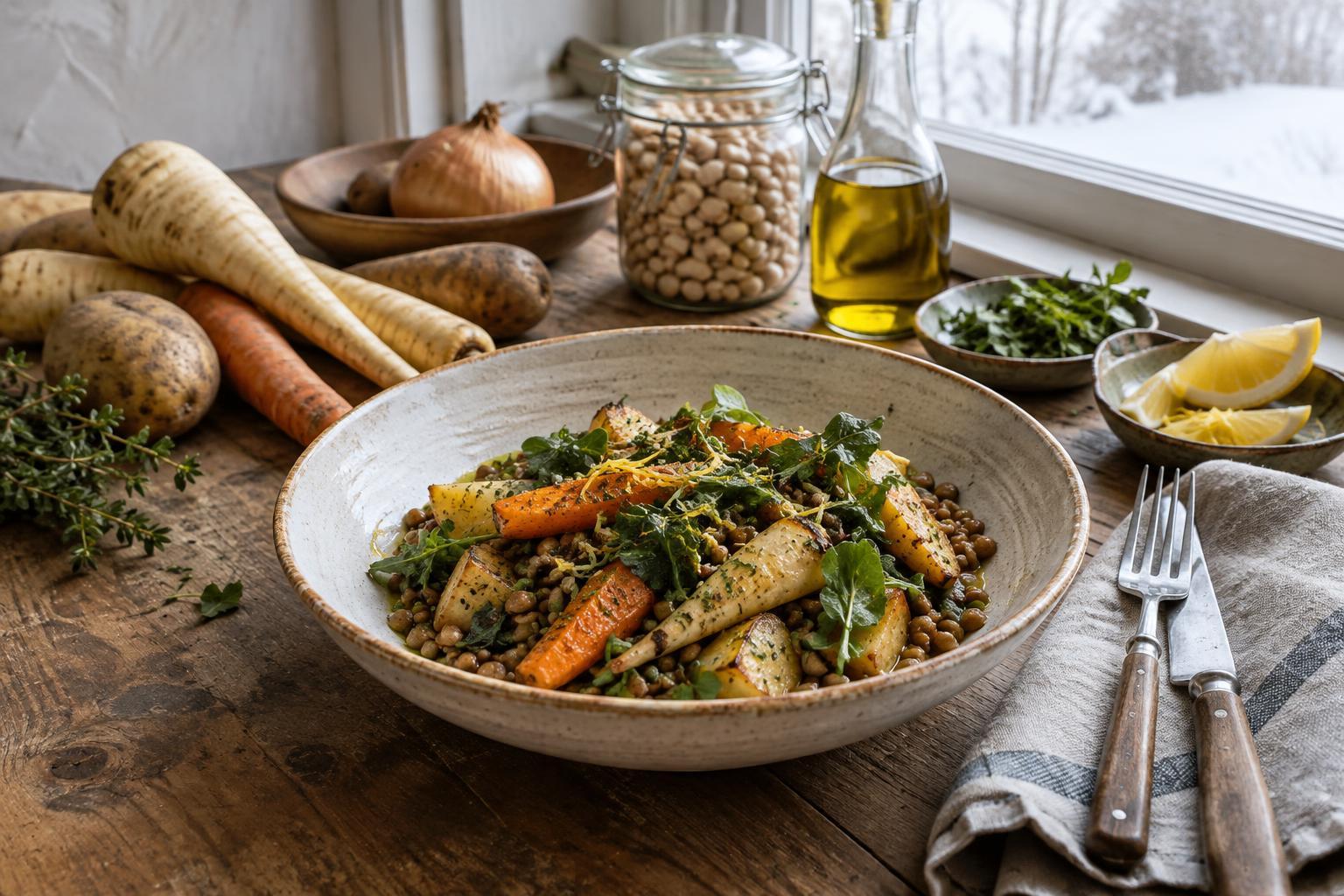
Before shopping, think through the next few meals and which ingredients need attention first. Use fragile produce early, then turn to items that keep longer. If you buy extra, choose a realistic second use: herbs can become a sauce, ripe fruit can be cooked into a simple compote, and leftover roasted vegetables can fill a sandwich or grain bowl. A modest, well-used purchase often serves the season better than an ambitious one.
Storing everything the same way
Seasonal produce does not share one set of storage needs. Tender greens may wilt when left exposed, while tomatoes that still need to ripen can lose some of their appeal if chilled too soon. Washing berries well before you need them can also leave them damp in the container. None of these choices ruins every ingredient, but storage can quietly change the texture you hoped to celebrate.
Make a quick plan when you unpack: which items should ripen, which should be refrigerated, and which should be eaten soon? Keep greens contained and dry enough to avoid excess moisture, and wash delicate fruit shortly before serving. Check on produce rather than forgetting it in a drawer. A brief look each day lets you adjust dinner to what is ready now.
Giving every ingredient the same treatment
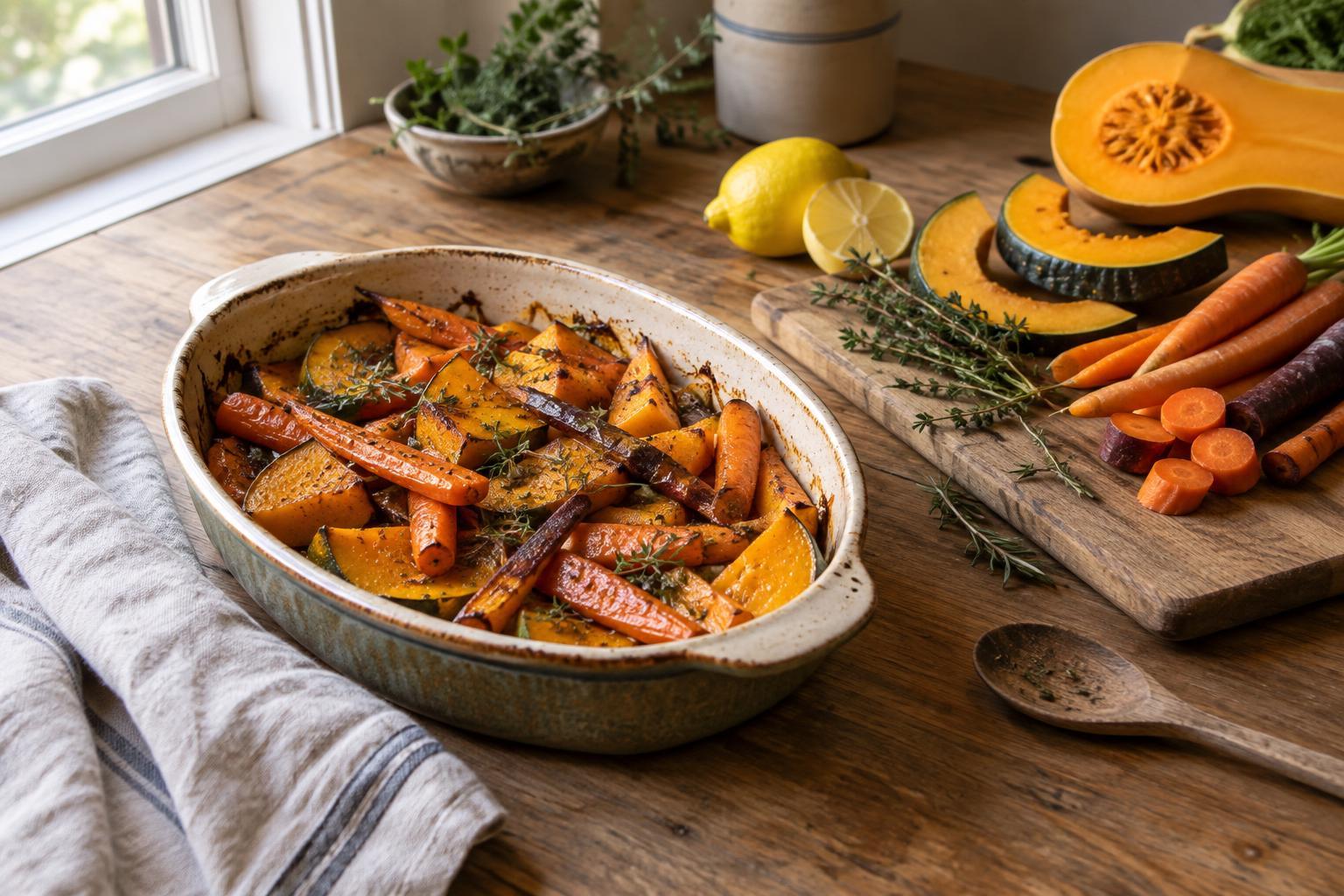
A cooking method that flatters one harvest may flatten another. Long roasting can deepen the flavor of dense squash, yet turn slender spring vegetables limp. A firm peach may benefit from gentle cooking; a fully ripe one may be better cut and served as it is. The mistake is not using heat, but deciding on a method before noticing the ingredient’s texture and flavor.
Taste a small piece first when it is pleasant to eat raw. Then ask what the dish needs: softness, browning, warmth or simply a little seasoning. Cook tender vegetables briefly and check them as you go. Give dense vegetables time to become tender before increasing heat for color. Small adjustments preserve the contrast between crisp, juicy and silky textures that makes a seasonal meal interesting.
Overpowering peak produce
When an ingredient is especially sweet, fragrant or fresh, too many competing flavors can cover the reason you chose it. Heavy dressings may bury tender greens; generous spice blends can make ripe fruit or vegetables taste much the same as they do at any other time. Restraint does not mean serving everything plain. It means giving each addition a job.
Start with a simple preparation and taste before adding more. Salt can sharpen flavor, acidity can bring balance, and a little fat can add richness. Choose one strong accent—perhaps a pungent cheese, a sharp dressing or toasted spice—rather than several at once. If the produce is less expressive than you hoped, a bolder sauce or slower cooking may help. The aim is not to follow a rule about simplicity, but to make the best use of what is actually on your cutting board.