Seasonal is a planning approach, not a fixed list
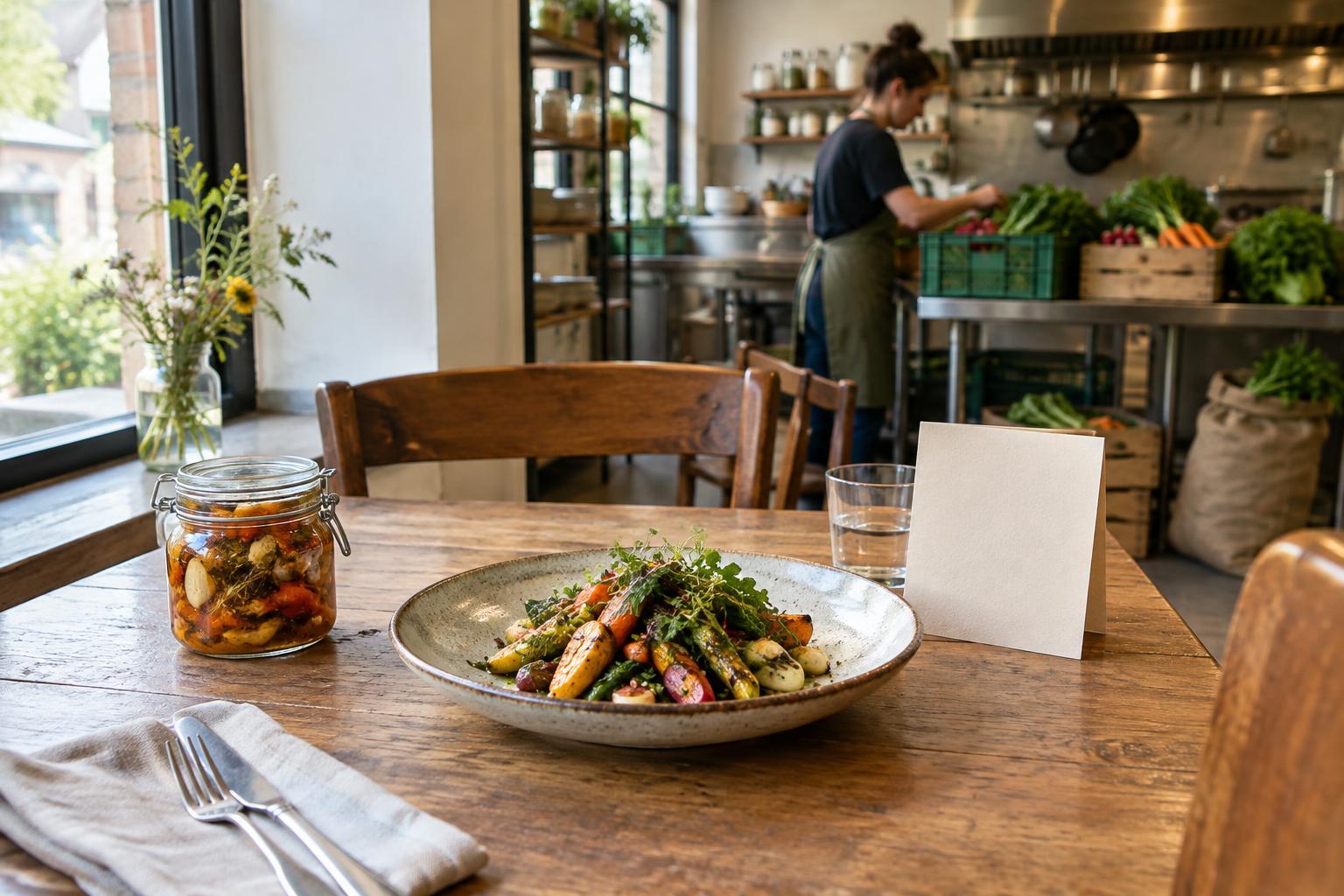
For a restaurant, seasonal sourcing means paying attention to when ingredients are at their best and building some purchasing and menu decisions around that window. It does not necessarily mean that every item comes from a nearby farm or that the menu changes every day. A restaurant might keep dependable staples year-round while letting vegetables, fruit, herbs or seafood influence its specials and garnishes.
The word “seasonal” also depends on place. Weather, growing conditions, storage methods and distribution all affect what is available. Even within one region, a crop may arrive earlier or later than expected. Restaurants that cook this way need a plan flexible enough to respond to what suppliers can actually deliver, rather than relying on a calendar alone.
Buying starts with conversations and backup plans
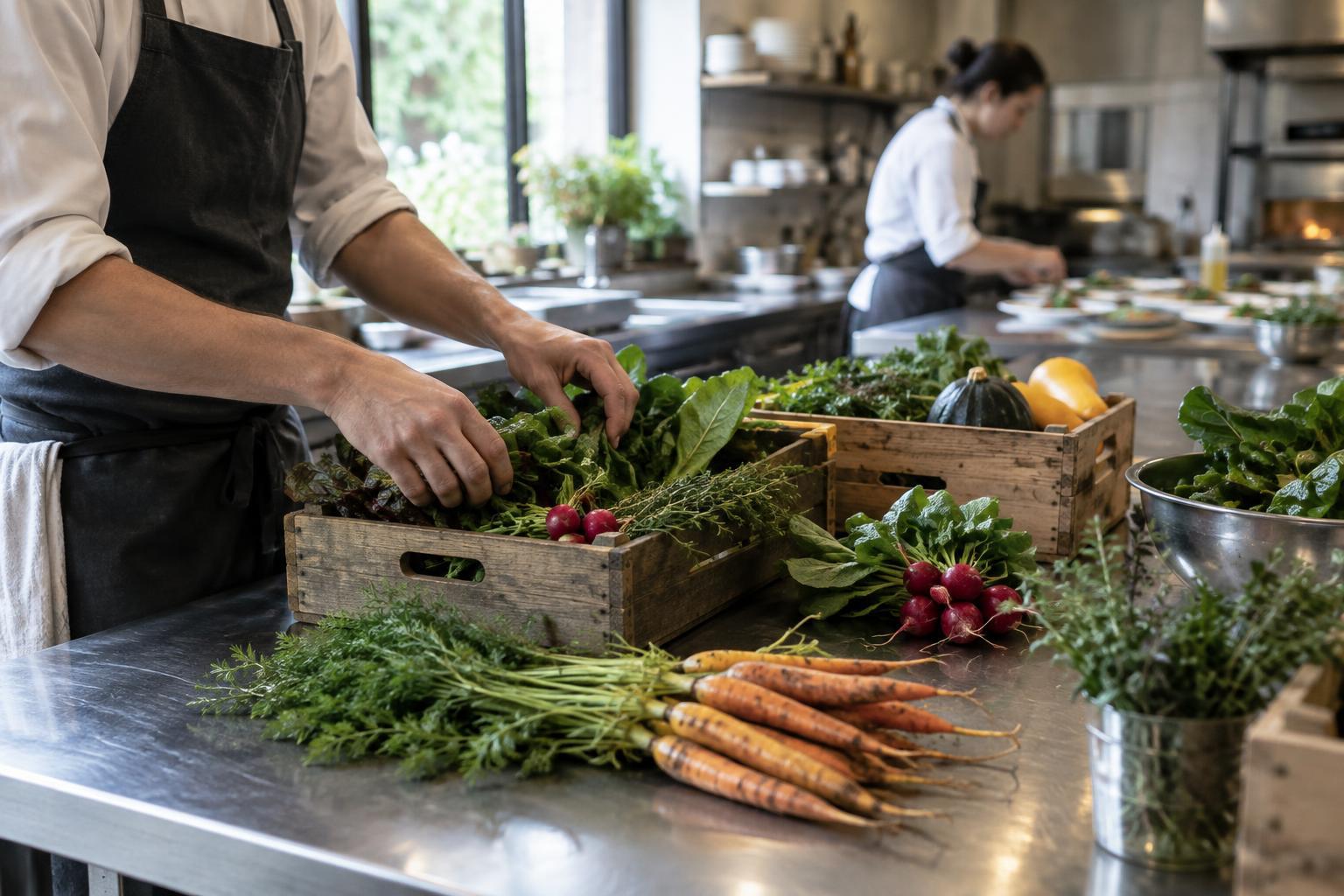
Seasonal purchasing works best when a kitchen asks specific questions before committing to a dish: How much is likely to be available? In what condition will it arrive? How often can it be delivered? Will the size, ripeness or variety change? The answers matter because a restaurant needs enough food for service, not just an appealing idea for a plate.
A chef may design a dish around a broad ingredient category instead of one exact variety. A salad could use whichever tender greens meet the kitchen’s standards that week; a roasted vegetable side could change as different roots become available. This flexibility still requires judgment. A substitute has to work with the dish’s cooking time, texture, flavor and price. If it does not, the better choice may be to pause the dish rather than force an unsuitable replacement.
Relationships with suppliers can make these decisions easier, but they do not remove uncertainty. A harvest can be smaller than anticipated, or an ingredient may arrive in a condition that is wrong for its planned use. Keeping an alternative dish or preparation in mind helps the kitchen avoid promising more than it can reliably serve.
The menu must make room for change
A seasonal menu needs both stable structure and adjustable details. Some restaurants change entire dishes as ingredients come and go. Others retain a familiar format—a soup, a grain dish or a plate of vegetables—and change its components. Either approach can work if the kitchen understands which parts of the dish are essential and which can move.
Menu wording is part of that structure. Naming a specific ingredient creates an expectation that it will be on the plate. If a component changes frequently, a broader description may be more honest and easier for staff to explain. Daily specials offer another way to feature a short-lived ingredient without repeatedly revising the main menu. Whatever the format, servers need to know about changes before guests order, especially when a substitution affects an ingredient someone is avoiding.
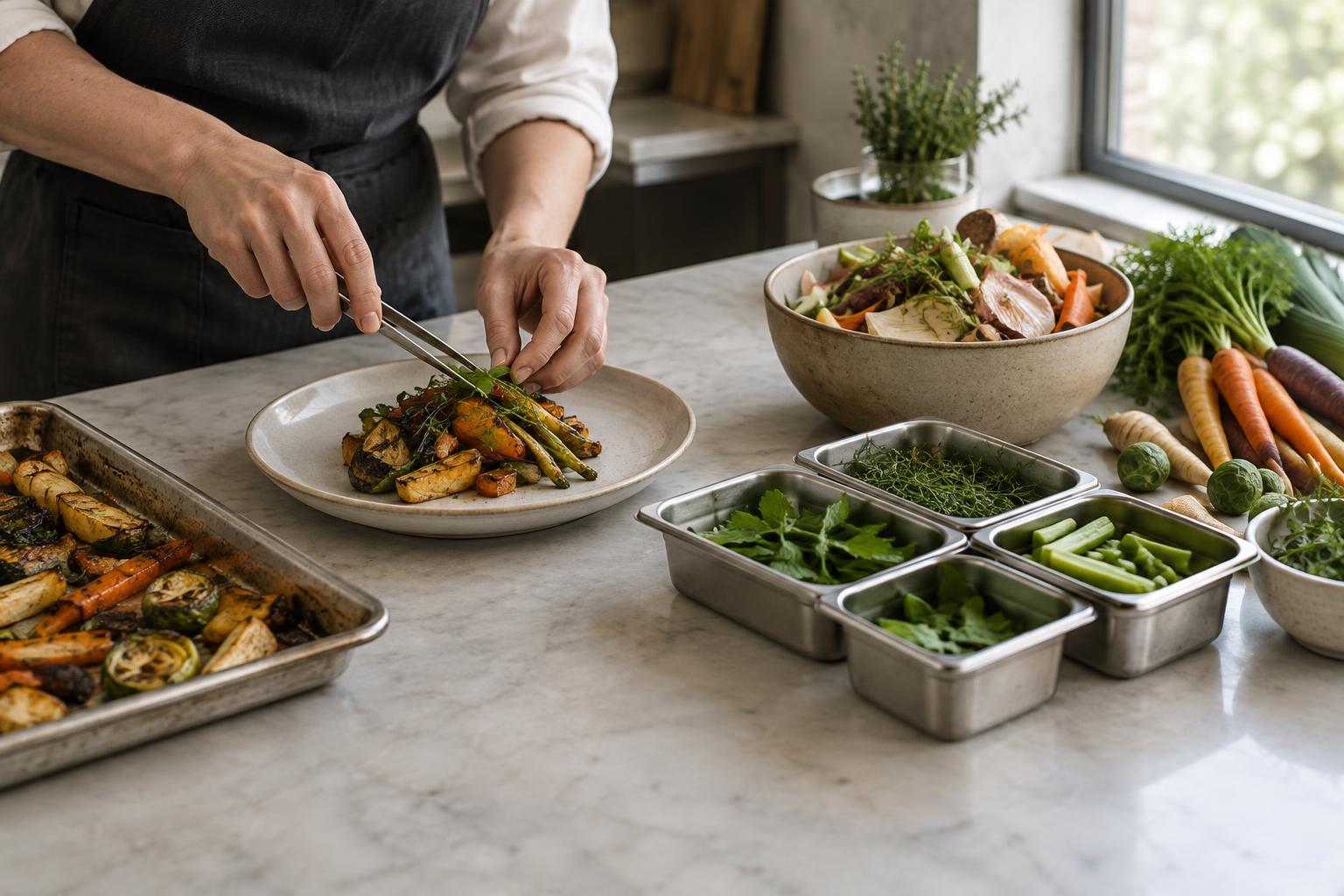
Seasonality does not automatically make a dish less expensive or more sustainable. Costs also depend on labor, yield, delivery and how much of an ingredient the kitchen can use. A menu that makes use of stems, leaves or differently sized produce, when suitable, may give cooks more options. The worthwhile choice is one the restaurant can prepare consistently without compromising the guest’s experience.
The kitchen has to adapt its routines
Changing ingredients can change the work behind a dish. Tender spring vegetables may need little cooking, while dense winter vegetables may need longer preparation. Ripeness can affect how fruit is stored and when it should be served. Cooks may need to adjust prep lists, batch sizes and cooking methods even when the printed menu looks much the same.
Tasting is especially important when an ingredient varies. A tomato, for example, might need a different amount of seasoning from the one used the previous week. Recipes provide a starting point, but cooks must check whether the finished dish still has the balance intended. Clear notes between shifts help a team repeat a successful adjustment instead of rediscovering it during a busy service.
Guests should see the benefit, not the logistics
Seasonal sourcing is most meaningful to a guest when it produces a dish that tastes considered. A concise description of why an ingredient is on the menu can add context, but it should not ask diners to excuse inconsistency. If an item has changed, a straightforward explanation is more useful than a vague promise that everything is seasonal.
In practice, seasonal sourcing is a series of small decisions: what to buy, how to prepare it, when to change course and what to tell guests. Its strength lies in allowing a restaurant to cook with what is working well while maintaining the reliability people expect when they sit down to eat.